企业级搬迁服务商
零中断・强保障・成功案例可鉴
20年专注商务搬家,服务超过1000+家企业,见证每一次完美迁移
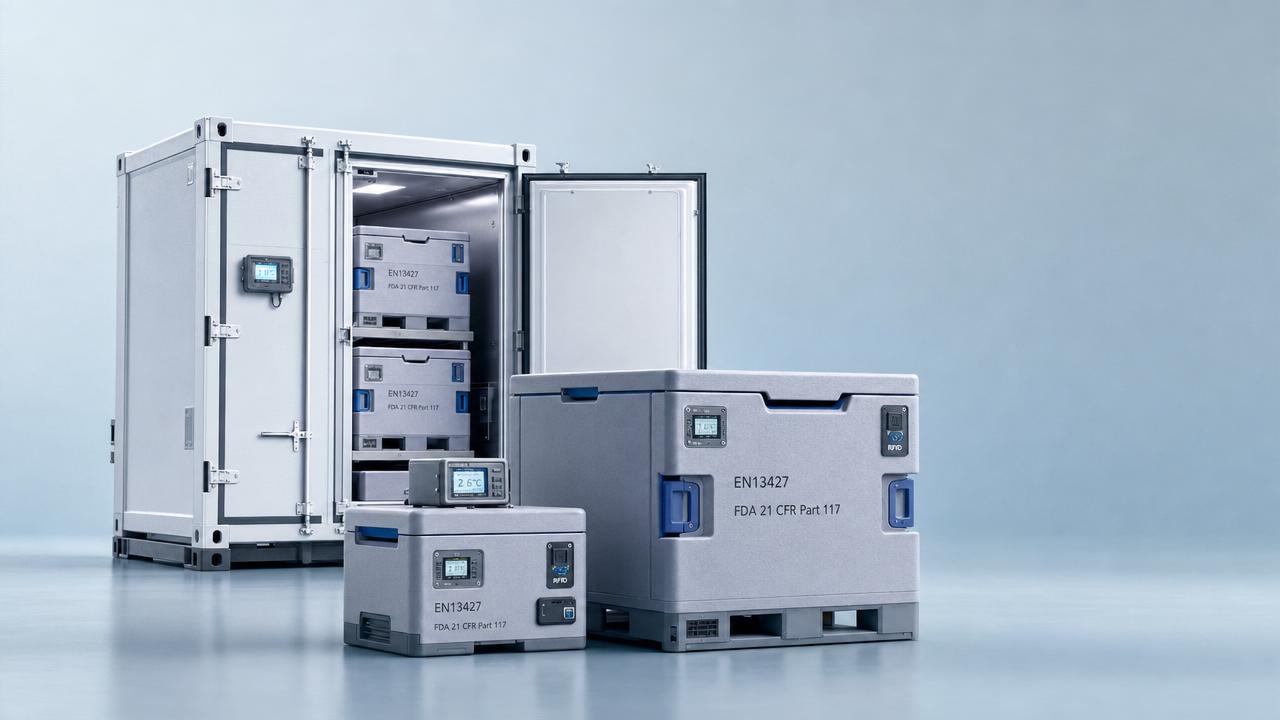
The 2026 Asia-Pacific Seafood Expo opened in Dalian on May 28, highlighting evolving regulatory and technical requirements for sustainable cold-chain logistics and traceable packaging—key drivers reshaping seafood export compliance across global markets.
Event Highlights and Confirmed Facts
From May 28 to 30, 2026, the Asia-Pacific Seafood Expo was held in Dalian. For the first time, the exhibition featured a dedicated ‘Green Cold Chain & Smart Packaging’ zone. This zone showcased traceability-enabled packaging solutions compliant with EU standard EN13427 and U.S. FDA regulation 21 CFR Part 117, as well as temperature-controlled containers designed specifically for low-temperature relocation. Over 200 Chinese high-end manufacturing and cold-chain service providers participated.
Impact Across Supply Chain Roles
Export-oriented trading enterprises
These companies face heightened scrutiny on end-to-end traceability and packaging integrity. Compliance with EN13427 and 21 CFR Part 117 is now a de facto prerequisite for market access in the EU and U.S., directly affecting customs clearance, labeling approvals, and shelf-life declarations.
Raw material procurement firms
Procurement strategies must now account for upstream packaging certifications and cold-chain handover protocols. Suppliers lacking documented adherence to temperature-controlled transport standards may no longer meet tender or audit requirements for export-bound batches.
Processing and manufacturing enterprises
Manufacturers must verify that their packaging partners provide full documentation—including migration testing reports and validation of cold-chain continuity—to satisfy FDA and EU regulatory expectations. Integration of traceability systems into production line controls is becoming operationally mandatory.
Supply chain service providers
Cold-chain logistics and packaging solution providers are under growing pressure to demonstrate certified infrastructure (e.g., validated reefer units, real-time monitoring logs) and alignment with internationally recognized standards—not just national certifications. Service contracts increasingly require third-party verification against EN13427 or FDA-mandated preventive controls.
Key Focus Areas and Operational Responses
Alignment with international packaging and food safety standards
Enterprises should initiate internal gap assessments against EN13427 (packaging recoverability and traceability) and 21 CFR Part 117 (current good manufacturing practice for human food). Documentation readiness—including supplier declarations, test reports, and process validation records—is critical ahead of audits or tenders.
Integration of temperature-controlled relocation capabilities
Logistics teams must evaluate current container fleets and partner networks for compatibility with low-temperature relocation requirements. Validated thermal performance data, sensor calibration certificates, and incident response protocols should be consolidated for compliance verification.
Supplier qualification and technical bid coordination
Procurement departments need to update vendor evaluation criteria to include demonstrable experience with EN13427-compliant packaging design and FDA-aligned preventive control implementation. Technical specifications in RFQs and RFPs should explicitly reference these standards.
Industry Perspective: Beyond Compliance Toward Systemic Readiness
Analysis shows this exhibition signals a structural shift—not merely toward stricter certification, but toward integrated supply chain accountability. Observably, traceability is no longer limited to batch-level scanning; it now extends to environmental conditions throughout transit. From an industry perspective, the emergence of standardized low-temperature relocation containers reflects rising expectations for verifiable cold-chain continuity—not just at loading/unloading points, but across multimodal legs. What deserves closer attention is the growing lead time required for qualifying new packaging suppliers or retrofitting existing cold-chain assets to meet these dual-regional benchmarks.
Strategic Significance for Market Participants
This event underscores that sustainability in seafood trade is increasingly defined by measurable, auditable, and interoperable technical standards—not abstract commitments. For manufacturers and logistics providers, early alignment with EN13427 and 21 CFR Part 117 is less about avoiding noncompliance penalties and more about securing eligibility for high-value tenders and premium market access. The exhibition serves as both a benchmark and a catalyst for operational upgrading.
Source Information and Ongoing Monitoring
This article was generated based solely on the provided title, event date (2026-05-28), and summary. Specific official source links were not provided in the input and should be verified continuously. Stakeholders are advised to monitor upcoming updates on enforcement guidance from EU national competent authorities and U.S. FDA regional offices, as well as forthcoming tender documents referencing EN13427 or 21 CFR Part 117 compliance requirements in public procurement frameworks.
 南京办公室搬迁后网络怎么快速恢复
 南京办公室搬家保险有必要买吗
 南京搬办公室需要买搬家保险吗?金融与科技类企业采购决策时如何评估风险覆盖必要性
 艺搬搬家南京能不能处理服务器搬迁中的断电风险
 南京搬家公司设备防护怎么判断是否达到精密仪器要求
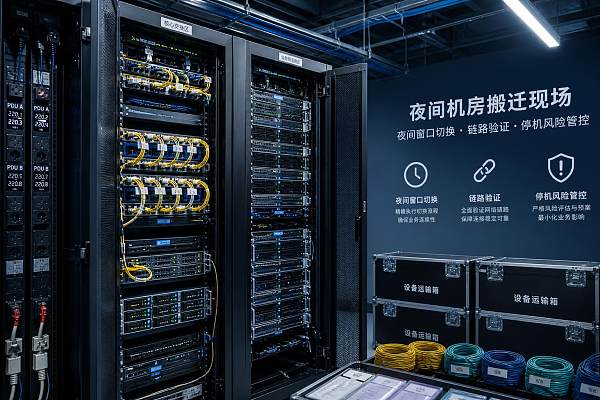
 南京机房搬迁服务怎么选?看懂停机风险与实施能力
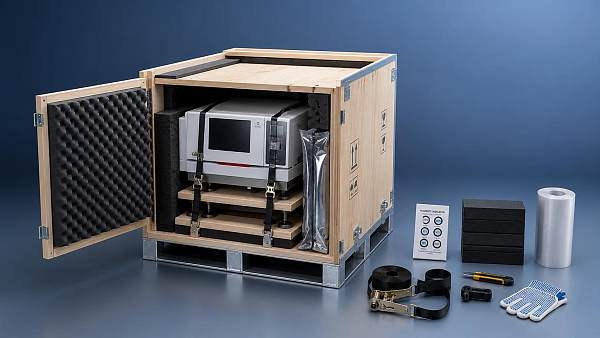
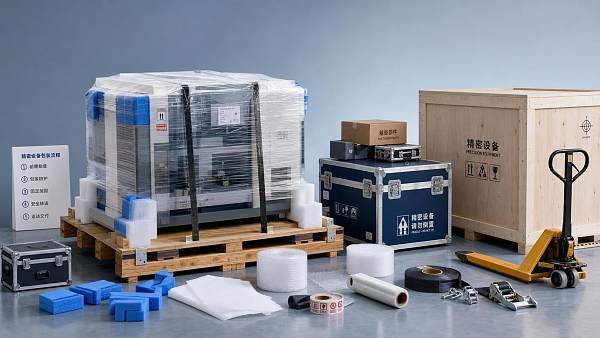
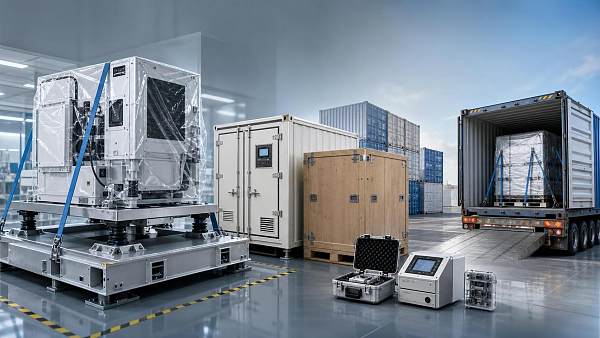
 精密设备搬迁如何避免损坏?关键环节与防护要求解析
 南京机房搬迁为何多选夜间窗口,停机风险怎么控
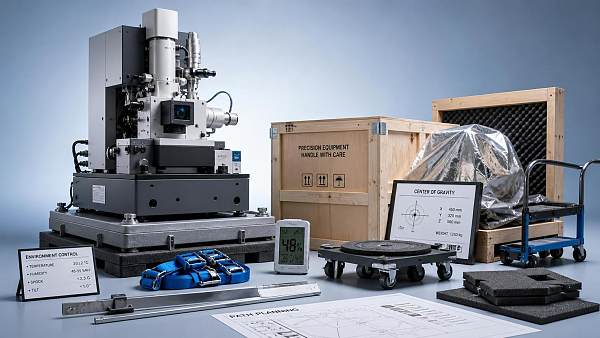
 精密仪器搬运看哪些参数,减震方案不是唯一标准
![]() 南京实验室搬迁全流程解析 | 艺搬商务搬家精密设备零误差迁移方案
南京实验室搬迁全流程解析 | 艺搬商务搬家精密设备零误差迁移方案 南京机房搬家怎么降风险:断电切换与数据备份顺序
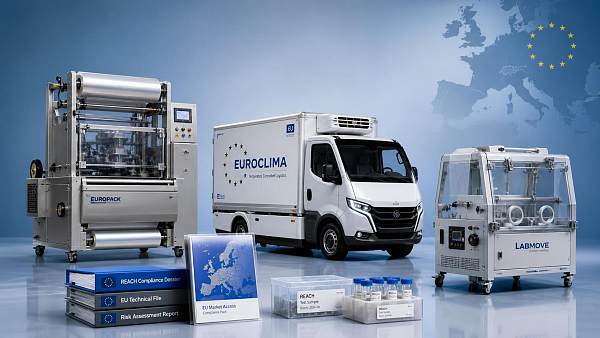
 欧盟REACH新规8月起要求商务搬迁设备申报含物质
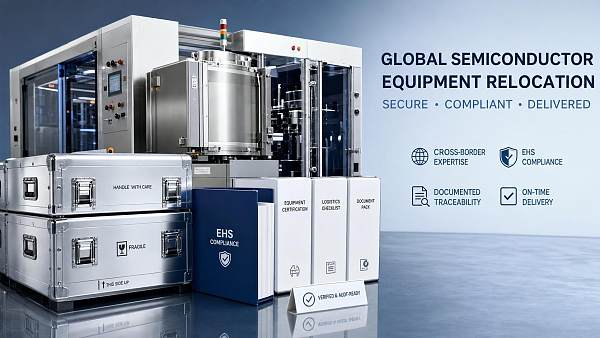
 半导体设备搬迁订单Q2增67%,中国服务商占比升至38%
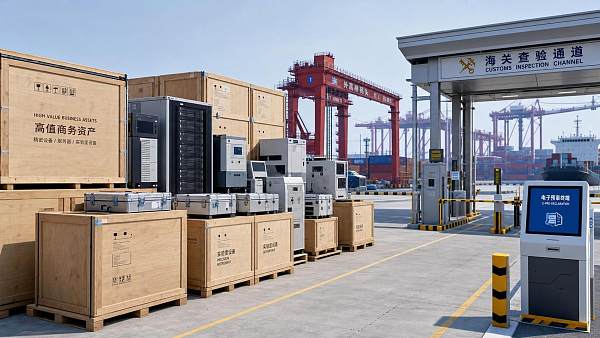
 外高桥港试点高值商务资产绿色通道
 半导体设备搬迁订单增长折射合规服务竞争
 半导体设备搬迁升温,中国服务出口额Q2增67%
 高端制造搬迁升温:Q2中国订单同比增53%,半导体设备占比突出
 Q2中国半导体设备搬迁订单同比增53%
 东南亚办公设备搬迁保险门槛上调
 UL 62841-2-52更新提高IT设备搬迁振动测试阈值
 远东北欧航线调整配载规则,商务设备交付稳定性受关注
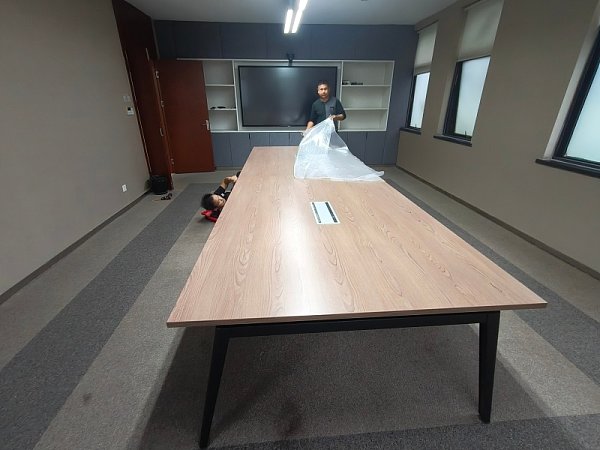
 南京传媒公司办公室搬迁案例_艺搬商务一站式企业搬迁服务
 南京家居公司整体搬迁案例_艺搬商务助力加多多家居零中断乔迁
 南京半导体公司整体搬迁案例_南京芯惠半导体搬迁服务_艺搬商务搬家
 南京传媒公司办公室搬迁案例_南京维仁传媒搬迁全程服务_艺搬商务搬家
 南京珠宝艺术品搬迁案例_龙音珠宝全程无损搬迁_艺搬商务搬家
 南京智能设备公司搬迁案例|佛山市道恩智能设备办公室搬迁服务
 南京律所办公室搬迁案例|律师事务所办公搬迁服务
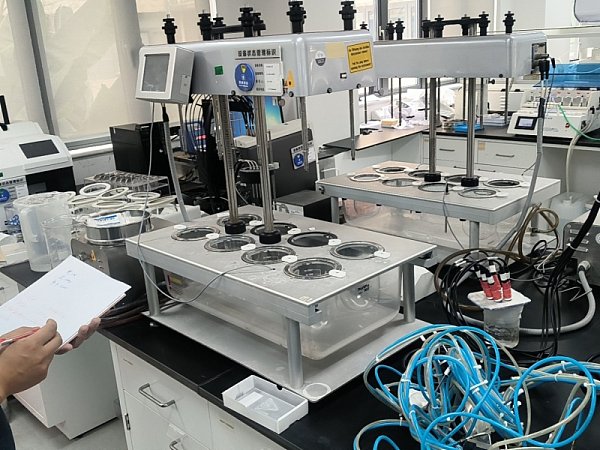
 南京艺搬商务圆满完成江苏省农垦产业技术研究院实验室搬迁项目
 南京国企办公室搬迁案例|江苏凤凰资产办公搬迁服务









留言
如果您对我们的产品感兴趣,并想了解更多细节,请在这里留言,我们将尽快回复您。
请给我们留言
联系我们
南京市雨花区花神庙10号
免费热线:400-880-5202
电子邮件:move@njyiban.com
商务合作:biz@njyiban.com
单位搬迁专属报价单
专注写字楼/产业园整体搬迁 · 一站式智能报价