企业级搬迁服务商
零中断・强保障・成功案例可鉴
20年专注商务搬家,服务超过1000+家企业,见证每一次完美迁移





On 26 May 2026, the APEC Trade Ministers’ Meeting in Suzhou adopted the Trade Digitalization Cooperation Framework, establishing mutual recognition for six categories of digital trade documents among participating economies — significantly accelerating cross-border customs clearance and reducing paper-based compliance costs.
Framework Adoption and Initial Scope
The Trade Digitalization Cooperation Framework was formally endorsed on 26 May 2026 during the APEC Trade Ministers’ Meeting held in Suzhou. It introduces a binding mutual recognition mechanism for six digitally issued trade documents: electronic certificates of origin, cross-border electronic bills of lading, digital inspection reports, electronic import/export declarations, digital sanitary/phytosanitary (SPS) certificates, and electronic customs release authorizations. The initiative initially applies to 12 APEC member economies, including China, Japan, South Korea, Vietnam, and Mexico.
Impact Across Supply Chain Roles
Direct exporting and importing enterprises
These entities benefit immediately from faster customs processing and reduced documentation delays. The mutual recognition eliminates redundant verification steps previously required when submitting paper-based or non-interoperable digital documents across borders — particularly affecting shipment release timing and inventory turnover cycles.
Raw material procurement firms
Procurement teams must now ensure supplier documentation — especially origin and conformity statements — is issued in formats compliant with the recognized digital standards. This affects sourcing decisions, vendor onboarding timelines, and audit readiness for upstream traceability.
Manufacturing and assembly companies
For manufacturers engaged in export-oriented production, alignment with digital certification workflows becomes essential at the product-level documentation stage. Internal quality management systems may require integration with certified digital document platforms to support real-time issuance of digital inspection reports and origin attestations.
Supply chain service providers
Freight forwarders, customs brokers, and logistics technology vendors face both opportunity and adaptation pressure. Demand is rising for interoperable platforms capable of generating, validating, and transmitting mutually recognized digital documents — prompting upgrades to EDI, API, and blockchain-enabled infrastructure.
Key Operational Considerations for Enterprises
Alignment with recognized digital document standards
Companies must verify whether their current digital documentation tools — including e-certification portals and ERP-integrated export modules — conform to the technical specifications and authentication protocols defined under the Framework. Non-compliant systems may require integration with accredited digital trust providers.
Validation of supplier-origin documentation
Importers should reassess due diligence procedures for supplier-issued origin and inspection data. Under mutual recognition, reliance shifts from physical stamps and third-party notarization to cryptographic signatures and issuer accreditation status — necessitating updated internal verification protocols.
Adjustment of customs clearance planning
With average clearance times expected to decrease, procurement and logistics teams should revise lead time buffers, just-in-time scheduling assumptions, and contingency plans tied to documentary delays — especially for time-sensitive goods such as perishables or high-value components.
Readiness for phased implementation
Although the Framework entered force on 26 May 2026, national implementation timelines and technical rollout schedules vary across the 12 participating economies. Enterprises should monitor official notifications from each economy’s customs authority regarding go-live dates, accepted file formats, and transitional arrangements.
Industry Perspective: Beyond Efficiency Gains
Analysis shows this Framework marks a structural shift — not merely an incremental digitization upgrade. What deserves closer attention is how mutual recognition reshapes compliance sovereignty: instead of harmonizing regulations, it enables interoperability *despite* regulatory divergence. From an industry perspective, this lowers entry barriers for SMEs engaging in regional trade but raises the bar for technical documentation maturity. Observably, the pace of adoption will depend less on policy intent and more on national digital infrastructure readiness — particularly in trusted identity management, cross-border PKI alignment, and audit-log transparency.
Strategic Implications for Trade Integration
This initiative represents a foundational step toward seamless digital trade within the APEC region. Its significance lies not only in immediate process efficiencies but also in setting precedent for multilateral acceptance of digitally verifiable trust — a prerequisite for future expansions into AI-assisted risk assessment, automated tariff classification, and dynamic compliance monitoring. However, its long-term impact remains contingent on consistent enforcement, transparent dispute resolution mechanisms, and inclusive capacity-building for smaller economies.
Source Attribution and Verification Notes
This article synthesizes the information provided: title, event date (26 May 2026), and event summary. Specific official source links were not provided in the input and should be verified continuously. Stakeholders are advised to monitor updates from APEC Secretariat publications, national customs administrations, and designated digital trade platform operators. Ongoing observation is warranted for detailed implementation guidelines, accreditation criteria for digital document issuers, and sector-specific annexes that may follow the initial Framework adoption.

 南京办公室搬迁后网络怎么快速恢复
 南京办公室搬家保险有必要买吗
 南京搬办公室需要买搬家保险吗?金融与科技类企业采购决策时如何评估风险覆盖必要性
 艺搬搬家南京能不能处理服务器搬迁中的断电风险
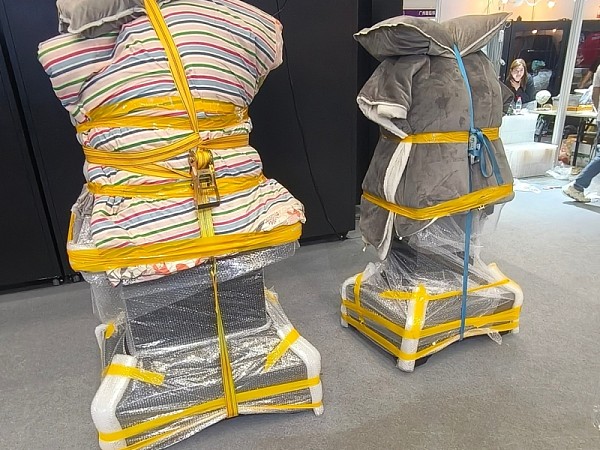
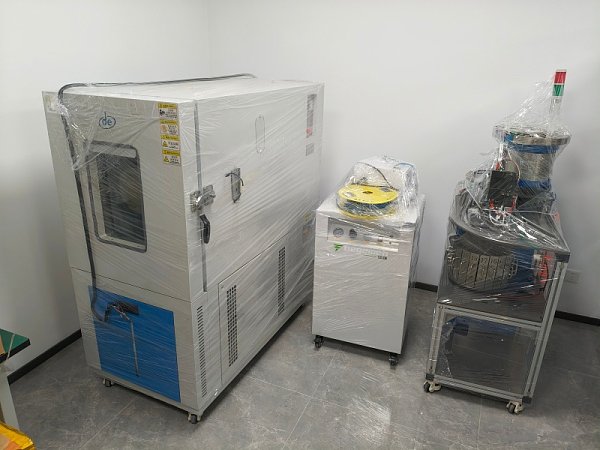
 南京搬家公司设备防护怎么判断是否达到精密仪器要求
 南京机房搬迁服务怎么选?看懂停机风险与实施能力
 精密设备搬迁如何避免损坏?关键环节与防护要求解析
 南京机房搬迁为何多选夜间窗口,停机风险怎么控
 精密仪器搬运看哪些参数,减震方案不是唯一标准
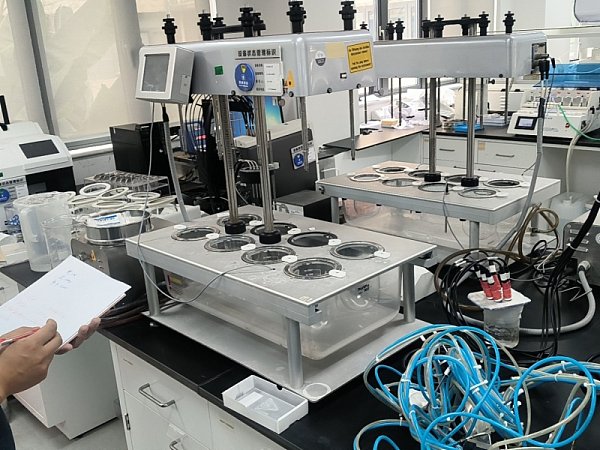
![]() 南京实验室搬迁全流程解析 | 艺搬商务搬家精密设备零误差迁移方案
南京实验室搬迁全流程解析 | 艺搬商务搬家精密设备零误差迁移方案 南京机房搬家怎么降风险:断电切换与数据备份顺序
 欧盟REACH新规8月起要求商务搬迁设备申报含物质
 半导体设备搬迁订单Q2增67%,中国服务商占比升至38%
 外高桥港试点高值商务资产绿色通道
 半导体设备搬迁订单增长折射合规服务竞争
 半导体设备搬迁升温,中国服务出口额Q2增67%
 高端制造搬迁升温:Q2中国订单同比增53%,半导体设备占比突出
 Q2中国半导体设备搬迁订单同比增53%
 东南亚办公设备搬迁保险门槛上调
 UL 62841-2-52更新提高IT设备搬迁振动测试阈值
 远东北欧航线调整配载规则,商务设备交付稳定性受关注
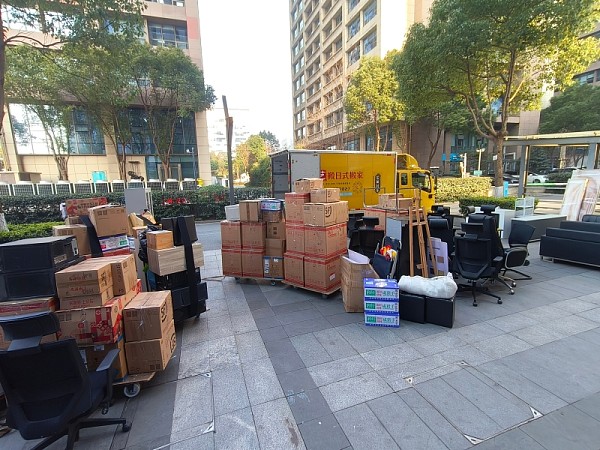
 南京传媒公司办公室搬迁案例_艺搬商务一站式企业搬迁服务
 南京家居公司整体搬迁案例_艺搬商务助力加多多家居零中断乔迁
 南京半导体公司整体搬迁案例_南京芯惠半导体搬迁服务_艺搬商务搬家
 南京传媒公司办公室搬迁案例_南京维仁传媒搬迁全程服务_艺搬商务搬家
 南京珠宝艺术品搬迁案例_龙音珠宝全程无损搬迁_艺搬商务搬家
 南京智能设备公司搬迁案例|佛山市道恩智能设备办公室搬迁服务
 南京律所办公室搬迁案例|律师事务所办公搬迁服务
 南京艺搬商务圆满完成江苏省农垦产业技术研究院实验室搬迁项目
 南京国企办公室搬迁案例|江苏凤凰资产办公搬迁服务

















留言
如果您对我们的产品感兴趣,并想了解更多细节,请在这里留言,我们将尽快回复您。
请给我们留言
联系我们
南京市雨花区花神庙10号
免费热线:400-880-5202
电子邮件:move@njyiban.com
商务合作:biz@njyiban.com
单位搬迁专属报价单
专注写字楼/产业园整体搬迁 · 一站式智能报价