企业级搬迁服务商
零中断・强保障・成功案例可鉴
20年专注商务搬家,服务超过1000+家企业,见证每一次完美迁移
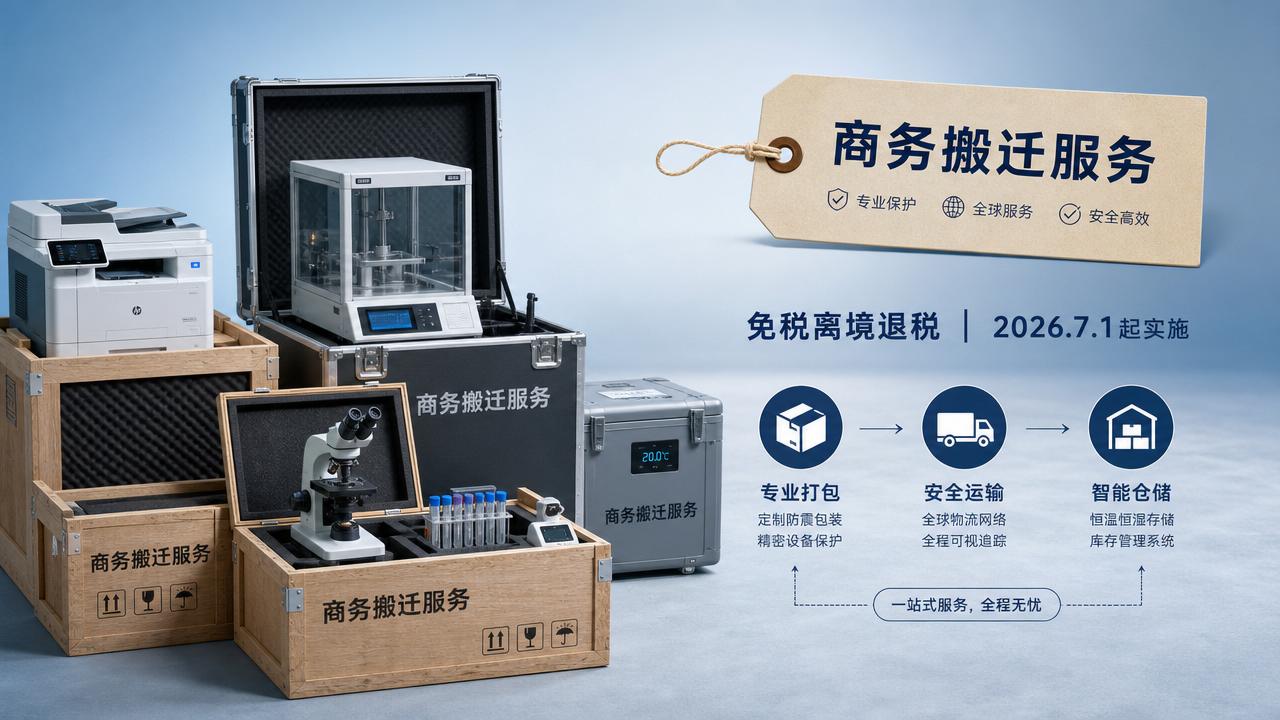
Effective 1 July 2026, China will extend its duty-free departure refund scheme to include business relocation services purchased by foreign individuals in mainland China — a policy shift aimed at enhancing service accessibility for multinational enterprises establishing or relocating operations domestically.
Policy Rollout Confirmed by Six Ministries
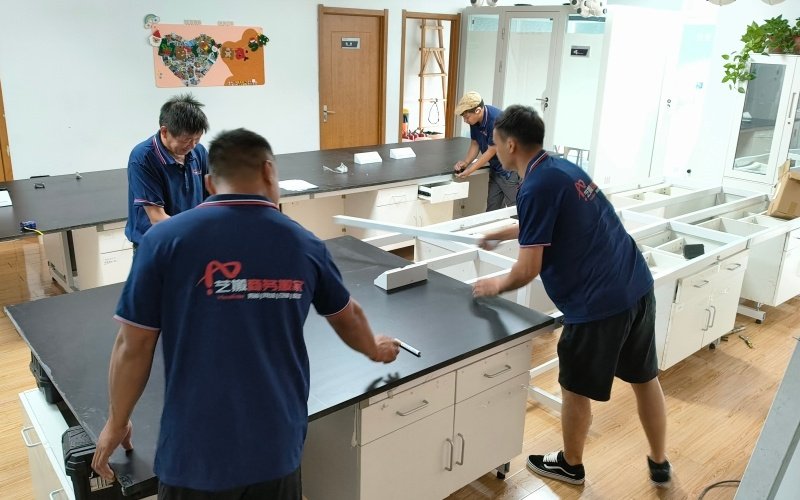
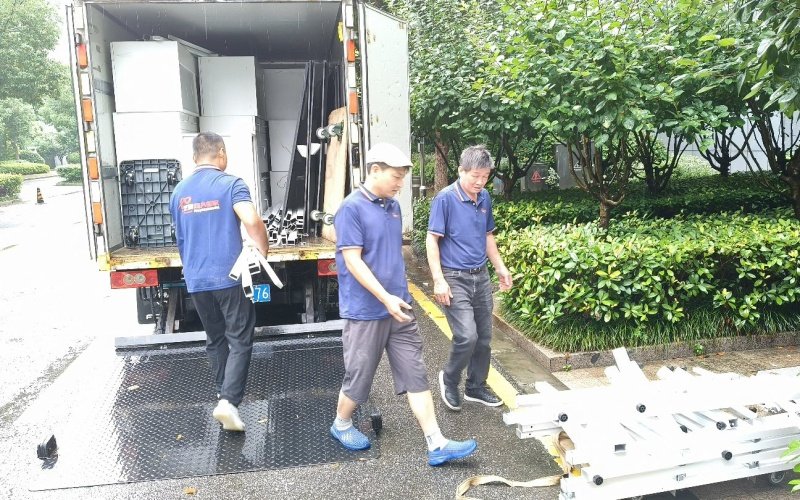
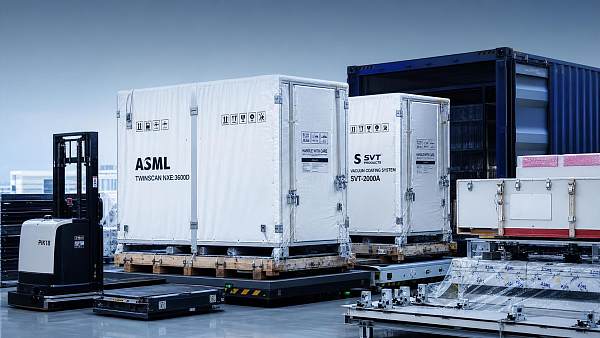
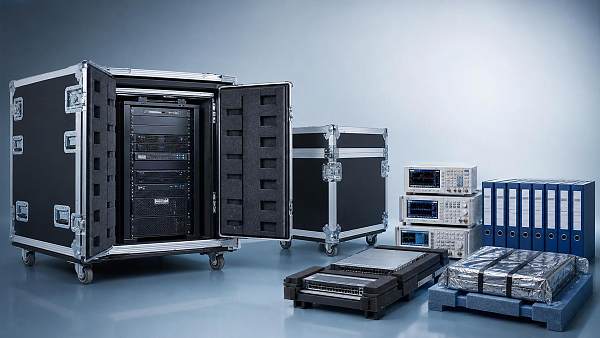
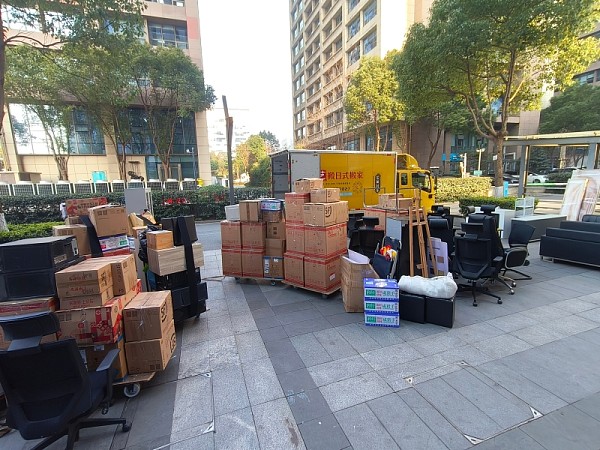
On 18 May, China’s Ministry of Commerce and five other central departments jointly issued a notice formally incorporating ‘business relocation services for foreign personnel in China’ — including full-office and laboratory relocations, equipment crating and transportation, and short-term warehousing — into the scope of eligible purchases under the duty-free departure refund program. A minimum single-transaction value of RMB 500 is required to qualify for refund application. The measure takes effect on 1 July 2026.
Impact Across Key Industry Participants
Direct Trade Enterprises
These firms — acting as primary service providers or intermediaries for cross-border relocation projects — now face new documentation and compliance requirements when issuing invoices and processing refund claims. Their billing systems must support tax-refund eligibility tagging, and staff require training on the updated procedural thresholds and verification workflows.
Raw Material Procurement Firms
Suppliers of packing materials, custom crates, climate-controlled containers, and temporary storage infrastructure may experience increased demand, particularly from service providers preparing for higher-volume, time-sensitive relocation contracts. However, procurement lead times and certification traceability (e.g., packaging safety standards, environmental compliance) will come under closer scrutiny during audit-ready invoicing.
Manufacturing Enterprises
Domestic manufacturers supplying specialized relocation equipment — such as lab-grade lifting gear, anti-vibration transport platforms, or modular cleanroom components — may see expanded B2B opportunities. Yet they must ensure product labeling, origin documentation, and after-sales service records align with refund-eligible transaction criteria.
Supply Chain Service Providers
Firms offering integrated relocation solutions — especially those coordinating customs clearance, domestic logistics, and temporary storage — are directly affected. They must now verify client eligibility (foreign passport + valid visa/stay permit), maintain segmented financial records for refund-qualifying line items, and adapt their service contracts to reflect VAT treatment and refund claim timelines.
Key Compliance Priorities for Enterprises
Eligibility Verification and Documentation Standards
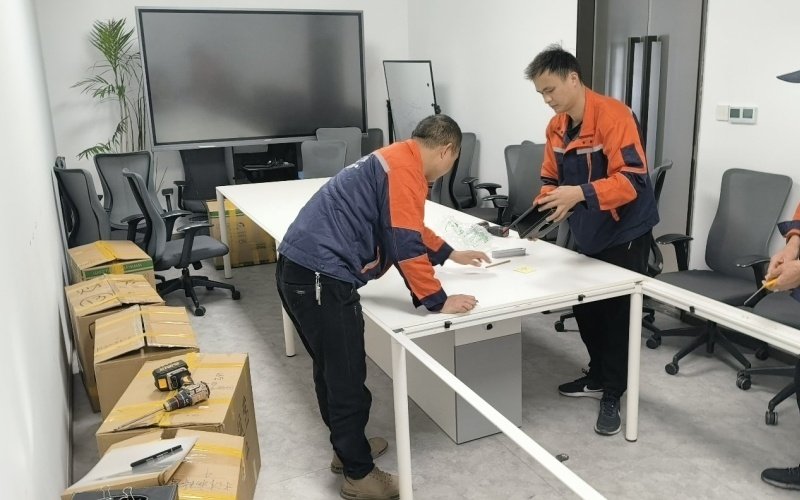
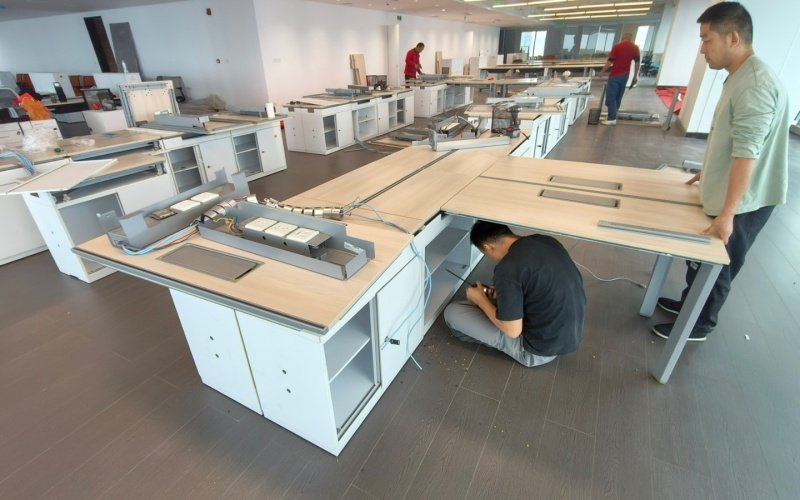
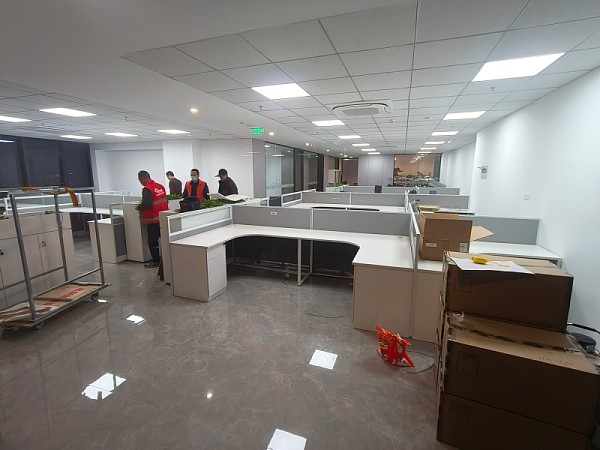
Service providers must confirm that each foreign client holds valid identification and residency status prior to invoice issuance. All qualifying services must be itemized separately on official invoices, clearly indicating scope (e.g., ‘lab equipment crating’, ‘office furniture disassembly and reinstallation’) and total amount per transaction.
Tax Invoice Structuring and Refund Workflow Integration
Businesses must align internal finance systems with the national refund platform’s data schema — including mandatory fields such as client passport number, service delivery date, and physical location of service performance. Delayed or non-standard invoice formatting may result in automatic rejection of refund applications.
Cross-Functional Coordination Between Sales, Finance, and Operations
Relocation project managers, sales teams, and finance departments need synchronized protocols for pre-service eligibility checks, real-time transaction tagging, and post-service documentation handover. Misalignment risks non-compliance exposure during routine tax audits or spot verifications.
Strategic Implications for Service Ecosystem Development
Analysis shows this expansion signals a broader institutional effort to professionalize and formalize high-value business services catering to inbound foreign investment. From an industry perspective, it incentivizes service providers to upgrade documentation rigor, adopt standardized service definitions, and invest in bilingual operational systems — not merely for refund access, but as a de facto benchmark for service quality recognition. What deserves closer attention is how local tax authorities interpret ‘temporary warehousing’ scope — whether duration limits, facility licensing, or inventory tracking requirements will emerge as implicit compliance thresholds in practice.
Long-Term Significance for Cross-Border Service Integration
This policy marks a structural step toward integrating relocation services into China’s formal trade facilitation architecture. Rather than treating such services as ancillary or informal expenditures, the inclusion affirms their role in enabling foreign business continuity and competitiveness. Its success will depend less on immediate uptake volume and more on consistent, transparent implementation — particularly in clarifying audit expectations and minimizing administrative friction for both clients and providers.
Source Attribution and Monitoring Guidance
This article was generated exclusively from the provided title, event date (1 July 2026), and summary description. Specific official source links were not provided in the input and should be verified continuously. Stakeholders are advised to monitor forthcoming implementation guidelines from provincial tax bureaus, updates to the National Tax Service’s refund portal interface, and any clarifications on service classification boundaries — especially regarding hybrid offerings (e.g., relocation bundled with IT setup or regulatory registration support).
 南京办公室搬迁后网络怎么快速恢复
 南京办公室搬家保险有必要买吗
 南京搬办公室需要买搬家保险吗?金融与科技类企业采购决策时如何评估风险覆盖必要性
 艺搬搬家南京能不能处理服务器搬迁中的断电风险
 南京搬家公司设备防护怎么判断是否达到精密仪器要求
 南京机房搬迁服务怎么选?看懂停机风险与实施能力
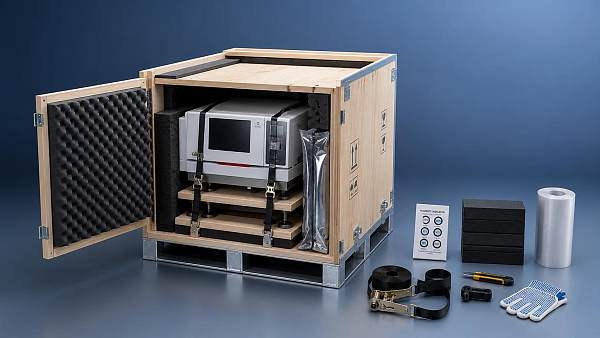
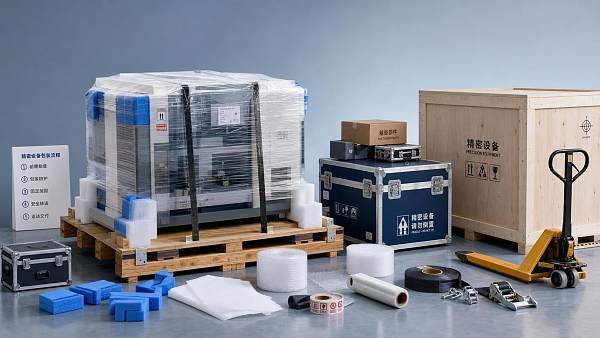
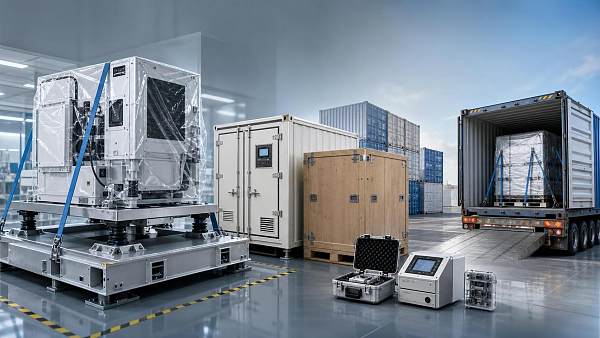
 精密设备搬迁如何避免损坏?关键环节与防护要求解析
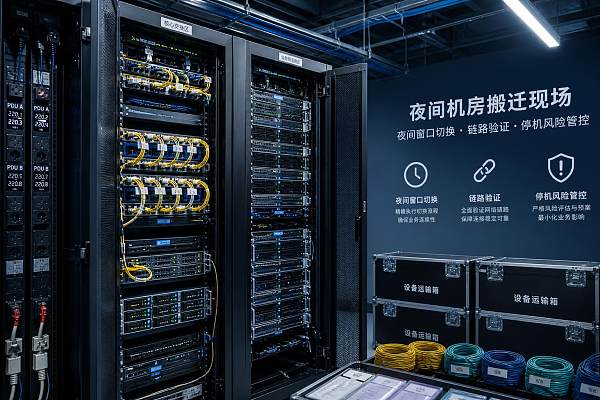
 南京机房搬迁为何多选夜间窗口,停机风险怎么控
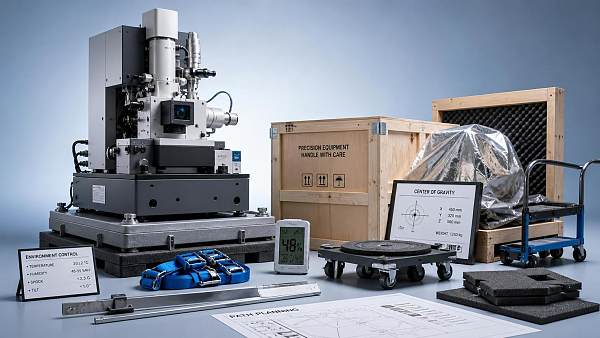
 精密仪器搬运看哪些参数,减震方案不是唯一标准
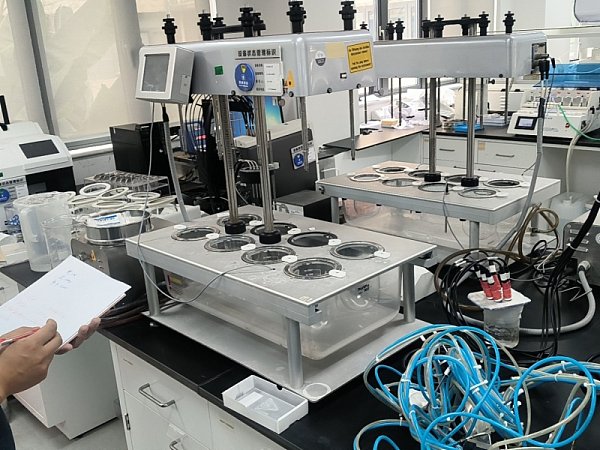
![]() 南京实验室搬迁全流程解析 | 艺搬商务搬家精密设备零误差迁移方案
南京实验室搬迁全流程解析 | 艺搬商务搬家精密设备零误差迁移方案 南京机房搬家怎么降风险:断电切换与数据备份顺序
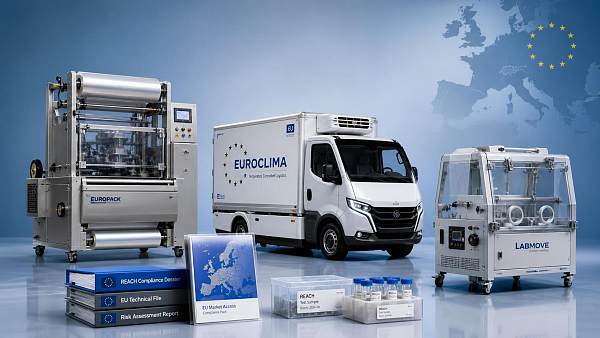
 欧盟REACH新规8月起要求商务搬迁设备申报含物质
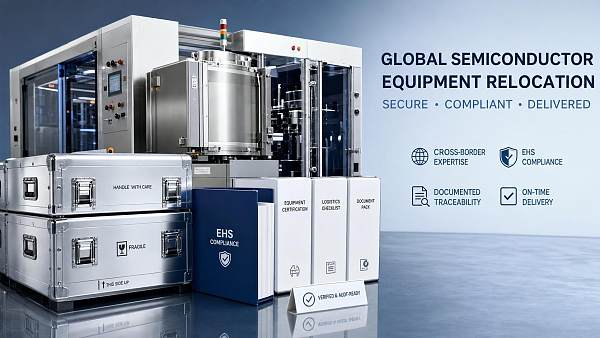
 半导体设备搬迁订单Q2增67%,中国服务商占比升至38%
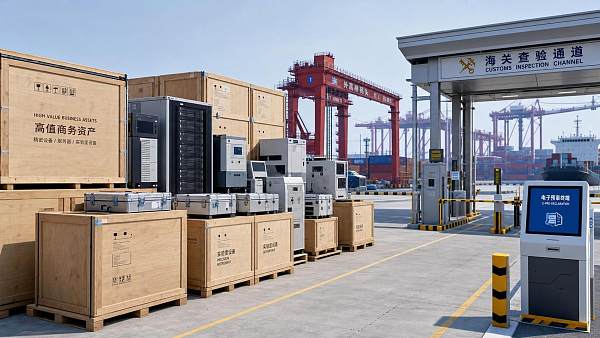
 外高桥港试点高值商务资产绿色通道
 半导体设备搬迁订单增长折射合规服务竞争
 半导体设备搬迁升温,中国服务出口额Q2增67%
 高端制造搬迁升温:Q2中国订单同比增53%,半导体设备占比突出
 Q2中国半导体设备搬迁订单同比增53%
 东南亚办公设备搬迁保险门槛上调
 UL 62841-2-52更新提高IT设备搬迁振动测试阈值
 远东北欧航线调整配载规则,商务设备交付稳定性受关注
 南京传媒公司办公室搬迁案例_艺搬商务一站式企业搬迁服务
 南京家居公司整体搬迁案例_艺搬商务助力加多多家居零中断乔迁
 南京半导体公司整体搬迁案例_南京芯惠半导体搬迁服务_艺搬商务搬家
 南京传媒公司办公室搬迁案例_南京维仁传媒搬迁全程服务_艺搬商务搬家
 南京珠宝艺术品搬迁案例_龙音珠宝全程无损搬迁_艺搬商务搬家
 南京智能设备公司搬迁案例|佛山市道恩智能设备办公室搬迁服务
 南京律所办公室搬迁案例|律师事务所办公搬迁服务
 南京艺搬商务圆满完成江苏省农垦产业技术研究院实验室搬迁项目
 南京国企办公室搬迁案例|江苏凤凰资产办公搬迁服务










留言
如果您对我们的产品感兴趣,并想了解更多细节,请在这里留言,我们将尽快回复您。
请给我们留言
联系我们
南京市雨花区花神庙10号
免费热线:400-880-5202
电子邮件:move@njyiban.com
商务合作:biz@njyiban.com
单位搬迁专属报价单
专注写字楼/产业园整体搬迁 · 一站式智能报价