企业级搬迁服务商
零中断・强保障・成功案例可鉴
20年专注商务搬家,服务超过1000+家企业,见证每一次完美迁移




Effective May 1, 2026, China will apply zero tariff treatment to imports from 20 African countries with which it maintains diplomatic relations — including South Africa, Egypt, Nigeria, and Kenya — all classified as non-Least Developed Countries (non-LDCs). This two-year preferential trade measure directly impacts agri-food importers, global supply chain operators, and cross-border distribution partners by reducing landed costs and enhancing customs clearance predictability for key African-origin commodities.
Policy Implementation Details
Starting May 1, 2026, China will extend duty-free market access to all eligible products imported from the 20 non-LDC African countries with formal diplomatic ties. The preferential arrangement is valid for two years. Covered goods include high-quality agricultural products such as cocoa, coffee, avocados, and other specialty produce. The policy explicitly aims to lower import costs, accelerate customs processing, and strengthen procurement certainty for foreign exporters and their Chinese partners.
Impact Across Industry Stakeholders
Direct Trading Enterprises
Exporters and importers engaged in bilateral trade between China and the designated African countries will benefit immediately from reduced landed costs and simplified tariff classification procedures. Their pricing strategies, contract terms, and margin calculations must now reflect the new zero-duty baseline — especially for seasonal or volume-sensitive commodities like coffee and avocados.
Raw Material Procurement Firms
Firms sourcing cocoa beans, coffee cherries, or fresh horticultural produce will face revised cost structures and updated origin documentation requirements. They must verify product eligibility under the new tariff schedule and ensure traceability systems meet Chinese customs’ origin verification expectations.
Processing and Manufacturing Companies
Domestic food processors, beverage manufacturers, and cosmetic ingredient producers relying on African-sourced raw materials may reassess input cost models and supplier diversification plans. Changes in landed cost stability could influence long-term sourcing contracts and inventory planning cycles.
Supply Chain Service Providers
Cargo forwarders, customs brokers, and logistics integrators must update tariff databases, refine documentation workflows for preferential origin claims (e.g., Certificate of Origin Form A), and advise clients on compliance timelines ahead of the May 1, 2026, effective date.
Key Operational Considerations for Businesses
Origin Certification and Compliance Verification
Eligible exporters must obtain and submit valid Certificates of Origin issued by competent authorities in their home countries. Chinese importers should proactively validate certification formats and retention periods to avoid customs delays or duty recapture.
Procurement Planning and Lead Time Adjustment
With improved cost predictability and faster clearance, procurement teams can optimize order frequency and safety stock levels — particularly for perishable items such as avocados. Adjustments should align with updated customs processing benchmarks post-implementation.
Supplier Qualification and Contract Alignment
Importers must review existing supplier agreements to incorporate clauses addressing preferential tariff applicability, origin declaration responsibilities, and liability for misclassification. New contracts should define documentation handover timelines and audit readiness standards.
Risk Assessment for Export Trade Compliance
While market access improves, exporters remain subject to China’s phytosanitary, labeling, and food safety regulations. Non-tariff barriers — including inspection protocols and mandatory registration — require parallel attention alongside tariff optimization.
Industry Perspective: Beyond Tariff Reduction
Analysis shows this measure goes beyond short-term cost relief: it signals a structural shift toward institutionalized, rules-based trade facilitation with strategic African partners. From an industry perspective, the two-year duration suggests a pilot phase — one that may inform longer-term trade agreement frameworks or regional integration initiatives. What deserves closer attention is how rapidly domestic Chinese distributors scale up African-sourced SKUs, and whether origin verification capacity across African customs administrations keeps pace with increased export volumes. Observably, the policy lowers entry barriers not just for large multinationals but also for SME exporters equipped with basic origin compliance infrastructure.
Strategic Implications for Global Sourcing
This initiative reinforces China’s broader trade diplomacy strategy while creating tangible commercial opportunities for qualified African exporters. Its significance lies less in immediate tariff savings and more in the enhanced reliability it brings to cross-continental supply chains — a critical factor amid ongoing global logistics volatility. For stakeholders, sustained value capture depends not only on tariff advantage but also on consistent regulatory adherence, responsive quality assurance, and agile documentation management.
Source Information and Monitoring Guidance
This article synthesizes the provided title, event date (2026-05-01), and summary. Specific official source links were not provided in the input and should be verified continuously. Stakeholders are advised to monitor upcoming announcements from China’s Ministry of Commerce (MOFCOM), General Administration of Customs of China (GACC), and relevant African trade ministries regarding implementation guidelines, eligible product lists, certificate templates, and potential adjustments to sanitary and phytosanitary (SPS) requirements.
 南京办公室搬迁后网络怎么快速恢复
 南京办公室搬家保险有必要买吗
 南京搬办公室需要买搬家保险吗?金融与科技类企业采购决策时如何评估风险覆盖必要性
 艺搬搬家南京能不能处理服务器搬迁中的断电风险
 南京搬家公司设备防护怎么判断是否达到精密仪器要求
 南京机房搬迁服务怎么选?看懂停机风险与实施能力
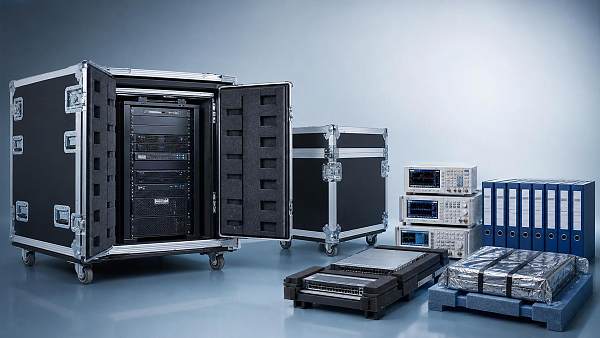
 精密设备搬迁如何避免损坏?关键环节与防护要求解析
 南京机房搬迁为何多选夜间窗口,停机风险怎么控
 精密仪器搬运看哪些参数,减震方案不是唯一标准
![]() 南京实验室搬迁全流程解析 | 艺搬商务搬家精密设备零误差迁移方案
南京实验室搬迁全流程解析 | 艺搬商务搬家精密设备零误差迁移方案 南京机房搬家怎么降风险:断电切换与数据备份顺序
 欧盟REACH新规8月起要求商务搬迁设备申报含物质
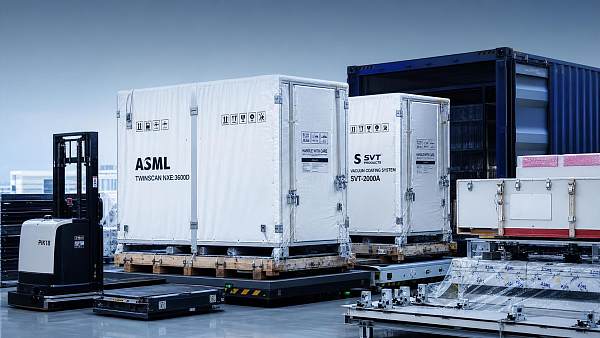
 半导体设备搬迁订单Q2增67%,中国服务商占比升至38%
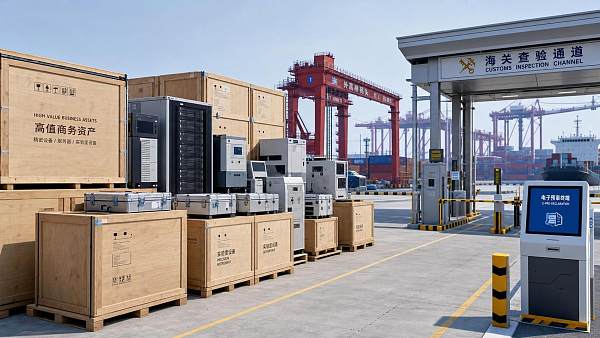
 外高桥港试点高值商务资产绿色通道
 半导体设备搬迁订单增长折射合规服务竞争
 半导体设备搬迁升温,中国服务出口额Q2增67%
 高端制造搬迁升温:Q2中国订单同比增53%,半导体设备占比突出
 Q2中国半导体设备搬迁订单同比增53%
 东南亚办公设备搬迁保险门槛上调
 UL 62841-2-52更新提高IT设备搬迁振动测试阈值
 远东北欧航线调整配载规则,商务设备交付稳定性受关注
 南京传媒公司办公室搬迁案例_艺搬商务一站式企业搬迁服务
 南京家居公司整体搬迁案例_艺搬商务助力加多多家居零中断乔迁
 南京半导体公司整体搬迁案例_南京芯惠半导体搬迁服务_艺搬商务搬家
 南京传媒公司办公室搬迁案例_南京维仁传媒搬迁全程服务_艺搬商务搬家
 南京珠宝艺术品搬迁案例_龙音珠宝全程无损搬迁_艺搬商务搬家
 南京智能设备公司搬迁案例|佛山市道恩智能设备办公室搬迁服务
 南京律所办公室搬迁案例|律师事务所办公搬迁服务
 南京艺搬商务圆满完成江苏省农垦产业技术研究院实验室搬迁项目
 南京国企办公室搬迁案例|江苏凤凰资产办公搬迁服务



















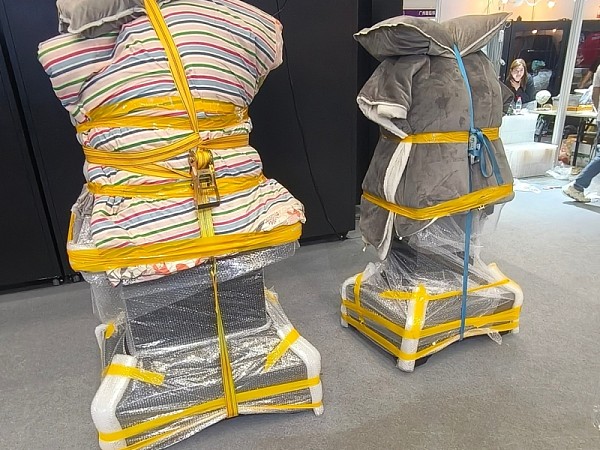
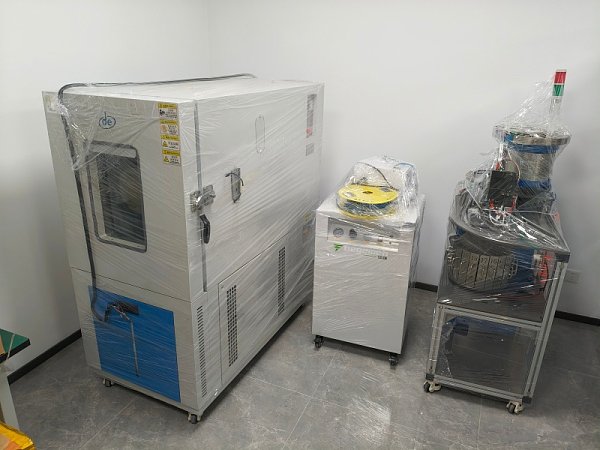

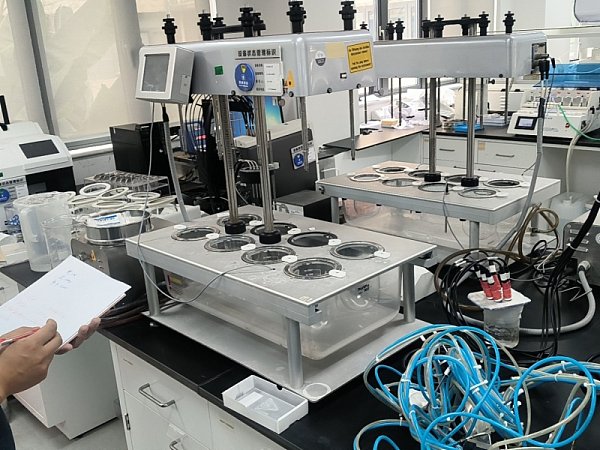
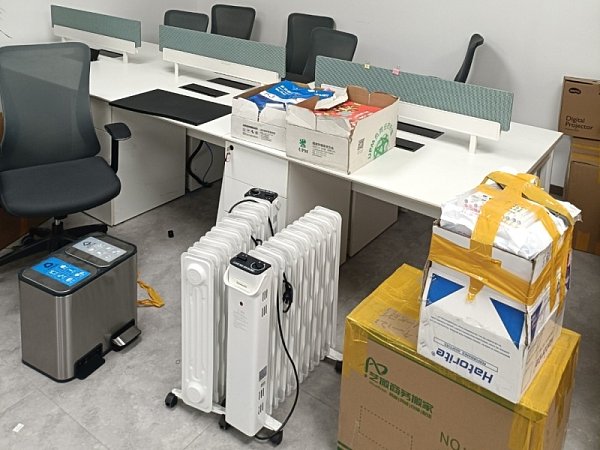
留言
如果您对我们的产品感兴趣,并想了解更多细节,请在这里留言,我们将尽快回复您。
请给我们留言
联系我们
南京市雨花区花神庙10号
免费热线:400-880-5202
电子邮件:move@njyiban.com
商务合作:biz@njyiban.com
单位搬迁专属报价单
专注写字楼/产业园整体搬迁 · 一站式智能报价