企业级搬迁服务商
零中断・强保障・成功案例可鉴
20年专注商务搬家,服务超过1000+家企业,见证每一次完美迁移

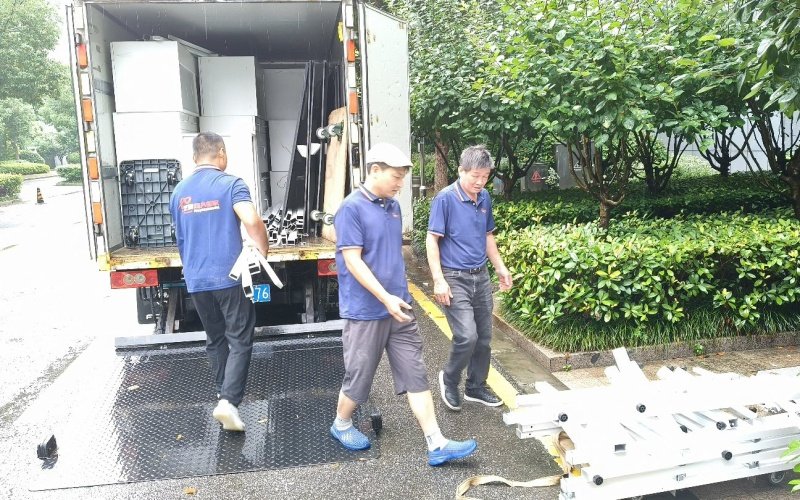


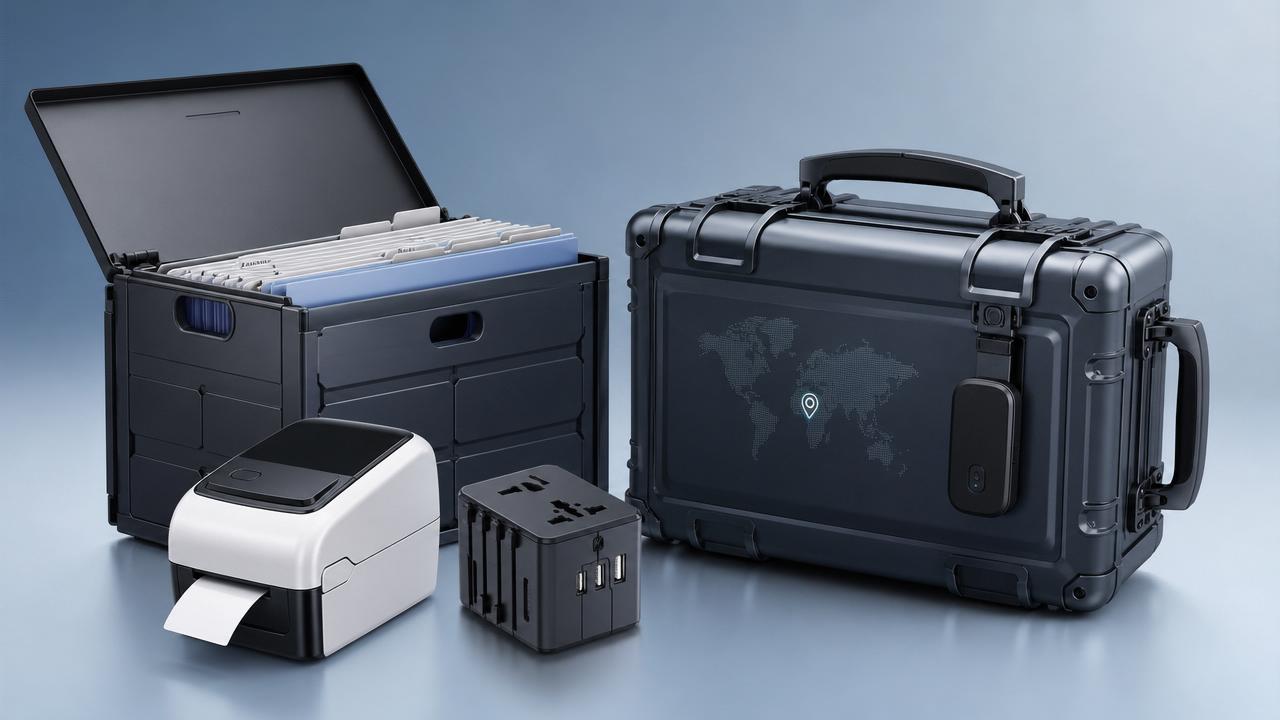
Effective May 1, 2026, China has fully implemented zero-tariff treatment for selected business services imported from 53 African countries — marking the world’s first regional zero-tariff arrangement targeting cross-border business services. The measure directly affects service providers and procurement entities engaged in office relocation, international employee assignment support, and multilingual administrative outsourcing.
Policy Rollout Confirmed Under Dakar Action Plan Follow-Up
Pursuant to the follow-up arrangements of the Forum on China–Africa Cooperation – Dakar Action Plan (2022–2024), China has granted zero-tariff market access for business services originating from 53 African nations. The scope explicitly includes office relocation services, international employee placement assistance, and multilingual administrative management services. The policy entered into force on May 1, 2026, and represents the first regionally scoped zero-tariff framework globally dedicated to business services trade.
Impact Across Market Participants
Direct trading enterprises
Export-oriented service providers based in China now face enhanced competitiveness when bidding for contracts with African public and private sector clients. Since no import duties apply, pricing flexibility increases — particularly for bundled or long-term service agreements requiring upfront investment in local coordination infrastructure.
Supply chain service enterprises
Firms offering integrated relocation logistics, HR mobility coordination, or language-enabled administrative outsourcing must align operational documentation — including service scope definitions, delivery milestones, and bilingual invoicing — with newly applicable customs classification codes and origin certification requirements under the preferential regime.
Procurement entities in Africa
African government agencies, multinational subsidiaries, and regional headquarters stand to benefit from lower total cost of ownership for facility relocations and workforce deployment. However, they may need to adapt internal procurement guidelines to recognize service-based tariff exemptions — a category historically less codified than goods-based preferences.
Manufacturing enterprises with African operations
While not direct service exporters, manufacturers establishing or relocating production facilities in Africa may leverage this framework indirectly — by selecting Chinese service partners offering duty-free administrative, staffing, and facility transition support, thereby accelerating setup timelines and reducing non-capital expenditures.
Key Operational Considerations for Service Providers
Origin certification and compliance verification
Eligibility hinges on verifiable origin of service delivery — not just contractual domicile. Providers must document personnel deployment routes, local subcontractor engagement (if any), and service execution locations to substantiate African country-of-origin claims during customs review.
Service scope alignment with tariff nomenclature
The zero-tariff coverage applies only to services explicitly listed: office relocation, international employee assignment support, and multilingual administrative托管 (translated contextually as “multilingual administrative management”). Broader categories — such as IT infrastructure migration or legal advisory — fall outside the arrangement unless formally added via future annexes.
Contract structuring and billing protocols
Contracts must clearly separate tariff-eligible service components from non-eligible elements (e.g., equipment leasing or software licensing). Mixed-scope invoices risk partial rejection of duty exemption claims during customs clearance.
Documentation readiness for customs authorities
Providers should prepare standardized origin declarations, service delivery logs, and client confirmation letters — all in English or French — to meet anticipated verification demands from African customs administrations implementing the new regime.
Strategic Implications Beyond Tariff Reduction
Analysis shows this initiative signals a structural shift toward service-led economic cooperation within South–South frameworks. It is more appropriate to understand this as an institutional test case — assessing how service origin rules, digital evidence standards, and cross-border regulatory interoperability evolve outside traditional WTO modalities. What deserves closer attention is whether African customs authorities develop harmonized classification practices for intangible service outputs — a prerequisite for scalable implementation beyond pilot sectors.
Industry Significance and Forward Outlook
This policy does not represent a broad liberalization of service trade, but rather a targeted, rule-based opening focused on high-touch, project-based administrative and mobility services. Its significance lies in establishing precedent: demonstrating that service origin can be operationally verified and tariffed — or exempted — with sufficient granularity. Sustainable impact will depend less on headline duty elimination and more on consistent application across 53 national customs systems and evolving clarity on audit expectations.
Source Attribution and Verification Notes
This article was generated exclusively from the user-provided information: title, event date (2026-05-01), and summary text. Specific official source links were not provided in the input and should be verified continuously. Stakeholders are advised to monitor updates from the Ministry of Commerce of the People’s Republic of China, African Union Commission departments responsible for trade facilitation, and national customs authorities in beneficiary countries — particularly regarding detailed implementation guidelines, origin certification templates, and sectoral expansion announcements.
 南京办公室搬迁后网络怎么快速恢复
 南京办公室搬家保险有必要买吗
 南京搬办公室需要买搬家保险吗?金融与科技类企业采购决策时如何评估风险覆盖必要性
 艺搬搬家南京能不能处理服务器搬迁中的断电风险
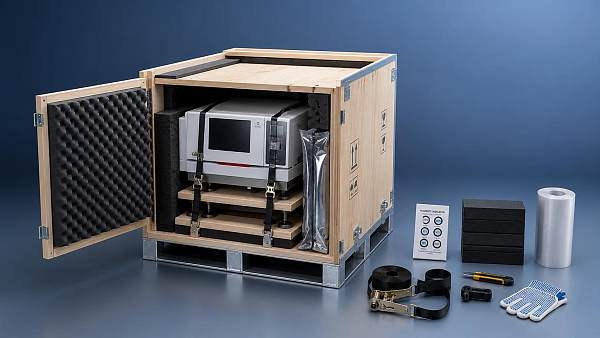
 南京搬家公司设备防护怎么判断是否达到精密仪器要求
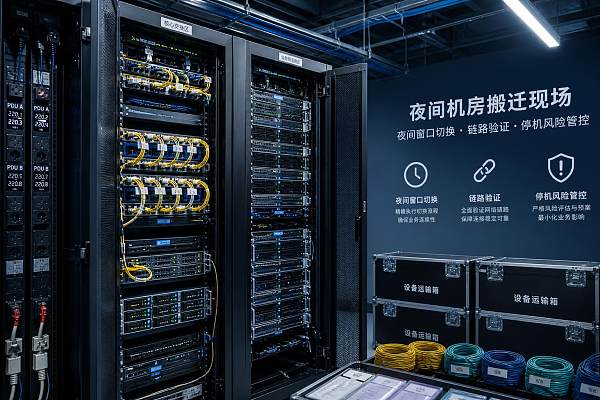
 南京机房搬迁服务怎么选?看懂停机风险与实施能力
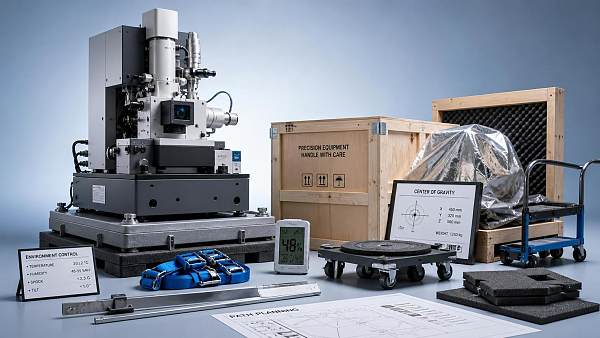
 精密设备搬迁如何避免损坏?关键环节与防护要求解析
 南京机房搬迁为何多选夜间窗口,停机风险怎么控
 精密仪器搬运看哪些参数,减震方案不是唯一标准
![]() 南京实验室搬迁全流程解析 | 艺搬商务搬家精密设备零误差迁移方案
南京实验室搬迁全流程解析 | 艺搬商务搬家精密设备零误差迁移方案 南京机房搬家怎么降风险:断电切换与数据备份顺序
 欧盟REACH新规8月起要求商务搬迁设备申报含物质
 半导体设备搬迁订单Q2增67%,中国服务商占比升至38%
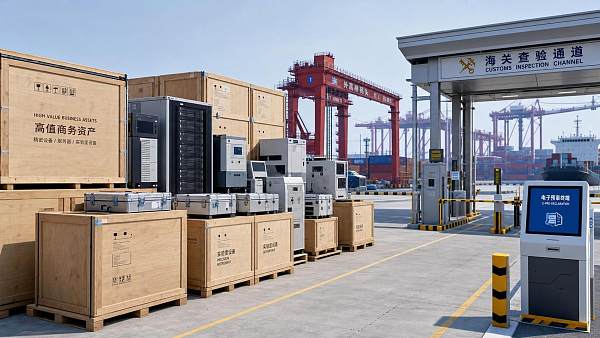
 外高桥港试点高值商务资产绿色通道
 半导体设备搬迁订单增长折射合规服务竞争
 半导体设备搬迁升温,中国服务出口额Q2增67%
 高端制造搬迁升温:Q2中国订单同比增53%,半导体设备占比突出
 Q2中国半导体设备搬迁订单同比增53%
 东南亚办公设备搬迁保险门槛上调
 UL 62841-2-52更新提高IT设备搬迁振动测试阈值
 远东北欧航线调整配载规则,商务设备交付稳定性受关注
 南京传媒公司办公室搬迁案例_艺搬商务一站式企业搬迁服务
 南京家居公司整体搬迁案例_艺搬商务助力加多多家居零中断乔迁
 南京半导体公司整体搬迁案例_南京芯惠半导体搬迁服务_艺搬商务搬家
 南京传媒公司办公室搬迁案例_南京维仁传媒搬迁全程服务_艺搬商务搬家
 南京珠宝艺术品搬迁案例_龙音珠宝全程无损搬迁_艺搬商务搬家
 南京智能设备公司搬迁案例|佛山市道恩智能设备办公室搬迁服务
 南京律所办公室搬迁案例|律师事务所办公搬迁服务
 南京艺搬商务圆满完成江苏省农垦产业技术研究院实验室搬迁项目
 南京国企办公室搬迁案例|江苏凤凰资产办公搬迁服务













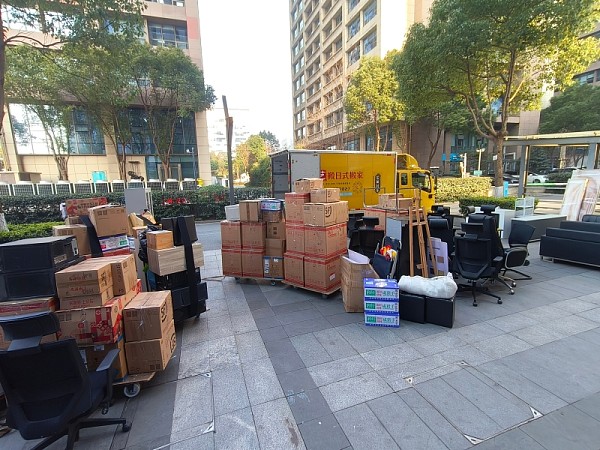


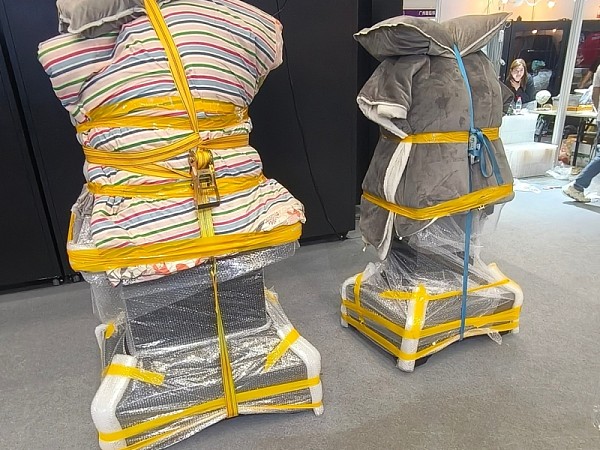
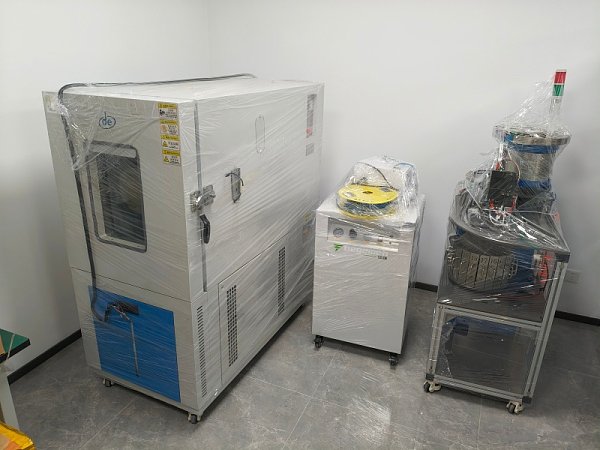
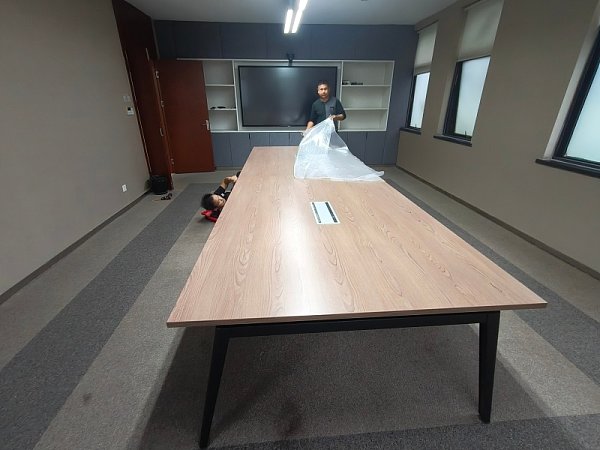

留言
如果您对我们的产品感兴趣,并想了解更多细节,请在这里留言,我们将尽快回复您。
请给我们留言
联系我们
南京市雨花区花神庙10号
免费热线:400-880-5202
电子邮件:move@njyiban.com
商务合作:biz@njyiban.com
单位搬迁专属报价单
专注写字楼/产业园整体搬迁 · 一站式智能报价