企业级搬迁服务商
零中断・强保障・成功案例可鉴
20年专注商务搬家,服务超过1000+家企业,见证每一次完美迁移
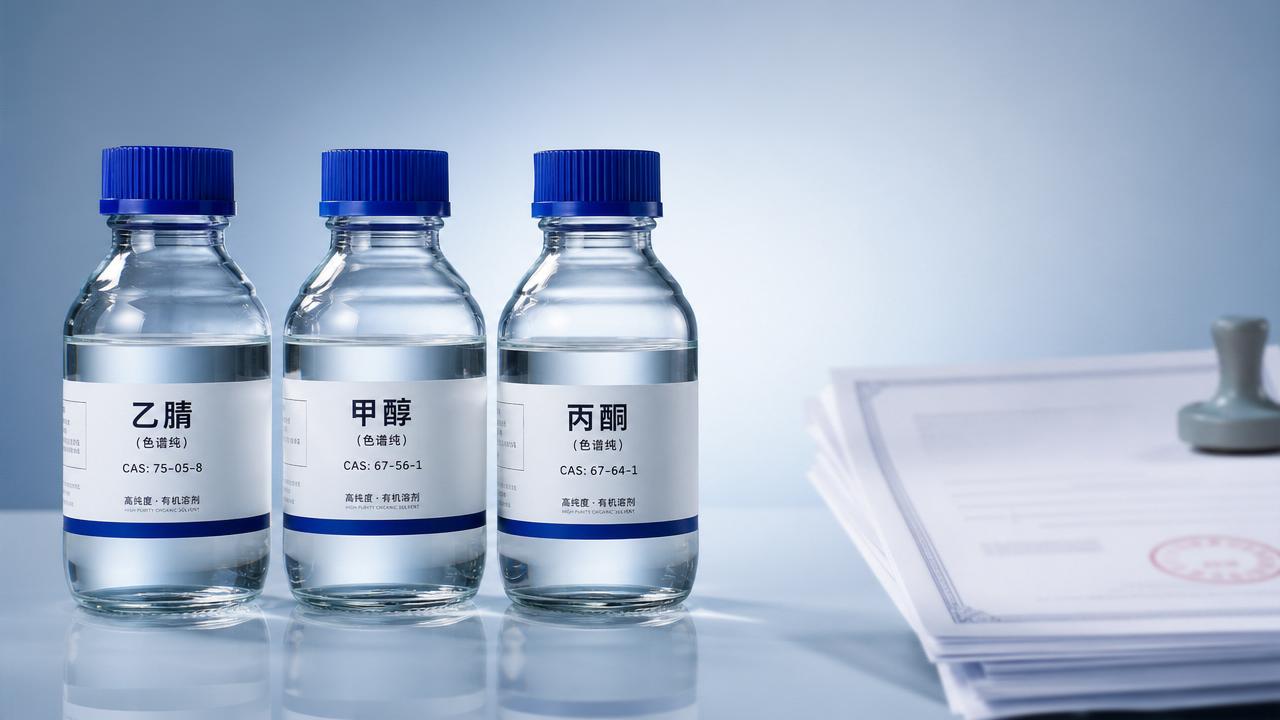
Chinese authorities have updated export control regulations for precursor chemicals used in illicit drug production. Although the exact event date was not specified, the policy change — jointly issued by the Ministry of Commerce and four other departments — introduces new licensing requirements for exports to selected countries in the Middle East and Southeast Asia. The revision directly affects chemical traders, laboratory suppliers, and manufacturers handling organic solvents and reagents commonly involved in lab relocation or R&D operations.
New Regulatory Scope Confirmed
On May 22, the Ministry of Commerce and four other departments announced an amendment to the Export Control Directory for Narcotic Precursor Chemicals to Specific Countries (Regions). Three newly identified precursor chemicals — including certain organic solvents and reagents frequently encountered during laboratory relocation — have been added to the controlled list. Exports of these substances to designated countries in the Middle East and Southeast Asia now require advance application for a dual-use items export license.
Impact Across Supply Chain Roles
Direct Exporters
Companies engaged in cross-border shipment of affected chemicals must now initiate licensing procedures prior to any consignment. This introduces mandatory lead time for documentation review and approval, potentially delaying order fulfillment and requiring revised contractual delivery terms.
Raw Material Procurement Entities
Buyers sourcing these precursors for domestic formulation or further processing must verify supplier compliance status and assess whether upstream supply chains are licensed for export-bound batches — especially when procurement involves blended or repackaged materials.
Manufacturing Firms
Producers incorporating listed solvents or reagents into finished products (e.g., analytical standards, calibration kits, or specialty formulations) may face downstream scrutiny if their output falls under dual-use classification. Internal material traceability systems must now distinguish between domestic-use and export-bound lots.
Supply Chain Service Providers
Logistics integrators, customs brokers, and freight forwarders handling such cargo must update compliance checklists and ensure real-time verification of valid export licenses before accepting shipments destined for regulated jurisdictions.
Key Compliance Actions for Enterprises
Review Product Classification Against Updated List
Confirm whether current or planned exports include any of the three newly listed precursors — particularly those overlapping with common laboratory-grade organic solvents and reagents. Classification should be verified against the official directory, not solely based on CAS numbers or generic names.
Initiate Dual-Use License Applications Early
Given processing timelines for dual-use items export licenses, firms planning shipments to affected regions should submit applications well ahead of shipment windows — especially where end-use declarations or end-user undertakings are required.
Update Internal Documentation and Traceability Protocols
Revise material safety data sheets (MSDS), commercial invoices, and packing lists to reflect updated regulatory status. Implement batch-level tracking to support audit readiness and demonstrate segregation between licensed and non-licensed consignments.
Assess Supplier and Subcontractor Licensing Status
Verify that all upstream suppliers — including toll manufacturers and packaging vendors — hold valid export authorizations where applicable, particularly if they handle or store controlled substances on behalf of the exporter.
Industry Observation: Regulatory Alignment and Operational Readiness
Analysis shows this revision reflects a broader trend toward harmonizing China’s export controls with international narcotics monitoring frameworks, notably those administered by the International Narcotics Control Board (INCB). From an industry perspective, what deserves closer attention is not only the immediate licensing burden but also the increasing expectation for granular chemical inventory management — extending beyond final products to include intermediates, solvents, and even lab-scale reagents. Observably, firms with mature dual-use compliance programs are better positioned to adapt, while smaller laboratories and contract manufacturers may face disproportionate administrative overhead due to limited internal regulatory capacity.
Strategic Implications for Market Participants
This update signals a tightening of oversight at the interface between legitimate scientific activity and export-controlled trade. It underscores that regulatory scrutiny now extends to substances previously considered low-risk in routine laboratory logistics — especially when exported to jurisdictions with evolving narcotics enforcement capacities. A rational interpretation is that compliance is no longer a one-time certification task, but an embedded operational requirement across procurement, manufacturing, and logistics functions.
Source Attribution and Monitoring Guidance
This article is generated exclusively from the provided title, event summary, and timing information. Specific official source links were not provided in the input and should be verified continuously. Stakeholders are advised to monitor forthcoming implementation guidelines, licensing authority interpretations, updates to customs declaration codes, and sector-specific feedback from industry associations — particularly regarding the practical scope of ‘laboratory relocation-related reagents’ and eligibility criteria for license exemptions.
 南京办公室搬迁后网络怎么快速恢复
 南京办公室搬家保险有必要买吗
 南京搬办公室需要买搬家保险吗?金融与科技类企业采购决策时如何评估风险覆盖必要性
 艺搬搬家南京能不能处理服务器搬迁中的断电风险
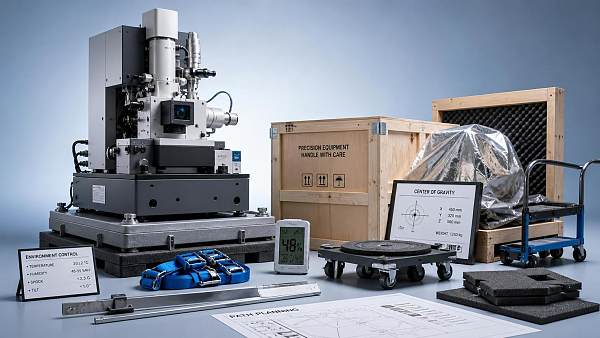
 南京搬家公司设备防护怎么判断是否达到精密仪器要求
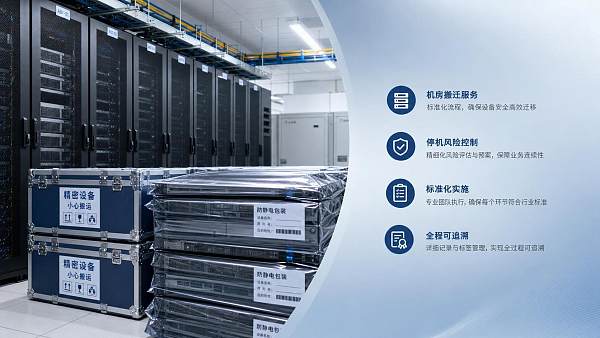
 南京机房搬迁服务怎么选?看懂停机风险与实施能力
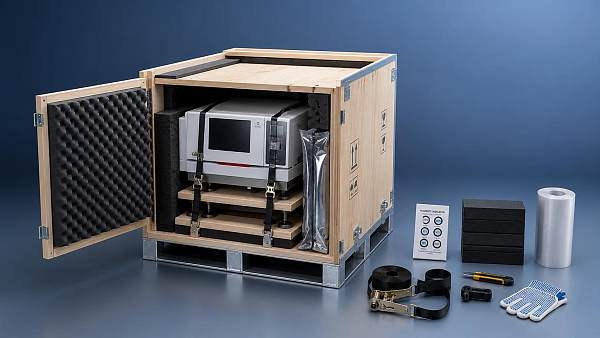
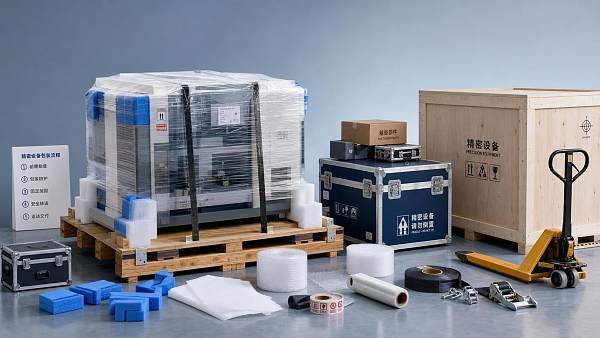
 精密设备搬迁如何避免损坏?关键环节与防护要求解析
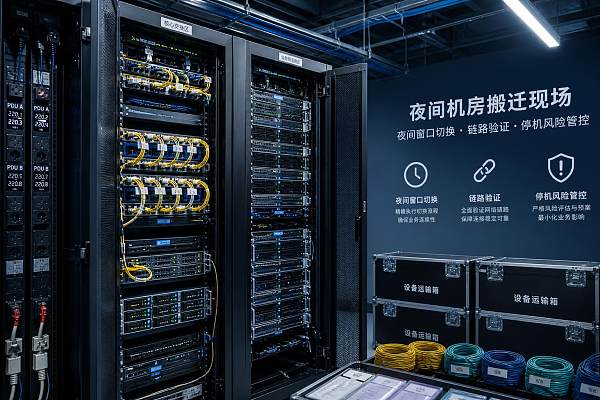
 南京机房搬迁为何多选夜间窗口,停机风险怎么控
 精密仪器搬运看哪些参数,减震方案不是唯一标准
![]() 南京实验室搬迁全流程解析 | 艺搬商务搬家精密设备零误差迁移方案
南京实验室搬迁全流程解析 | 艺搬商务搬家精密设备零误差迁移方案 南京机房搬家怎么降风险:断电切换与数据备份顺序
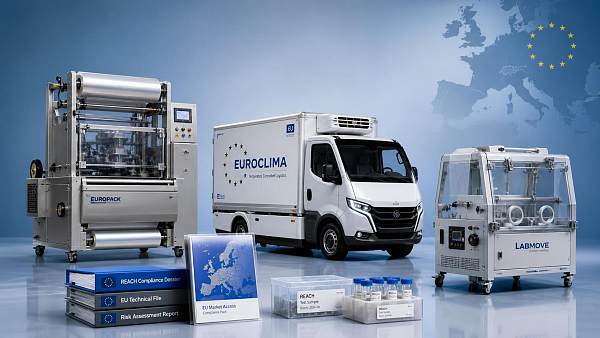
 欧盟REACH新规8月起要求商务搬迁设备申报含物质
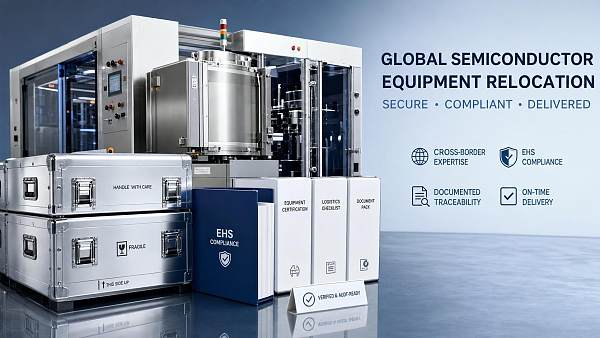
 半导体设备搬迁订单Q2增67%,中国服务商占比升至38%
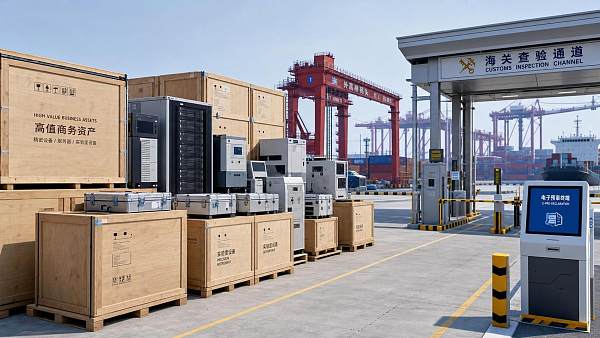
 外高桥港试点高值商务资产绿色通道
 半导体设备搬迁订单增长折射合规服务竞争
 半导体设备搬迁升温,中国服务出口额Q2增67%
 高端制造搬迁升温:Q2中国订单同比增53%,半导体设备占比突出
 Q2中国半导体设备搬迁订单同比增53%
 东南亚办公设备搬迁保险门槛上调
 UL 62841-2-52更新提高IT设备搬迁振动测试阈值
 远东北欧航线调整配载规则,商务设备交付稳定性受关注
 南京传媒公司办公室搬迁案例_艺搬商务一站式企业搬迁服务
 南京家居公司整体搬迁案例_艺搬商务助力加多多家居零中断乔迁
 南京半导体公司整体搬迁案例_南京芯惠半导体搬迁服务_艺搬商务搬家
 南京传媒公司办公室搬迁案例_南京维仁传媒搬迁全程服务_艺搬商务搬家
 南京珠宝艺术品搬迁案例_龙音珠宝全程无损搬迁_艺搬商务搬家
 南京智能设备公司搬迁案例|佛山市道恩智能设备办公室搬迁服务
 南京律所办公室搬迁案例|律师事务所办公搬迁服务
 南京艺搬商务圆满完成江苏省农垦产业技术研究院实验室搬迁项目
 南京国企办公室搬迁案例|江苏凤凰资产办公搬迁服务







留言
如果您对我们的产品感兴趣,并想了解更多细节,请在这里留言,我们将尽快回复您。
请给我们留言
联系我们
南京市雨花区花神庙10号
免费热线:400-880-5202
电子邮件:move@njyiban.com
商务合作:biz@njyiban.com
单位搬迁专属报价单
专注写字楼/产业园整体搬迁 · 一站式智能报价