企业级搬迁服务商
零中断・强保障・成功案例可鉴
20年专注商务搬家,服务超过1000+家企业,见证每一次完美迁移




Nigeria’s central bank has mandated naira-denominated pricing and settlement for all import and export transactions, effective May 1, 2026. This regulatory shift restricts the use of U.S. dollar cash and spot foreign exchange payments, directly affecting Chinese exporters—particularly those in construction materials, home appliances, and motorcycle parts from Taizhou—by altering receivables timing, currency risk exposure, and local agent collaboration models.
Regulatory Implementation Effective May 1, 2026
Beginning May 1, 2026, the Central Bank of Nigeria requires that all cross-border trade transactions—including imports and exports—be invoiced, priced, and settled exclusively in Nigerian naira. The regulation explicitly limits the use of U.S. dollar physical cash and spot foreign exchange transfers for commercial trade settlements.
Operational Impact Across Supply Chain Roles
Direct Exporters
Exporters face immediate adjustments to payment terms, as traditional USD-denominated open accounts and letters of credit must now be restructured around naira liquidity. This affects cash flow forecasting, working capital planning, and contract renegotiation with Nigerian buyers.
Raw Material Sourcing Firms
Firms procuring inputs for export-bound goods may encounter mismatched currency flows: while input costs are often priced in USD or CNY, final revenue is received in NGN—introducing layered foreign exchange conversion risks and margin compression pressure.
Manufacturers with Export-Oriented Production Lines
Manufacturers—especially those producing building materials, consumer electronics, and vehicle components—must reassess pricing strategies, cost-plus calculations, and landed-cost modeling to accommodate mandatory naira invoicing and potential local banking delays in naira disbursement.
Trade Facilitation and Logistics Service Providers
Freight forwarders, customs brokers, and trade finance intermediaries need to update documentation workflows, compliance checklists, and settlement instructions to align with naira-only requirements, including revised invoice formats, bank confirmation protocols, and audit trail standards.
Key Considerations and Adaptive Measures for Enterprises
Revising Payment Terms and Currency Risk Management
Enterprises should replace USD-based credit periods with naira-linked terms, incorporate forward contracts or hedging instruments where available, and evaluate naira liquidity capacity of Nigerian counterparties before shipment.
Adjusting Local Agent Agreements
Partnerships with Nigerian agents or distributors require contractual updates to clarify responsibilities for naira collection, bank reconciliation, and foreign exchange conversion transparency—including fee allocation and reporting obligations.
Updating Commercial Documentation
All invoices, pro forma invoices, bills of lading, and certificates of origin must reflect naira denominations and comply with Central Bank of Nigeria’s updated trade documentation guidelines; bilingual (English–NGN) formatting is recommended for clarity and audit readiness.
Monitoring Local Banking Infrastructure Readiness
Given infrastructure constraints in Nigeria’s domestic payment systems, exporters should verify naira clearing timelines, confirm correspondent bank capabilities, and build buffer time into delivery-to-payment cycles.
Industry Perspective: A Structural Shift Beyond Exchange Rate Volatility
Analysis shows this policy represents more than a currency control measure—it signals a deliberate move toward domestic financial system sovereignty and reduced external dependency. From an industry perspective, it accelerates the need for Chinese exporters to develop localized financial partnerships, deepen naira liquidity management competencies, and treat regulatory compliance as a core operational function—not just a back-office requirement. What deserves closer attention is how this reshapes long-term market entry strategies: firms previously relying on USD-mediated trade may find themselves at a disadvantage unless they integrate local banking, FX services, and regulatory advisory support early in their Nigeria engagement model.
Strategic Implications for Cross-Border Trade Engagement
This regulation underscores a broader global trend where emerging-market central banks increasingly prioritize domestic currency usage in external trade to stabilize reserves and strengthen monetary policy autonomy. For Chinese exporters, the event marks a pivot point—from viewing Nigeria primarily through a product-and-price lens to adopting a holistic trade-environment approach that includes financial infrastructure, regulatory agility, and local partnership depth. Sustainable competitiveness will hinge less on cost advantage alone and more on adaptive operational design aligned with host-country monetary frameworks.
Source Attribution and Ongoing Monitoring Guidance
This article is based solely on the provided information: title, effective date (May 1, 2026), and summary description. Specific official source links were not provided in the input and should be verified continuously. Stakeholders are advised to monitor forthcoming Central Bank of Nigeria circulars on implementation details, clarifications on permissible naira settlement mechanisms, guidance for third-party payment service providers, and feedback from Nigerian commercial banks regarding processing timelines and documentation acceptance criteria.

 南京办公室搬迁后网络怎么快速恢复
 南京办公室搬家保险有必要买吗
 南京搬办公室需要买搬家保险吗?金融与科技类企业采购决策时如何评估风险覆盖必要性
 艺搬搬家南京能不能处理服务器搬迁中的断电风险
 南京搬家公司设备防护怎么判断是否达到精密仪器要求
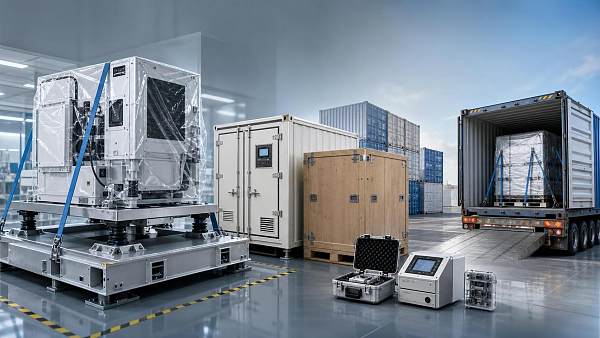
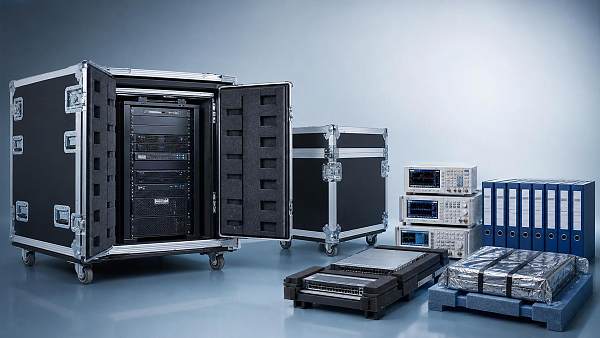
 南京机房搬迁服务怎么选?看懂停机风险与实施能力
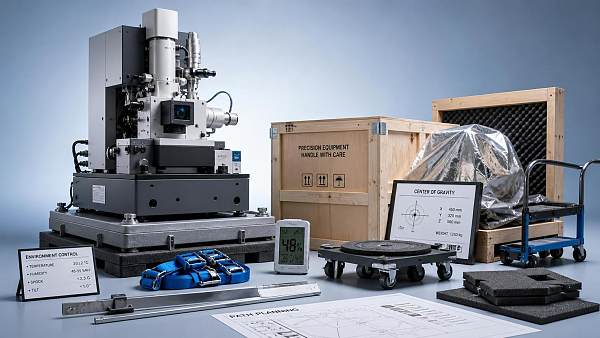
 精密设备搬迁如何避免损坏?关键环节与防护要求解析
 南京机房搬迁为何多选夜间窗口,停机风险怎么控
 精密仪器搬运看哪些参数,减震方案不是唯一标准
![]() 南京实验室搬迁全流程解析 | 艺搬商务搬家精密设备零误差迁移方案
南京实验室搬迁全流程解析 | 艺搬商务搬家精密设备零误差迁移方案 南京机房搬家怎么降风险:断电切换与数据备份顺序
 欧盟REACH新规8月起要求商务搬迁设备申报含物质
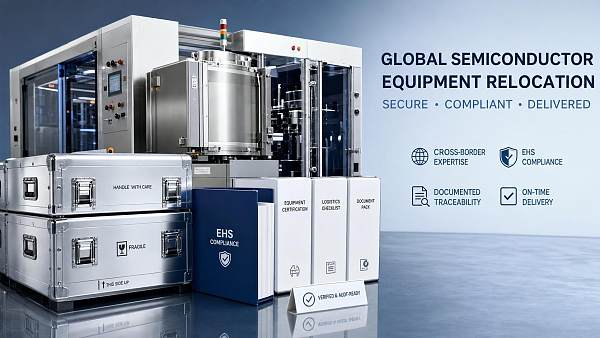
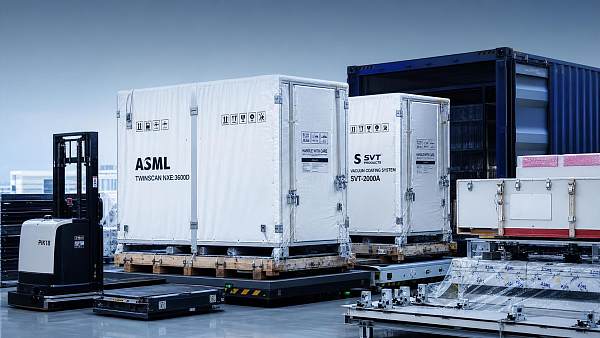
 半导体设备搬迁订单Q2增67%,中国服务商占比升至38%
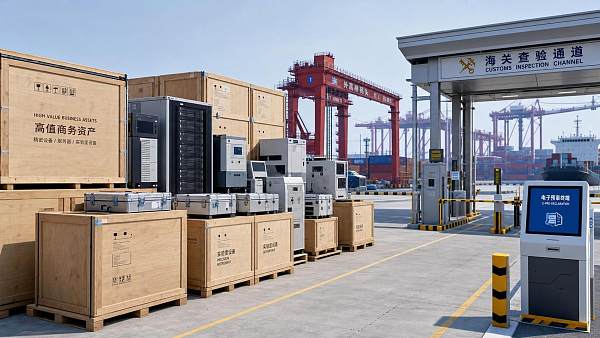
 外高桥港试点高值商务资产绿色通道
 半导体设备搬迁订单增长折射合规服务竞争
 半导体设备搬迁升温,中国服务出口额Q2增67%
 高端制造搬迁升温:Q2中国订单同比增53%,半导体设备占比突出
 Q2中国半导体设备搬迁订单同比增53%
 东南亚办公设备搬迁保险门槛上调
 UL 62841-2-52更新提高IT设备搬迁振动测试阈值
 远东北欧航线调整配载规则,商务设备交付稳定性受关注
 南京传媒公司办公室搬迁案例_艺搬商务一站式企业搬迁服务
 南京家居公司整体搬迁案例_艺搬商务助力加多多家居零中断乔迁
 南京半导体公司整体搬迁案例_南京芯惠半导体搬迁服务_艺搬商务搬家
 南京传媒公司办公室搬迁案例_南京维仁传媒搬迁全程服务_艺搬商务搬家
 南京珠宝艺术品搬迁案例_龙音珠宝全程无损搬迁_艺搬商务搬家
 南京智能设备公司搬迁案例|佛山市道恩智能设备办公室搬迁服务
 南京律所办公室搬迁案例|律师事务所办公搬迁服务
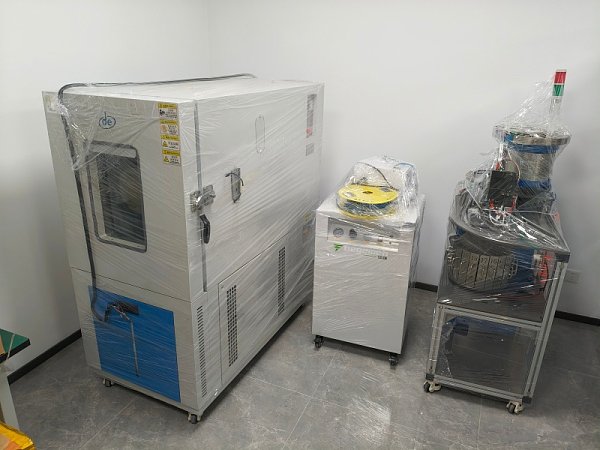
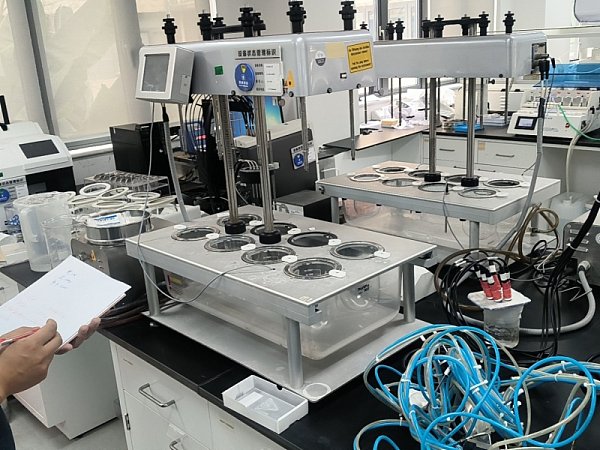
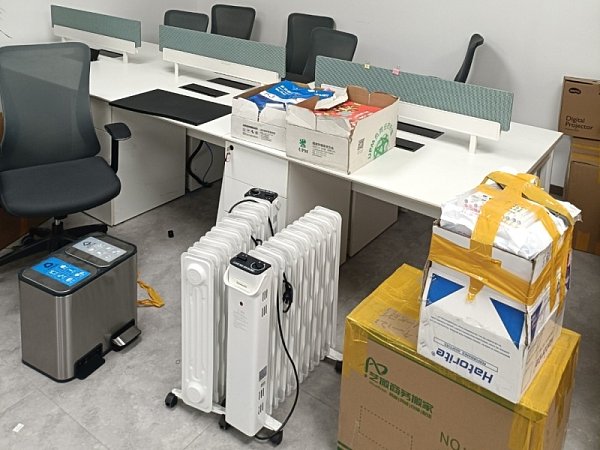
 南京艺搬商务圆满完成江苏省农垦产业技术研究院实验室搬迁项目
 南京国企办公室搬迁案例|江苏凤凰资产办公搬迁服务
















留言
如果您对我们的产品感兴趣,并想了解更多细节,请在这里留言,我们将尽快回复您。
请给我们留言
联系我们
南京市雨花区花神庙10号
免费热线:400-880-5202
电子邮件:move@njyiban.com
商务合作:biz@njyiban.com
单位搬迁专属报价单
专注写字楼/产业园整体搬迁 · 一站式智能报价