企业级搬迁服务商
零中断・强保障・成功案例可鉴
20年专注商务搬家,服务超过1000+家企业,见证每一次完美迁移
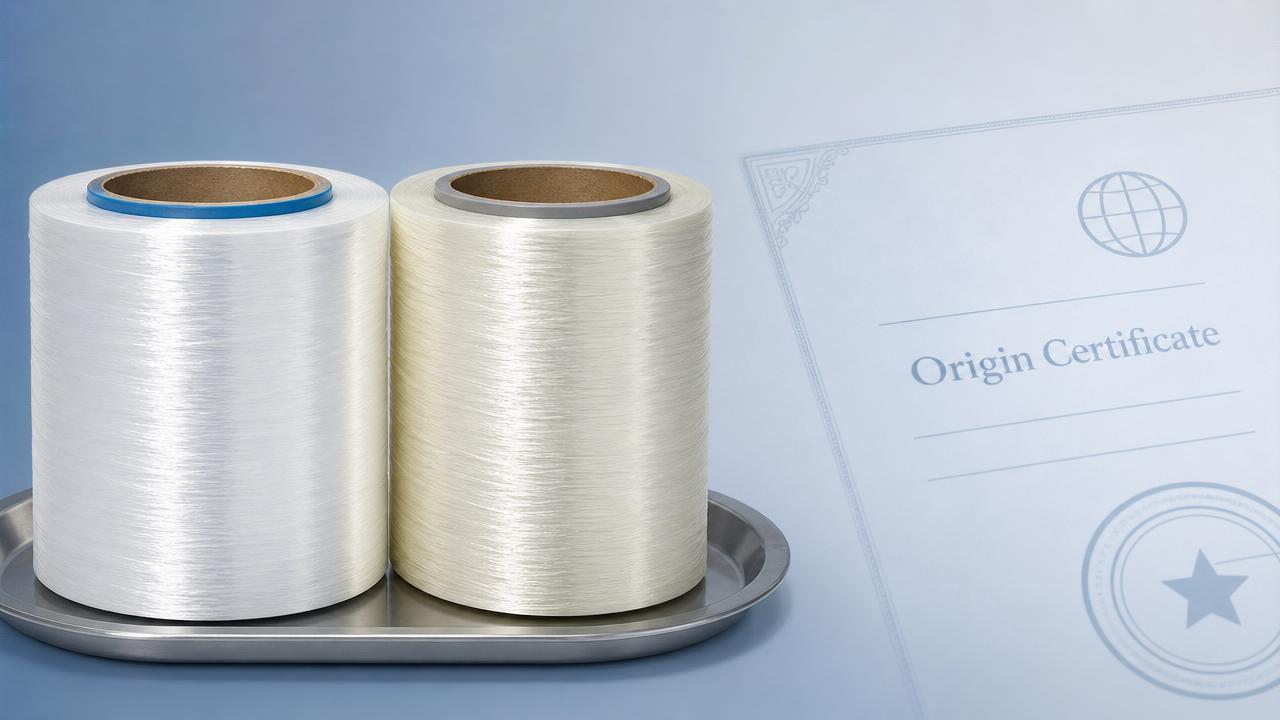
On May 6, 2026, Turkey’s Ministry of Trade initiated an anti-circumvention investigation targeting polyester filament and nylon filament originating from China. The probe focuses on potential re-routing through third countries and may lead to additional duties of 30%–40%, directly affecting textile supply chain stability and compliance certification requirements globally.
Factual Summary of the Investigation
On May 6, 2026, Turkey’s Ministry of Trade formally launched an anti-circumvention investigation concerning polyester filament and nylon filament products originating from China. If the investigation concludes that circumvention has occurred—such as through transshipment via third countries—additional duties ranging from 30% to 40% will be imposed. The scope includes exporters based in Shanxi Province and other regions of China, with particular attention to textile intermediates routed internationally before entry into Turkey.
Impacts Across Supply Chain Roles
Direct Exporters
Exporters shipping polyester or nylon filament to Turkey—or indirectly via third countries—face heightened customs scrutiny and potential duty liability. Their export declarations, origin documentation, and logistics routing must now withstand rigorous verification under Turkish trade enforcement protocols.
Raw Material Procurement Entities
Buyers sourcing filament for downstream textile production must reassess supplier origin transparency and traceability. Increased duty risk may trigger demand for enhanced origin certification, such as verified certificates of origin (Form A or equivalent), and stricter contractual clauses on liability for tariff exposure.
Manufacturing Firms Using Imported Filament
Textile converters and fabric producers relying on Chinese filament inputs may encounter cost volatility and procurement delays. Sourcing strategies may shift toward dual-sourcing or pre-emptive stockpiling, while internal compliance teams must align procurement records with evolving Turkish customs evidentiary standards.
Supply Chain Service Providers
Freight forwarders, customs brokers, and trade compliance consultants are expected to strengthen due diligence on transshipment patterns, documentation integrity, and country-of-origin substantiation. Services related to tariff classification verification, origin audits, and customs valuation support are likely to see rising demand.
Key Compliance Priorities and Response Measures
Strengthen Origin Documentation and Traceability
Enterprises must verify full upstream traceability—from polymer production to final filament shipment—including bills of lading, invoices, and processing records across all jurisdictions involved. Third-country transshipment points require explicit justification and documentary consistency.
Review Certification Requirements for Turkish Market Access
Compliance with Turkish standards (e.g., TSE certifications) and conformity assessment procedures is now more critical. Companies should proactively validate whether existing product certifications cover post-investigation import conditions and whether updated technical documentation meets Turkish customs’ evidentiary expectations.
Assess and Mitigate Export Duty Exposure
Exporters and importers should conduct scenario-based duty impact assessments—especially for shipments routed through intermediary countries—and explore alternative trade routes or origin-neutral sourcing options where feasible, without compromising regulatory compliance.
Update Supplier Qualification Protocols
Procurement departments must integrate anti-circumvention risk criteria into supplier vetting—including audit rights, origin declaration obligations, and contractual indemnity clauses—particularly for suppliers engaged in multi-jurisdictional logistics networks.
Industry Observation: Rising Compliance Thresholds in Textile Trade
Analysis shows that this investigation reflects a broader trend: trade authorities increasingly treat transshipped textile intermediates as high-risk categories for duty evasion. From an industry perspective, what deserves closer attention is not only the immediate tariff exposure but also the growing expectation for end-to-end origin transparency—extending beyond factory-level certification to include logistics, warehousing, and value-add activities across borders. This raises compliance costs, extends lead times for documentation validation, and accelerates the need for digital traceability systems among upstream suppliers.
Strategic Implications for Global Textile Sourcing
This development underscores that origin integrity is no longer a procedural formality—it is a core component of supply chain resilience. While the outcome of the investigation remains pending, its initiation signals intensified scrutiny of indirect trade flows involving synthetic filament. Stakeholders should treat it as a catalyst for systemic review—not just of Turkish-bound shipments, but of global compliance architecture for intermediate textile goods.
Source Information and Verification Notes
This article is generated exclusively from the user-provided information: title, event date (May 6, 2026), and summary description. Specific official source links were not provided in the input and should be verified continuously. Ongoing monitoring is recommended for the Turkish Ministry of Trade’s official notices, detailed investigation timelines, final determination outcomes, and any subsequent updates to customs implementation guidelines or certification enforcement practices.
 南京办公室搬迁后网络怎么快速恢复
 南京办公室搬家保险有必要买吗
 南京搬办公室需要买搬家保险吗?金融与科技类企业采购决策时如何评估风险覆盖必要性
 艺搬搬家南京能不能处理服务器搬迁中的断电风险
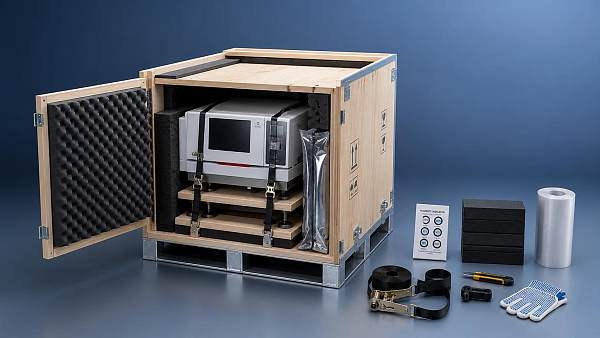
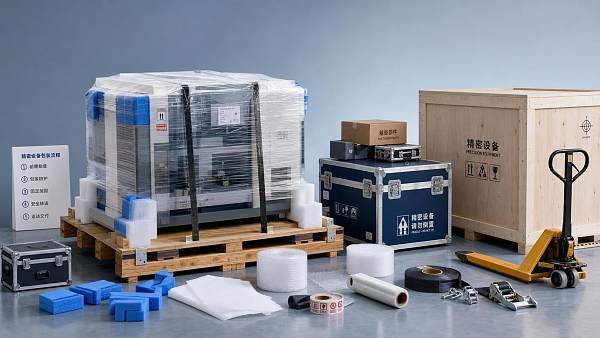
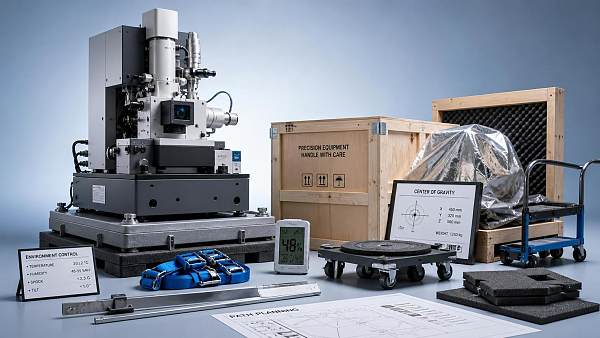
 南京搬家公司设备防护怎么判断是否达到精密仪器要求
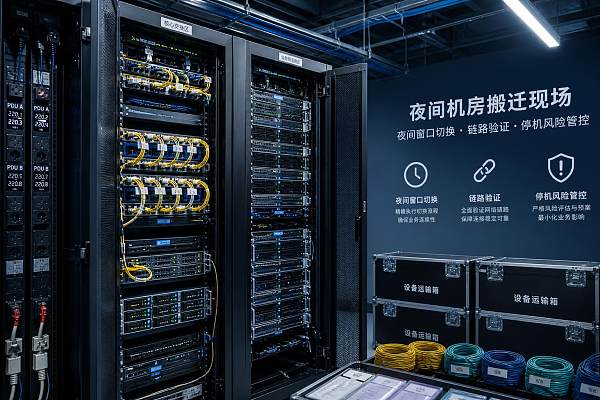
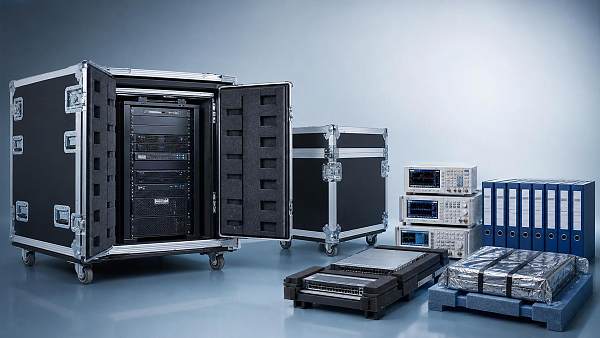
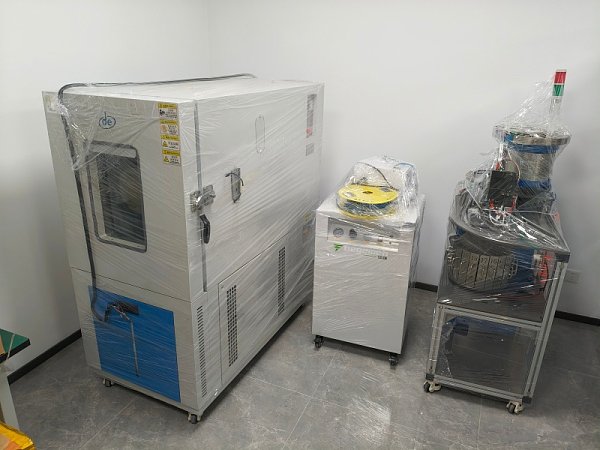
 南京机房搬迁服务怎么选?看懂停机风险与实施能力
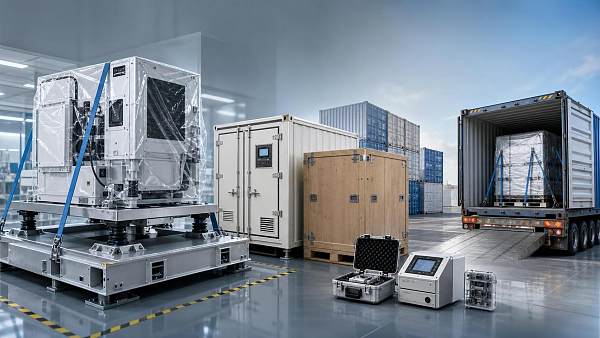
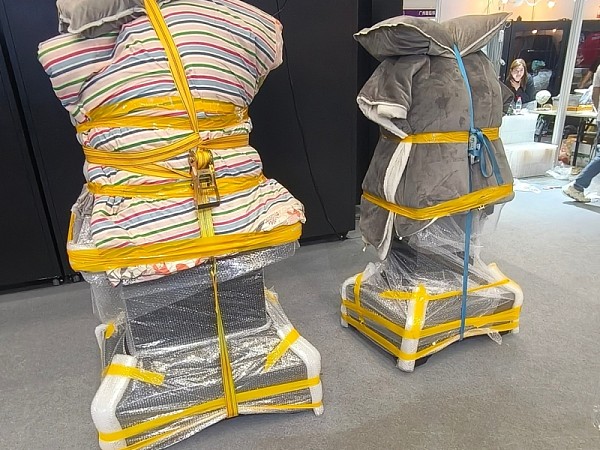
 精密设备搬迁如何避免损坏?关键环节与防护要求解析
 南京机房搬迁为何多选夜间窗口,停机风险怎么控
 精密仪器搬运看哪些参数,减震方案不是唯一标准
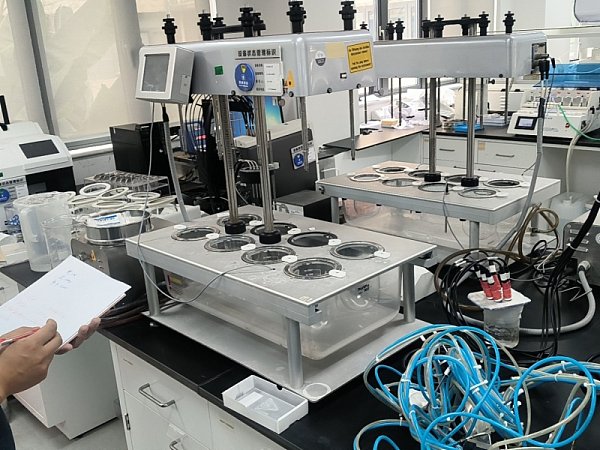
![]() 南京实验室搬迁全流程解析 | 艺搬商务搬家精密设备零误差迁移方案
南京实验室搬迁全流程解析 | 艺搬商务搬家精密设备零误差迁移方案 南京机房搬家怎么降风险:断电切换与数据备份顺序
 欧盟REACH新规8月起要求商务搬迁设备申报含物质
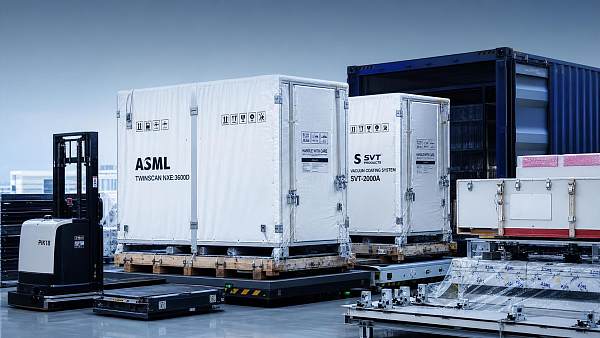
 半导体设备搬迁订单Q2增67%,中国服务商占比升至38%
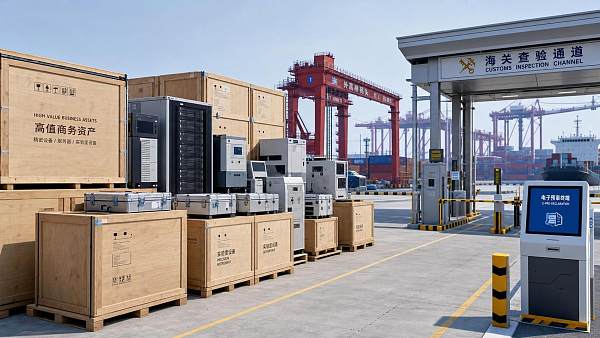
 外高桥港试点高值商务资产绿色通道
 半导体设备搬迁订单增长折射合规服务竞争
 半导体设备搬迁升温,中国服务出口额Q2增67%
 高端制造搬迁升温:Q2中国订单同比增53%,半导体设备占比突出
 Q2中国半导体设备搬迁订单同比增53%
 东南亚办公设备搬迁保险门槛上调
 UL 62841-2-52更新提高IT设备搬迁振动测试阈值
 远东北欧航线调整配载规则,商务设备交付稳定性受关注
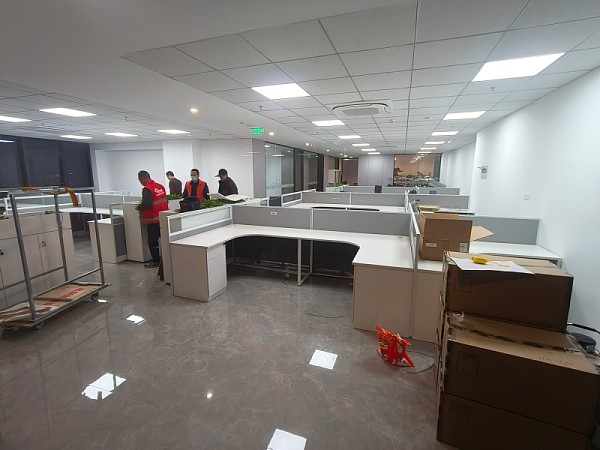
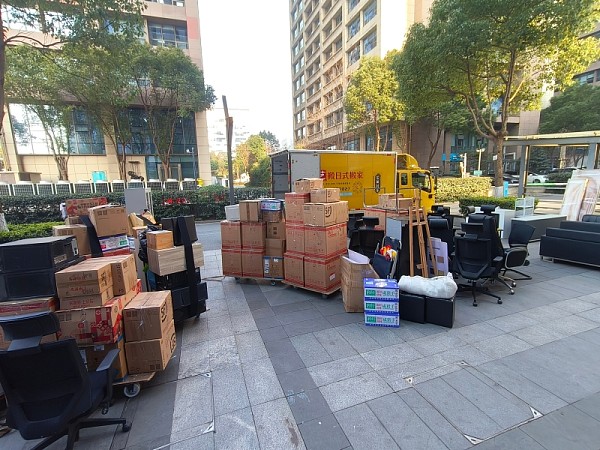
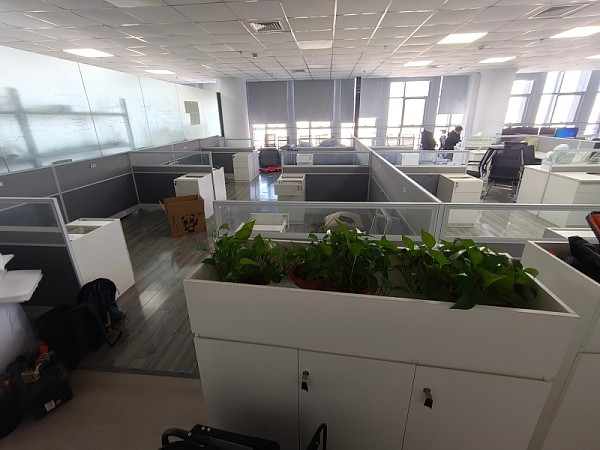
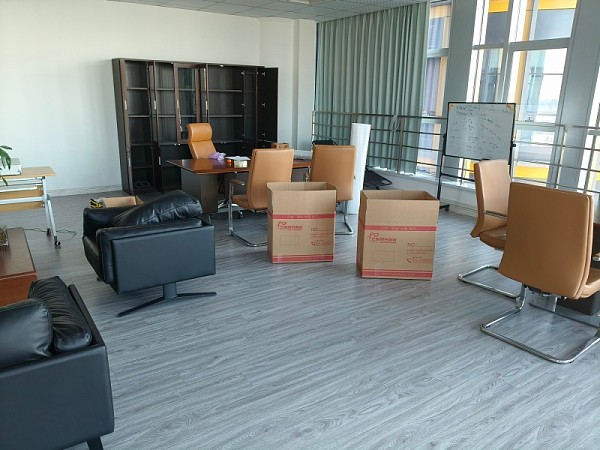
 南京传媒公司办公室搬迁案例_艺搬商务一站式企业搬迁服务
 南京家居公司整体搬迁案例_艺搬商务助力加多多家居零中断乔迁
 南京半导体公司整体搬迁案例_南京芯惠半导体搬迁服务_艺搬商务搬家
 南京传媒公司办公室搬迁案例_南京维仁传媒搬迁全程服务_艺搬商务搬家
 南京珠宝艺术品搬迁案例_龙音珠宝全程无损搬迁_艺搬商务搬家
 南京智能设备公司搬迁案例|佛山市道恩智能设备办公室搬迁服务
 南京律所办公室搬迁案例|律师事务所办公搬迁服务
 南京艺搬商务圆满完成江苏省农垦产业技术研究院实验室搬迁项目
 南京国企办公室搬迁案例|江苏凤凰资产办公搬迁服务











留言
如果您对我们的产品感兴趣,并想了解更多细节,请在这里留言,我们将尽快回复您。
请给我们留言
联系我们
南京市雨花区花神庙10号
免费热线:400-880-5202
电子邮件:move@njyiban.com
商务合作:biz@njyiban.com
单位搬迁专属报价单
专注写字楼/产业园整体搬迁 · 一站式智能报价