企业级搬迁服务商
零中断・强保障・成功案例可鉴
20年专注商务搬家,服务超过1000+家企业,见证每一次完美迁移





The exact event date was not specified; however, on May 22, 2026, China’s Ministry of Commerce announced coordinated efforts with the United States to optimize the agricultural trade environment. This development directly affects global agri-food exporters, importers, and supply chain stakeholders due to its implications for market access, regulatory alignment, and cross-border logistics efficiency.
Confirmed Policy Coordination Announced
On May 22, 2026, China’s Ministry of Commerce stated it would work jointly with U.S. authorities to improve the agricultural trade framework. Key agreed-upon areas include mutual recognition of phytosanitary and veterinary inspection outcomes, customs clearance facilitation, and ongoing negotiations on market access conditions. No additional implementation timelines, regulatory texts, or bilateral agreement names were disclosed in the official statement.
Impact Across Supply Chain Roles
Direct Trading Enterprises
Exporters and importers engaged in U.S.–China agricultural commodity flows face revised operational expectations. Mutual recognition of inspections may reduce redundant testing and documentation delays, particularly for perishable goods. Companies must monitor evolving certification requirements and verify whether existing export licenses or health certificates will be accepted under new reciprocity arrangements.
Raw Material Procurement Firms
Firms sourcing U.S. soybeans, wheat, or dairy ingredients for downstream processing may experience improved predictability in delivery windows and cost stability. However, procurement teams need to assess whether newly negotiated market access terms apply to specific product categories—and whether parallel standards (e.g., pesticide residue limits or labeling rules) remain aligned across jurisdictions.
Food Processing Manufacturers
Manufacturers relying on imported U.S. agricultural inputs may benefit from shorter lead times and reduced compliance overhead. Yet they must verify that updated inspection protocols do not introduce new traceability or documentation obligations—for example, digital health certificate submissions or batch-level certification linkage.
Supply Chain Service Providers
Custodians, freight forwarders, and customs brokers must adapt to potential changes in documentation workflows, such as streamlined electronic submission systems or harmonized data fields for sanitary certificates. Their ability to support clients hinges on timely integration with updated national single-window platforms and inter-agency data-sharing mechanisms.
Key Operational Priorities for Businesses
Review Certification and Regulatory Alignment
Companies should audit current phytosanitary, veterinary, and labeling certifications against anticipated reciprocity scopes. Particular attention is warranted for products subject to dual-country inspection regimes—e.g., meat, fruits, and nuts—where mutual recognition could eliminate redundant testing but requires formal inclusion in bilateral annexes.
Update Sourcing and Inventory Planning
Given the signal of renewed strategic engagement, firms should reassess long-term supply commitments, including contract durations, minimum order volumes, and contingency plans for third-country alternatives. Adjustments may be needed if U.S. suppliers revise pricing or volume guarantees based on improved market access confidence.
Prepare for Evolving Documentation Standards
Customs facilitation measures likely entail standardized digital certificate formats, common data elements, and interoperable verification portals. Exporters and importers must ensure ERP and logistics software can generate and validate these documents—especially where electronic signatures or blockchain-based attestations are introduced.
Industry Observation: Beyond Bilateral Signals
Analysis shows this coordination is less about immediate tariff shifts and more about rebuilding institutional trust in technical regulatory processes. From an industry perspective, the emphasis on inspection mutual recognition suggests a shift toward outcome-based compliance—where equivalence of regulatory objectives matters more than procedural uniformity. What deserves closer attention is how this model may influence other regional partnerships: Southeast Asian and Latin American exporters have explicitly been cited as potential beneficiaries, implying that multilateral regulatory benchmarking could accelerate. Observably, such developments tend to compress supply chain validation cycles—but only if domestic implementing agencies publish clear administrative guidance without delay.
Strategic Significance and Forward Outlook
This initiative signals a recalibration—not a reversal—of recent trade friction dynamics. Its value lies not in unilateral concessions but in establishing predictable, rules-based pathways for agricultural trade continuity. For global suppliers, it underscores that regulatory interoperability is increasingly a prerequisite for market participation, not merely a competitive advantage. A measured interpretation recognizes that tangible impact depends on implementation fidelity, transparency of operational guidelines, and consistency across port-level enforcement.
Source Attribution and Verification Notes
This article was generated exclusively from the user-provided title, event date reference (May 22, 2026), and summary text. Specific official source links were not provided in the input and should be verified continuously. Stakeholders are advised to track updates from China’s General Administration of Customs, the U.S. Department of Agriculture’s Foreign Agricultural Service, and bilateral working group announcements. Ongoing monitoring is recommended for detailed implementation rules, certification acceptance lists, and sector-specific guidance documents as they become available.
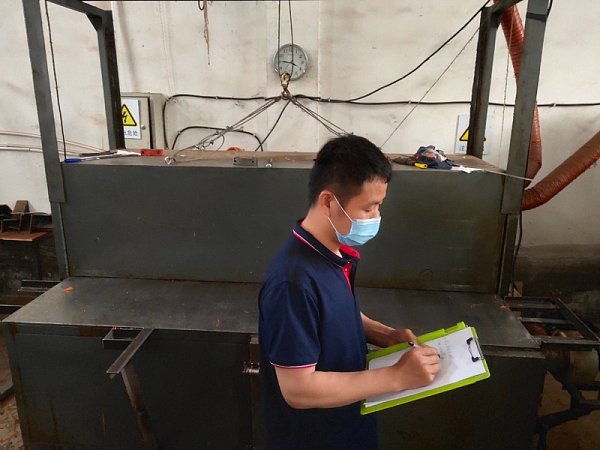
 南京办公室搬迁后网络怎么快速恢复
 南京办公室搬家保险有必要买吗
 南京搬办公室需要买搬家保险吗?金融与科技类企业采购决策时如何评估风险覆盖必要性
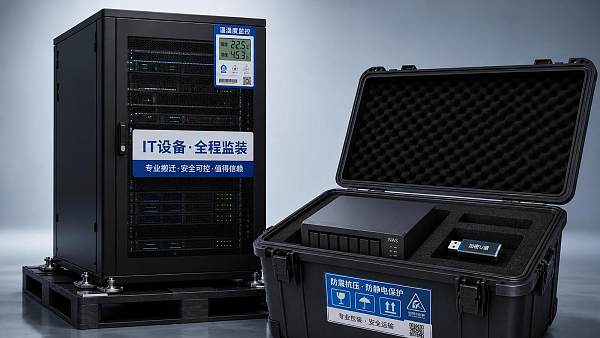
 艺搬搬家南京能不能处理服务器搬迁中的断电风险
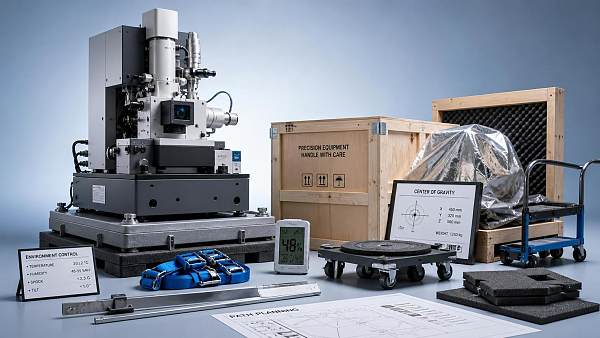
 南京搬家公司设备防护怎么判断是否达到精密仪器要求
 南京机房搬迁服务怎么选?看懂停机风险与实施能力
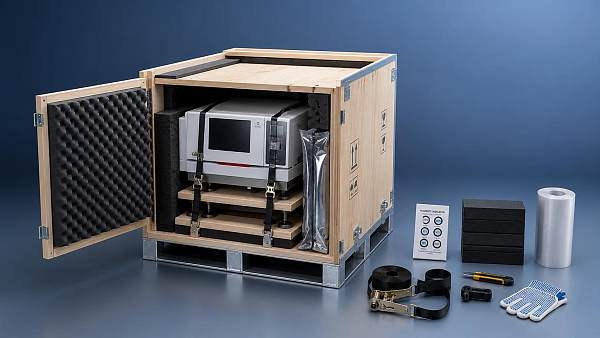
 精密设备搬迁如何避免损坏?关键环节与防护要求解析
 南京机房搬迁为何多选夜间窗口,停机风险怎么控
 精密仪器搬运看哪些参数,减震方案不是唯一标准
![]() 南京实验室搬迁全流程解析 | 艺搬商务搬家精密设备零误差迁移方案
南京实验室搬迁全流程解析 | 艺搬商务搬家精密设备零误差迁移方案 南京机房搬家怎么降风险:断电切换与数据备份顺序
 欧盟REACH新规8月起要求商务搬迁设备申报含物质
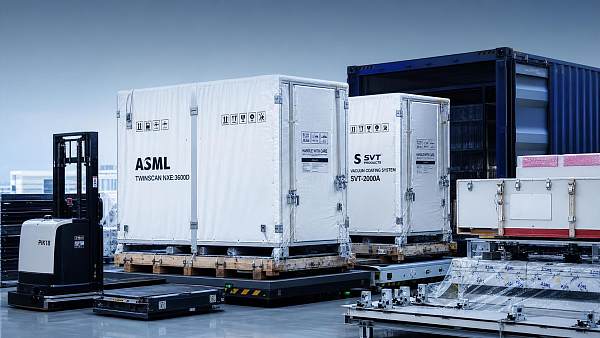
 半导体设备搬迁订单Q2增67%,中国服务商占比升至38%
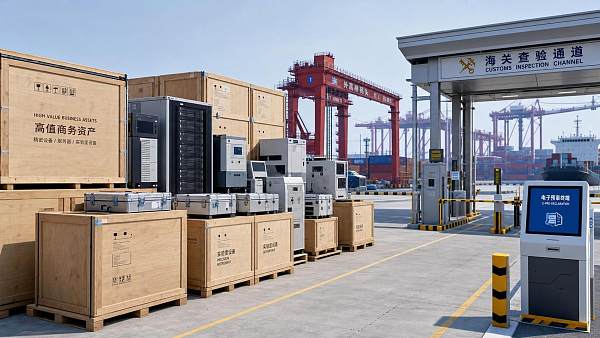
 外高桥港试点高值商务资产绿色通道
 半导体设备搬迁订单增长折射合规服务竞争
 半导体设备搬迁升温,中国服务出口额Q2增67%
 高端制造搬迁升温:Q2中国订单同比增53%,半导体设备占比突出
 Q2中国半导体设备搬迁订单同比增53%
 东南亚办公设备搬迁保险门槛上调
 UL 62841-2-52更新提高IT设备搬迁振动测试阈值
 远东北欧航线调整配载规则,商务设备交付稳定性受关注
 南京传媒公司办公室搬迁案例_艺搬商务一站式企业搬迁服务
 南京家居公司整体搬迁案例_艺搬商务助力加多多家居零中断乔迁
 南京半导体公司整体搬迁案例_南京芯惠半导体搬迁服务_艺搬商务搬家
 南京传媒公司办公室搬迁案例_南京维仁传媒搬迁全程服务_艺搬商务搬家
 南京珠宝艺术品搬迁案例_龙音珠宝全程无损搬迁_艺搬商务搬家
 南京智能设备公司搬迁案例|佛山市道恩智能设备办公室搬迁服务
 南京律所办公室搬迁案例|律师事务所办公搬迁服务
 南京艺搬商务圆满完成江苏省农垦产业技术研究院实验室搬迁项目
 南京国企办公室搬迁案例|江苏凤凰资产办公搬迁服务




















留言
如果您对我们的产品感兴趣,并想了解更多细节,请在这里留言,我们将尽快回复您。
请给我们留言
联系我们
南京市雨花区花神庙10号
免费热线:400-880-5202
电子邮件:move@njyiban.com
商务合作:biz@njyiban.com
单位搬迁专属报价单
专注写字楼/产业园整体搬迁 · 一站式智能报价