企业级搬迁服务商
零中断・强保障・成功案例可鉴
20年专注商务搬家,服务超过1000+家企业,见证每一次完美迁移




Image placement plan: No images are scheduled for this article. The exact event date was not specified. Based on customs data covering the first four months of 2026, the sharp rise in foreign trade across the Yangtze River Delta is drawing attention from exporters, equipment movers, manufacturers, and logistics providers, because stronger outbound shipments of electromechanical products and scientific instruments are coinciding with tighter access to special ocean freight capacity for cross-border relocation of business equipment.
Confirmed developments in regional trade and transport
According to customs data, the total import and export value of the Yangtze River Delta reached 6.14 trillion yuan in the first four months of 2026, representing year-on-year growth of 9.3%.
Within that trade structure, exports of electromechanical equipment and scientific instruments rose to 37% of the total.
The strong growth has extended booking lead times for special shipping space linked to cross-border movement of business equipment through the ports of Shanghai and Ningbo to 21 days.
Air freight priority has also shifted toward higher-value equipment.
How the change is affecting market participants
Export-oriented trading companies face tighter scheduling pressure
These companies are affected because a larger share of outbound trade is now concentrated in equipment-related categories that often require more careful transport planning. The impact is most visible in booking, dispatch coordination, and customer delivery commitments. They may need to pay closer attention to vessel space availability, cargo classification, and whether shipment timing still aligns with contract execution.
Procurement teams for materials and components may need earlier coordination
Procurement-focused businesses are affected indirectly when finished equipment export schedules become less flexible. The pressure appears in inbound material timing, inventory pacing, and synchronization with final assembly plans. They may need to watch for changes in supplier readiness, shipment staging, and document completion before cargo handover.
Processing and manufacturing firms may see longer pre-shipment preparation windows
Manufacturers are affected because stronger exports of electromechanical goods and scientific instruments can compress the time available between production completion and confirmed transport allocation. This may influence packing standards, factory release timing, testing document preparation, and final inspection arrangements. They may need to monitor whether delivery promises remain realistic under longer sea freight booking cycles.
Supply chain service providers are likely to manage more allocation complexity
Freight forwarders, relocation service firms, and related logistics operators are affected most directly by capacity tightness. The impact appears in customer booking management, mode selection, cargo prioritization, and exception handling when air freight preference shifts toward higher-value equipment. They may need to track changes in special-space availability, customer urgency grading, and service commitments for sensitive or oversized loads.
Priority issues for companies and practical responses
Recheck compliance files before booking special cargo space
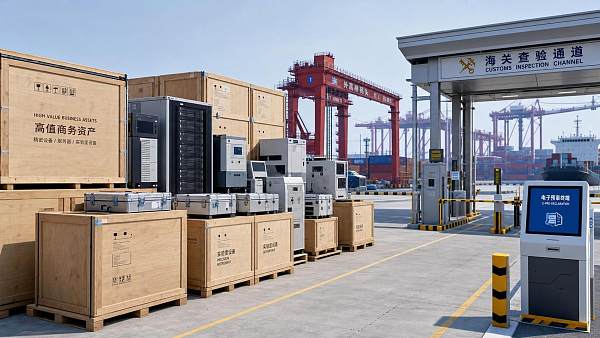
Where business equipment is moved across borders, companies should review whether cargo descriptions, equipment lists, technical documents, and any required conformity records are complete before booking. This is especially relevant when special shipping space is limited and carriers may apply stricter document review during allocation.
Align packing, specifications, and transport requirements earlier
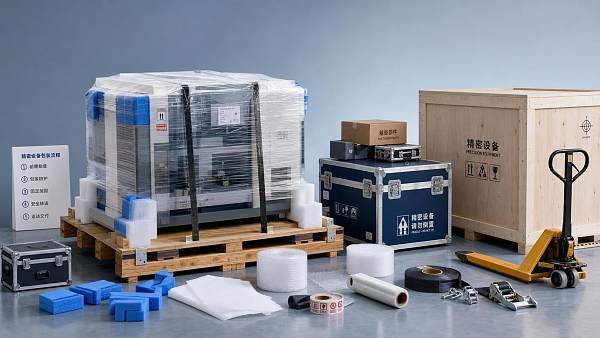
For electromechanical equipment and scientific instruments, companies should connect packaging methods, handling requirements, and technical specifications earlier in the shipment cycle. If sea freight space remains tight, incomplete alignment between cargo characteristics and transport conditions could lead to rebooking or dispatch delays.
Adjust procurement and delivery calendars to longer booking cycles
With booking lead times for relevant special ocean freight extending to 21 days, businesses should revisit procurement timing, production sequencing, and outbound delivery plans. A more front-loaded scheduling approach may reduce disruption where shipment deadlines depend on limited vessel space.
Prepare for value-based transport prioritization
Because air freight priority is moving toward higher-value equipment, firms shipping lower-value but operationally important items should review contingency planning. This can include earlier sea freight reservation, clearer cargo segmentation, and better internal rules for deciding which items justify expedited transport.
Industry observation: what deserves closer attention
From an industry perspective, this development is not only a transport issue but also a sign that trade growth is beginning to reshape execution rules across equipment export chains.
Analysis shows that when a greater share of exports is concentrated in electromechanical products and scientific instruments, logistics capacity is likely to become more selectively allocated. In practice, this can raise the importance of documentation quality, packaging compliance, and scheduling discipline, even without any newly announced regulation in the input information.
What deserves closer attention is the interaction between trade expansion and operational thresholds. Longer booking cycles for special sea freight and value-based prioritization in air transport may gradually push companies to upgrade internal controls over technical files, dispatch planning, and supplier coordination.
Observably, businesses that depend on cross-border relocation of commercial equipment may need to treat logistics preparation time as part of compliance readiness rather than as a final shipping step alone.
Measured conclusion for the sector
The current trade data point to strong momentum in the Yangtze River Delta, while the transport response shows that capacity pressure is already affecting how equipment-related shipments are arranged. For industry participants, the practical significance lies less in headline growth alone and more in the need to adapt booking, documentation, and delivery planning to tighter allocation conditions. It is more appropriate to understand this as an operational warning signal rather than a definitive long-term shift.
Source basis and follow-up points
This article was generated on the basis of the user-provided news title, event timing note, and event summary.
Relevant source types for events of this kind commonly include customs disclosures, port operating updates, carrier notices, civil aviation cargo arrangements, trade association briefings, tender documents, certification requirements, and industry feedback.
Specific official source links were not provided in the input and should be verified continuously.
Items that still require ongoing monitoring include any later implementation details, practical compliance interpretations, certification review expectations, changes in bidding or specification documents, port-side booking practices, and broader feedback from the logistics and manufacturing sectors.

 南京办公室搬迁后网络怎么快速恢复
 南京办公室搬家保险有必要买吗
 南京搬办公室需要买搬家保险吗?金融与科技类企业采购决策时如何评估风险覆盖必要性
 艺搬搬家南京能不能处理服务器搬迁中的断电风险
 南京搬家公司设备防护怎么判断是否达到精密仪器要求
 南京机房搬迁服务怎么选?看懂停机风险与实施能力
 精密设备搬迁如何避免损坏?关键环节与防护要求解析
 南京机房搬迁为何多选夜间窗口,停机风险怎么控
 精密仪器搬运看哪些参数,减震方案不是唯一标准
![]() 南京实验室搬迁全流程解析 | 艺搬商务搬家精密设备零误差迁移方案
南京实验室搬迁全流程解析 | 艺搬商务搬家精密设备零误差迁移方案 南京机房搬家怎么降风险:断电切换与数据备份顺序
 欧盟REACH新规8月起要求商务搬迁设备申报含物质
 半导体设备搬迁订单Q2增67%,中国服务商占比升至38%
 外高桥港试点高值商务资产绿色通道
 半导体设备搬迁订单增长折射合规服务竞争
 半导体设备搬迁升温,中国服务出口额Q2增67%
 高端制造搬迁升温:Q2中国订单同比增53%,半导体设备占比突出
 Q2中国半导体设备搬迁订单同比增53%
 东南亚办公设备搬迁保险门槛上调
 UL 62841-2-52更新提高IT设备搬迁振动测试阈值
 远东北欧航线调整配载规则,商务设备交付稳定性受关注
 南京传媒公司办公室搬迁案例_艺搬商务一站式企业搬迁服务
 南京家居公司整体搬迁案例_艺搬商务助力加多多家居零中断乔迁
 南京半导体公司整体搬迁案例_南京芯惠半导体搬迁服务_艺搬商务搬家
 南京传媒公司办公室搬迁案例_南京维仁传媒搬迁全程服务_艺搬商务搬家
 南京珠宝艺术品搬迁案例_龙音珠宝全程无损搬迁_艺搬商务搬家
 南京智能设备公司搬迁案例|佛山市道恩智能设备办公室搬迁服务
 南京律所办公室搬迁案例|律师事务所办公搬迁服务
 南京艺搬商务圆满完成江苏省农垦产业技术研究院实验室搬迁项目
 南京国企办公室搬迁案例|江苏凤凰资产办公搬迁服务










留言
如果您对我们的产品感兴趣,并想了解更多细节,请在这里留言,我们将尽快回复您。
请给我们留言
联系我们
南京市雨花区花神庙10号
免费热线:400-880-5202
电子邮件:move@njyiban.com
商务合作:biz@njyiban.com
单位搬迁专属报价单
专注写字楼/产业园整体搬迁 · 一站式智能报价