企业级搬迁服务商
零中断・强保障・成功案例可鉴
20年专注商务搬家,服务超过1000+家企业,见证每一次完美迁移
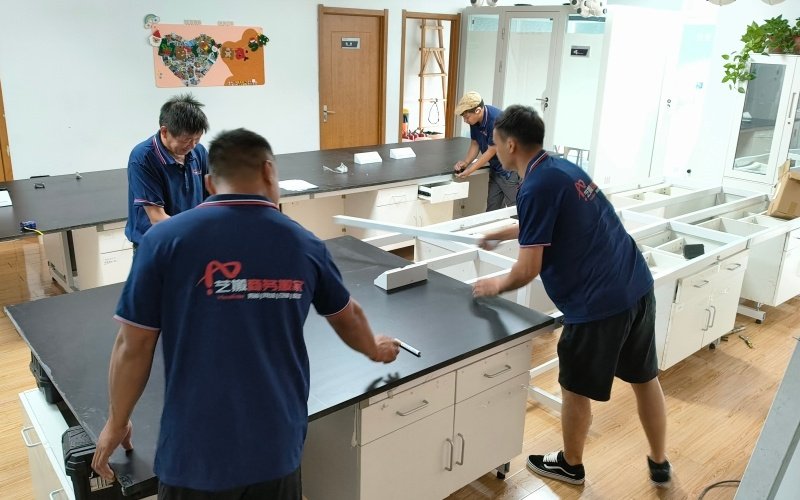
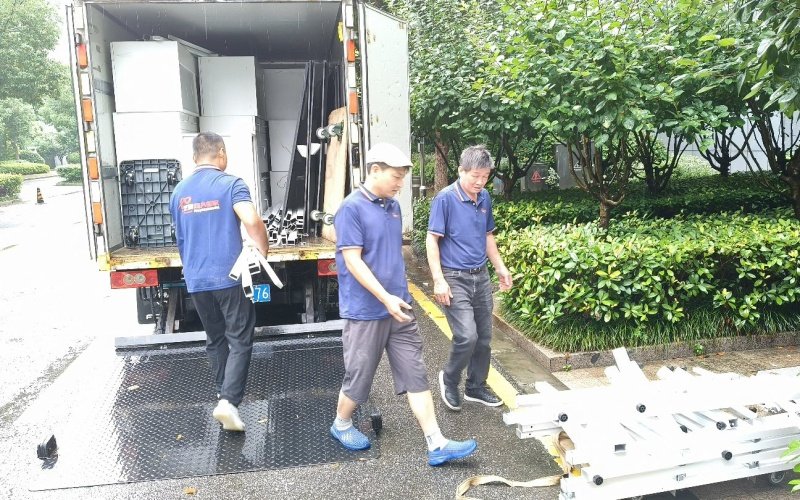
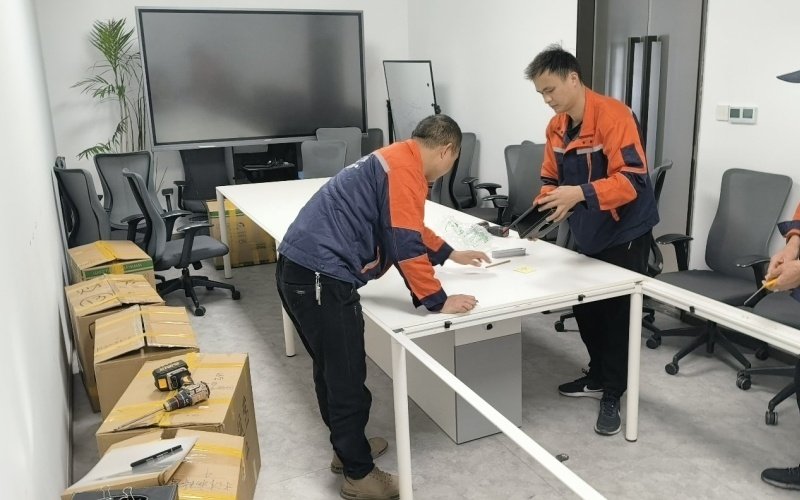
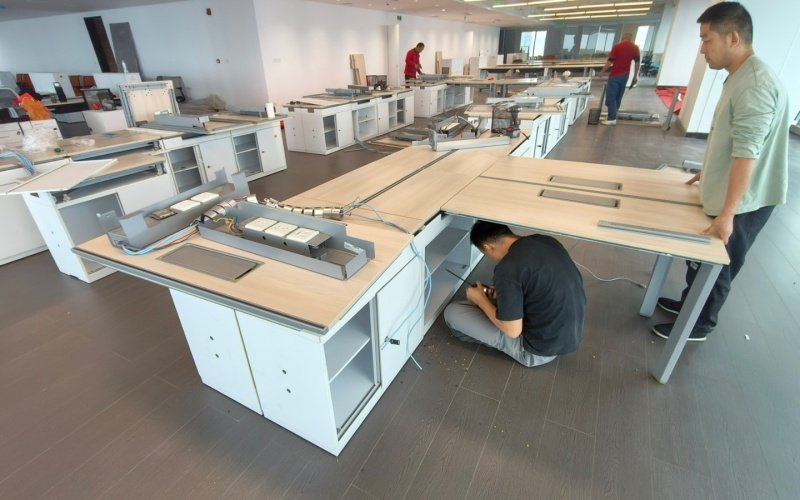
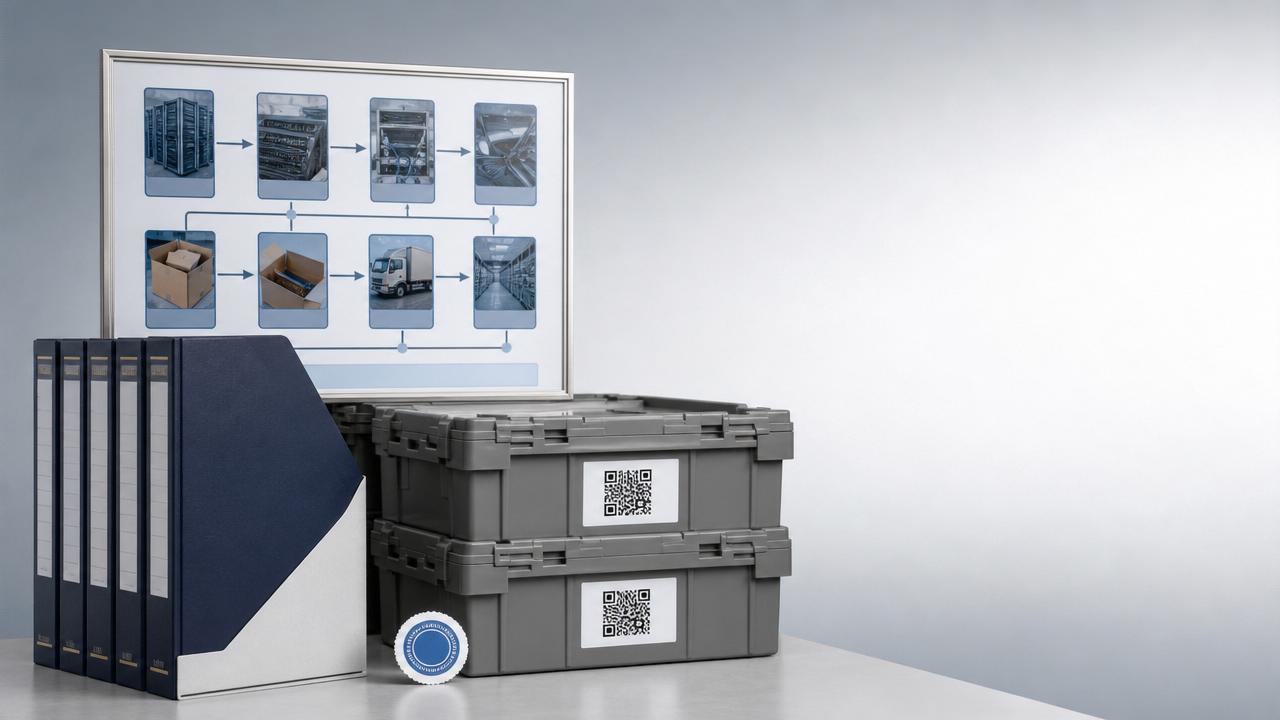
2026年4月23日,商务部与市场监管总局联合印发《服务贸易标准化工作行动计划(2026–2030年)》,首次将企业搬迁服务纳入重点标准化领域,并启动与ISO 20700国际服务管理体系标准的对接工作。该计划直接关联商务服务、跨境项目执行及区域合规能力建设,对专业服务提供商、跨国运营企业、第三方供应链服务商等细分主体具有实质性影响。
事件概述
2026年4月23日,商务部与国家市场监督管理总局联合发布《服务贸易标准化工作行动计划(2026–2030年)》。文件明确将‘企业搬迁服务’列为服务贸易标准化重点领域之一,提出推动搬迁方案设计、资产清点、IT系统迁移、跨区域协调等全流程标准建设,并启动与ISO 20700《国际服务管理体系——要求与使用指南》的对标工作。该计划旨在提升中国服务提供方在中东、东南亚及拉美等重点市场的投标资质认可度与合规可信度。
对哪些细分行业产生影响
专业服务提供商(含管理咨询、设施管理、IT迁移服务商)
企业搬迁服务标准化将直接影响其服务交付框架与合同履约依据。影响主要体现在:服务流程需适配ISO 20700中关于服务策划、资源配置、过程控制与持续改进的要求;投标文件中关于服务管理体系的描述将逐步成为资质审查刚性指标;跨区域项目执行需同步满足东道国监管要求与国内标准衔接要求。
跨国运营企业(含制造业、科技企业、金融机构区域总部)
此类企业是搬迁服务的实际采购方和最终责任主体。影响主要体现在:未来在境外新建/迁移办公场所或数据中心时,对服务商的ISO 20700合规能力将构成前置筛选条件;内部搬迁项目管理流程需同步升级以匹配标准化服务接口;合规审计与ESG报告中关于服务外包管理的部分将增加标准化响应维度。
第三方供应链与物流服务商(含综合搬迁承运商、资产清点外包机构、设备再部署服务商)
该类企业处于搬迁服务链条的执行末端。影响主要体现在:资产识别、包装、运输、安装等环节的操作规范将被纳入统一标准体系;与主服务商之间的数据协同(如资产清单、时间轴、风险登记表)需符合标准化字段与交互协议;部分区域性服务商可能面临服务能力认证门槛提升压力。
相关企业或从业者应关注哪些重点、当前应如何应对
关注后续配套标准研制动态与试点城市名单
《行动计划》为纲领性文件,具体技术标准(如《企业搬迁服务流程规范》《跨区域搬迁协调指南》)尚待立项研制。企业应跟踪全国服务标准化技术委员会(SAC/TC 264)及地方商务主管部门发布的标准制修订计划与首批试点地区公告,避免仅依赖政策文本做业务预判。
区分ISO 20700的‘框架要求’与‘认证强制性’
ISO 20700为自愿性管理体系标准,不具法律强制效力。当前更值得关注的是其核心要素(如服务需求分析、服务级别协议SLA设计、变更控制机制)如何被转化为国内推荐性标准条款。企业不宜急于开展全体系认证,而应优先对照梳理现有服务流程缺口,尤其关注客户沟通记录、服务交付验证、服务连续性预案等易被审计环节。
提前评估重点出口市场的本地化适配需求
中东、东南亚及拉美市场对搬迁服务的监管侧重存在差异:例如阿联酋关注数据本地化与清关时效,越南强调劳动合规与环保处置,巴西重视资产估值与税务申报衔接。企业宜结合目标市场已有招标文件范本,识别高频出现的服务条款(如多语言文档交付、本地应急联络人配置),将其纳入服务标准预研范围。
建立服务流程与IT系统迁移模块的协同验证机制
《行动计划》特别强调IT系统迁移环节标准化。建议企业将现有ERP、CMMS或ITSM系统中的服务工单、资产台账、配置项(CI)关系图谱导出,对照ISO 20700第8.3条‘服务交付过程控制’进行映射测试,识别关键节点(如系统停机窗口确认、回滚方案审批路径)是否具备可追溯、可审计的数据留痕能力。
编辑观点 / 行业观察
Observably, this plan functions primarily as a policy signal rather than an immediate operational mandate. Its significance lies not in immediate compliance deadlines, but in the institutionalization of service process rigor across a previously fragmented sector. The inclusion of enterprise relocation—distinct from general logistics or facility management—marks a shift toward standardizing complex, knowledge-intensive service bundles. From an industry perspective, it reflects growing recognition that service trade competitiveness hinges on verifiable process discipline, not just cost or speed. Continuous monitoring is warranted, particularly for how national standards align with regional regulatory expectations in target markets.
Analysis shows that the linkage to ISO 20700 is strategic: it avoids reinventing frameworks and leverages existing global benchmarks for service governance. However, actual adoption pace will depend on certification body capacity, sector-specific interpretation guidance, and buyer-side enforcement—none of which are yet publicly defined.
Current attention should focus less on ‘certification readiness’ and more on ‘process transparency readiness’: can service providers clearly articulate, document, and verify each phase of relocation—not as internal SOPs, but as externally auditable, interoperable steps?
Conclusion: This initiative signals a maturing phase in China’s service trade infrastructure—one where procedural credibility becomes a tradable asset. It is neither a short-term compliance trigger nor a broad-sector overhaul, but a targeted calibration of high-value, cross-border service delivery. For now, it is best understood as a framework-setting step, with real-world impact contingent on subsequent standard development, market uptake, and international alignment progress.
Information source: Ministry of Commerce of the People’s Republic of China, State Administration for Market Regulation. Ongoing observation required for: (1) release timeline of specific technical standards under the Plan; (2) official list of pilot regions; (3) updates on ISO 20700 adoption guidance documents.
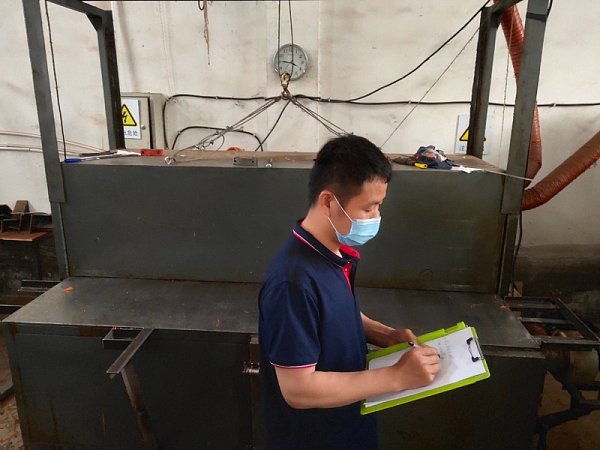
 南京办公室搬迁后网络怎么快速恢复
 南京办公室搬家保险有必要买吗
 南京搬办公室需要买搬家保险吗?金融与科技类企业采购决策时如何评估风险覆盖必要性
 艺搬搬家南京能不能处理服务器搬迁中的断电风险
 南京搬家公司设备防护怎么判断是否达到精密仪器要求
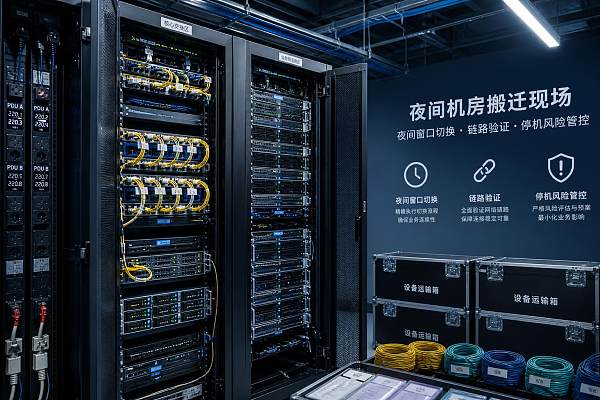
 南京机房搬迁服务怎么选?看懂停机风险与实施能力
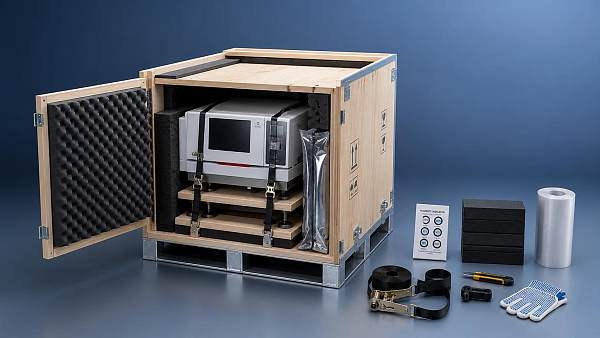
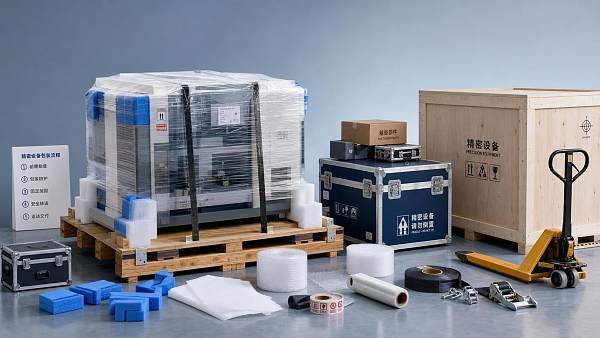
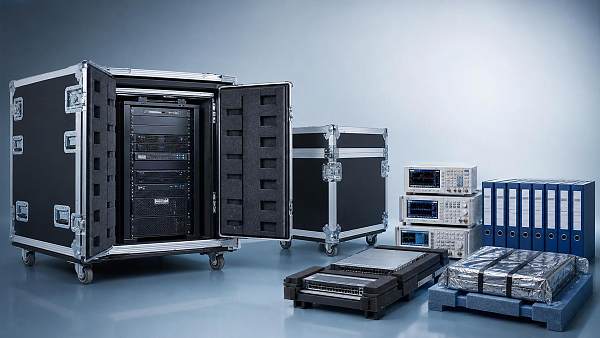
 精密设备搬迁如何避免损坏?关键环节与防护要求解析
 南京机房搬迁为何多选夜间窗口,停机风险怎么控
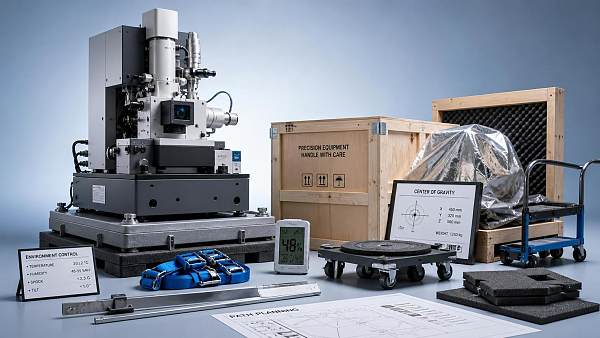
 精密仪器搬运看哪些参数,减震方案不是唯一标准
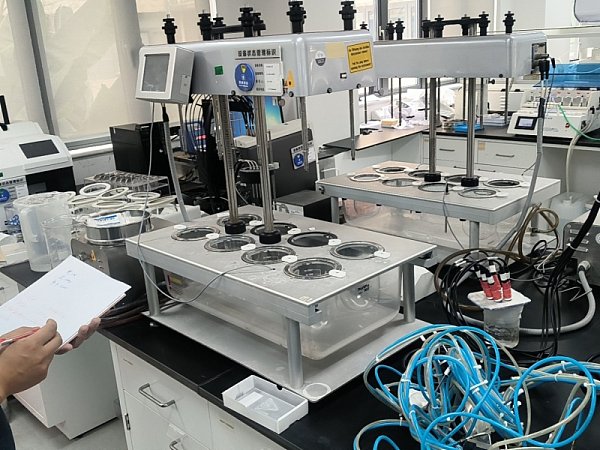
![]() 南京实验室搬迁全流程解析 | 艺搬商务搬家精密设备零误差迁移方案
南京实验室搬迁全流程解析 | 艺搬商务搬家精密设备零误差迁移方案 南京机房搬家怎么降风险:断电切换与数据备份顺序
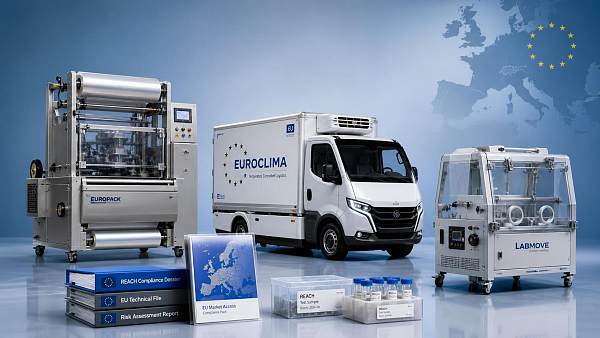
 欧盟REACH新规8月起要求商务搬迁设备申报含物质
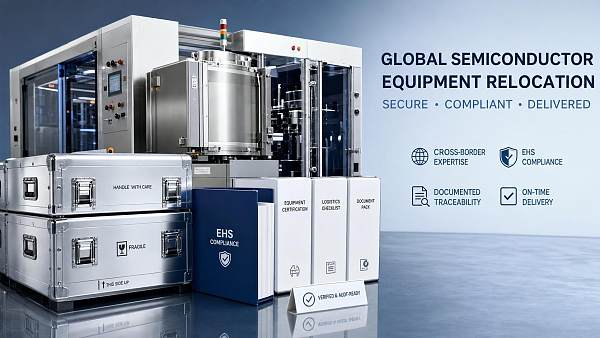
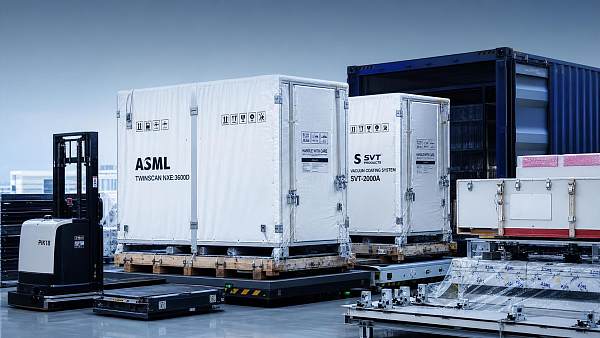
 半导体设备搬迁订单Q2增67%,中国服务商占比升至38%
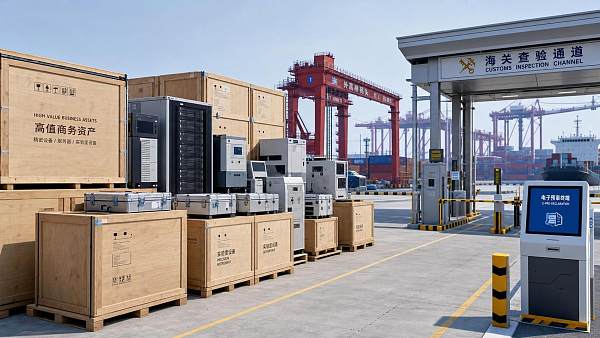
 外高桥港试点高值商务资产绿色通道
 半导体设备搬迁订单增长折射合规服务竞争
 半导体设备搬迁升温,中国服务出口额Q2增67%
 高端制造搬迁升温:Q2中国订单同比增53%,半导体设备占比突出
 Q2中国半导体设备搬迁订单同比增53%
 东南亚办公设备搬迁保险门槛上调
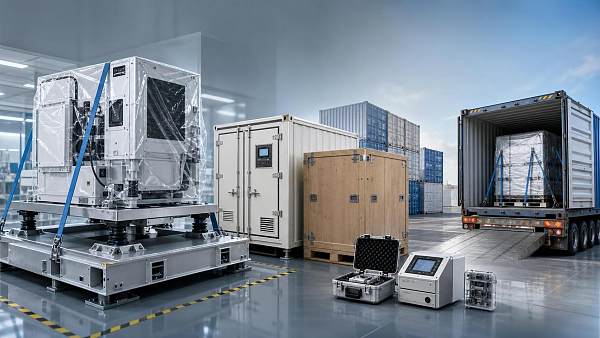
 UL 62841-2-52更新提高IT设备搬迁振动测试阈值
 远东北欧航线调整配载规则,商务设备交付稳定性受关注
 南京传媒公司办公室搬迁案例_艺搬商务一站式企业搬迁服务
 南京家居公司整体搬迁案例_艺搬商务助力加多多家居零中断乔迁
 南京半导体公司整体搬迁案例_南京芯惠半导体搬迁服务_艺搬商务搬家
 南京传媒公司办公室搬迁案例_南京维仁传媒搬迁全程服务_艺搬商务搬家
 南京珠宝艺术品搬迁案例_龙音珠宝全程无损搬迁_艺搬商务搬家
 南京智能设备公司搬迁案例|佛山市道恩智能设备办公室搬迁服务
 南京律所办公室搬迁案例|律师事务所办公搬迁服务
 南京艺搬商务圆满完成江苏省农垦产业技术研究院实验室搬迁项目
 南京国企办公室搬迁案例|江苏凤凰资产办公搬迁服务

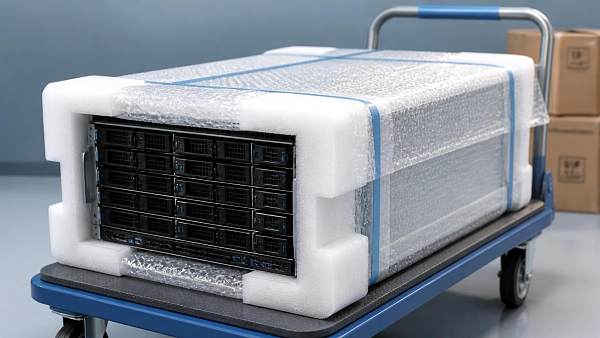
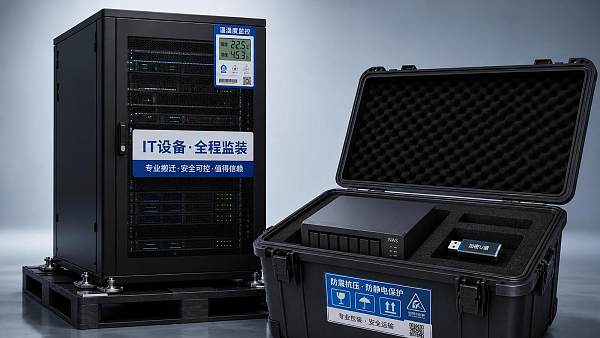









留言
如果您对我们的产品感兴趣,并想了解更多细节,请在这里留言,我们将尽快回复您。
请给我们留言
联系我们
南京市雨花区花神庙10号
免费热线:400-880-5202
电子邮件:move@njyiban.com
商务合作:biz@njyiban.com
单位搬迁专属报价单
专注写字楼/产业园整体搬迁 · 一站式智能报价