企业级搬迁服务商
零中断・强保障・成功案例可鉴
20年专注商务搬家,服务超过1000+家企业,见证每一次完美迁移

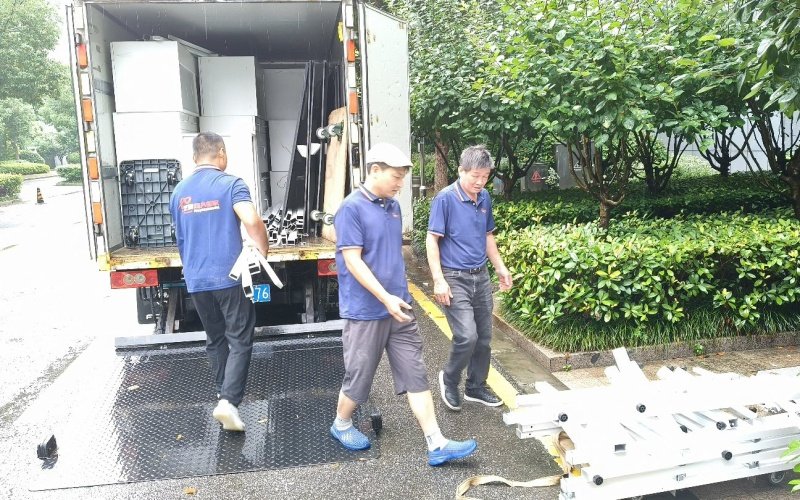
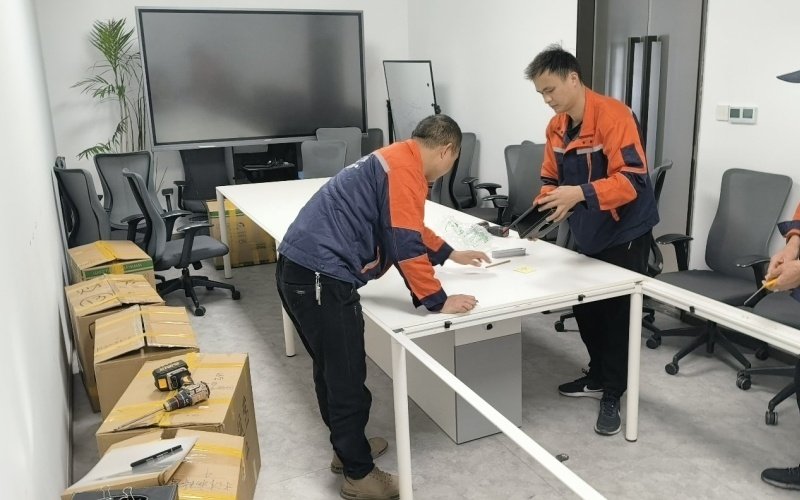
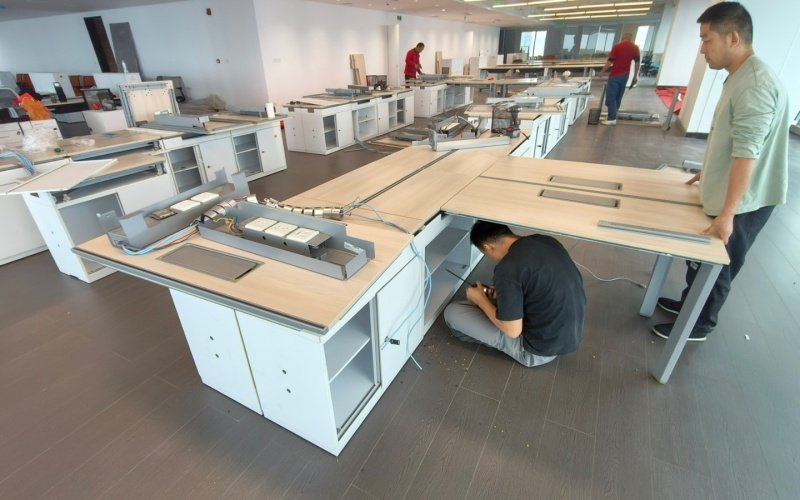

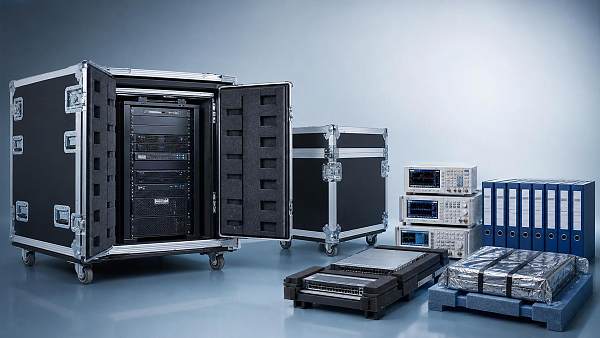
On May 21, 2026, the European Commission announced temporary anti-dumping duties of up to 50% on certain China-made high-strength alloy steel equipment packing cases, modular relocation pallets, and reinforced structural components. Because these products are widely used in international relocation projects for biopharmaceutical laboratories, precision instruments, and high-end manufacturing equipment, this development deserves close attention from equipment logistics, export packaging, and cross-border project delivery participants, especially as it is expected to affect quotations and delivery schedules starting in June.
Event Overview
According to the disclosed information, on May 21, 2026, the European Commission announced temporary anti-dumping duties on selected Chinese-made high-strength alloy steel products used in equipment packaging and transport support applications. The covered categories include high-strength alloy steel equipment crates, modular relocation pallets, and reinforced structural parts, with tariff rates reaching as high as 50%.
The currently confirmed public information also indicates that these products are commonly used in international relocation and transport projects involving biopharmaceutical laboratories, precision instruments, and high-end manufacturing equipment. The expected near-term impact, beginning in June, is pressure on delivery timelines and quotation structures.
Which Segments Are Affected
Export-oriented equipment packaging and crate suppliers
These businesses are the most directly exposed because the affected products are themselves equipment packing cases, modular pallets, and reinforced structural components. The impact is likely to show up first in export pricing, contract cost calculations, and product selection discussions with customers. From an industry perspective, suppliers serving EU-bound projects may face more frequent requests to revise quotations or explain cost changes item by item.
Biopharmaceutical laboratory relocation service providers
Biopharmaceutical laboratory moves often involve strict handling requirements for sensitive and high-value equipment. Because the affected steel-based transport and protection structures are used in such projects, the influence is not limited to packaging procurement alone. Analysis shows that project coordination, packing plan confirmation, and shipment timing may all come under pressure if packaging inputs become more expensive or require repricing before execution.
Precision instrument transport and project logistics companies
Precision instrument relocation depends heavily on transport stability and customized protective structures. When duties target steel equipment crates and reinforced support components, these logistics and project operators may need to revisit transport packaging assumptions already built into customer proposals. Observably, the immediate issue is less about broad market demand and more about whether existing project budgets and schedules remain workable under a changed quotation structure.
High-end manufacturing equipment exporters and integrators
For exporters and system integrators shipping complex equipment into Europe, packaging is a necessary part of project delivery rather than a standalone item. Because the announced duties apply to packaging-related steel products used in international relocation, the effect may extend into total landed cost discussions and delivery commitments. Current attention should be placed on whether packaging-related cost pressure alters final project margins or approval cycles for pending orders.
Supply chain and cross-border delivery coordination teams
Teams responsible for procurement, scheduling, and customer communication may also be affected even if they do not manufacture the packaging products themselves. The reason is straightforward: once tariffs begin to influence packaging input costs and lead times, downstream coordination becomes more complex. From an industry perspective, the main impact is on quotation validity periods, internal approval timing, and the need to align procurement and shipping plans more tightly.
What Companies and Practitioners Should Watch and How to Respond
Track official follow-up notices and scope details
Because the currently disclosed information refers to temporary anti-dumping duties and identifies certain product categories, companies should pay close attention to subsequent official wording, scope clarification, and implementation details. Analysis shows that for businesses handling EU-bound projects, practical impact often depends on how specific items are classified within real contracts and shipment documentation.
Review exposure by product category and project destination
It is more appropriate to assess current risk by checking which ongoing or upcoming projects involve the listed product types: high-strength alloy steel packing cases, modular relocation pallets, and reinforced structural parts. Businesses serving biopharmaceutical laboratories, precision instruments, and high-end manufacturing equipment should identify where EU delivery is involved and where quotations may need adjustment from June onward.
Separate policy signal from immediate operational impact
Current attention should focus on distinguishing between headline tariff rates and actual business exposure. Not every equipment shipment will be affected in the same way, and not every project will face the same timing pressure. Observably, a practical response is to recheck open quotations, pending approvals, and procurement assumptions rather than applying broad cost changes across all international projects at once.
Prepare procurement and customer communication plans in advance
For businesses already managing EU-related relocation or equipment delivery work, a near-term response should include reviewing packaging procurement schedules, confirming supplier lead times, and preparing clear customer communication on possible quotation or delivery adjustments. From an industry perspective, early clarification is especially important where packaging forms part of an integrated relocation or installation contract.
Editorial View / Industry Observation
Observably, this development is significant not only because of the tariff level, but because it targets steel products tied to high-value, specialized equipment movement rather than generic low-spec packaging alone. That makes the issue more relevant to project execution and cross-border delivery planning than to commodity trade discussion in isolation.
Analysis shows that the announcement currently looks both like a direct cost factor and a policy signal. It already points to possible changes in quotations and delivery cycles from June, yet the full business impact will depend on how widely the covered categories intersect with live EU-bound projects. In that sense, the market should not treat it as a distant policy headline, but neither should it assume identical consequences across all equipment export activities.
Current attention should remain on implementation and project-level transmission effects: whether tariff pressure stays concentrated at the packaging component level, or whether it begins to reshape scheduling, budgeting, and contract negotiation across specialized equipment relocation work.
In summary, the May 21 announcement matters because it may raise cost and timing pressure on steel-based equipment packaging used in European delivery and relocation projects. For businesses in biopharmaceutical lab moves, precision instrument transport, and high-end manufacturing equipment exports, the more practical reading is not simply that tariffs have increased, but that packaging-related assumptions inside project quotations may need to be reviewed quickly and carefully. It is more appropriate at this stage to understand the development as both an immediate operational consideration for some projects and a signal that continued monitoring is necessary.
Information Sources
Main source: information provided in the event brief, including the May 21, 2026 announcement by the European Commission on temporary anti-dumping duties of up to 50% on certain Chinese-made high-strength alloy steel equipment crates, modular relocation pallets, and reinforced structural components.
Items requiring continued observation: subsequent official statements, scope clarification, and how the announced measure affects quotations and delivery schedules from June in actual project execution.
 南京办公室搬迁后网络怎么快速恢复
 南京办公室搬家保险有必要买吗
 南京搬办公室需要买搬家保险吗?金融与科技类企业采购决策时如何评估风险覆盖必要性
 艺搬搬家南京能不能处理服务器搬迁中的断电风险
 南京搬家公司设备防护怎么判断是否达到精密仪器要求
 南京机房搬迁服务怎么选?看懂停机风险与实施能力
 精密设备搬迁如何避免损坏?关键环节与防护要求解析
 南京机房搬迁为何多选夜间窗口,停机风险怎么控
 精密仪器搬运看哪些参数,减震方案不是唯一标准
![]() 南京实验室搬迁全流程解析 | 艺搬商务搬家精密设备零误差迁移方案
南京实验室搬迁全流程解析 | 艺搬商务搬家精密设备零误差迁移方案 南京机房搬家怎么降风险:断电切换与数据备份顺序
 欧盟REACH新规8月起要求商务搬迁设备申报含物质
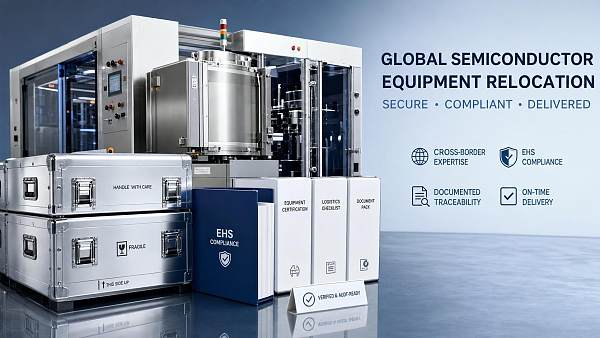
 半导体设备搬迁订单Q2增67%,中国服务商占比升至38%
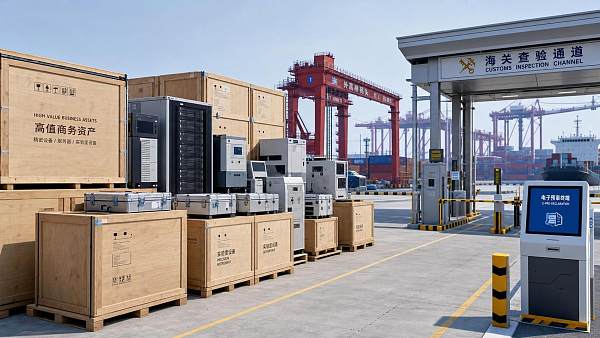
 外高桥港试点高值商务资产绿色通道
 半导体设备搬迁订单增长折射合规服务竞争
 半导体设备搬迁升温,中国服务出口额Q2增67%
 高端制造搬迁升温:Q2中国订单同比增53%,半导体设备占比突出
 Q2中国半导体设备搬迁订单同比增53%
 东南亚办公设备搬迁保险门槛上调
 UL 62841-2-52更新提高IT设备搬迁振动测试阈值
 远东北欧航线调整配载规则,商务设备交付稳定性受关注
 南京传媒公司办公室搬迁案例_艺搬商务一站式企业搬迁服务
 南京家居公司整体搬迁案例_艺搬商务助力加多多家居零中断乔迁
 南京半导体公司整体搬迁案例_南京芯惠半导体搬迁服务_艺搬商务搬家
 南京传媒公司办公室搬迁案例_南京维仁传媒搬迁全程服务_艺搬商务搬家
 南京珠宝艺术品搬迁案例_龙音珠宝全程无损搬迁_艺搬商务搬家
 南京智能设备公司搬迁案例|佛山市道恩智能设备办公室搬迁服务
 南京律所办公室搬迁案例|律师事务所办公搬迁服务
 南京艺搬商务圆满完成江苏省农垦产业技术研究院实验室搬迁项目
 南京国企办公室搬迁案例|江苏凤凰资产办公搬迁服务







留言
如果您对我们的产品感兴趣,并想了解更多细节,请在这里留言,我们将尽快回复您。
请给我们留言
联系我们
南京市雨花区花神庙10号
免费热线:400-880-5202
电子邮件:move@njyiban.com
商务合作:biz@njyiban.com
单位搬迁专属报价单
专注写字楼/产业园整体搬迁 · 一站式智能报价