企业级搬迁服务商
零中断・强保障・成功案例可鉴
20年专注商务搬家,服务超过1000+家企业,见证每一次完美迁移
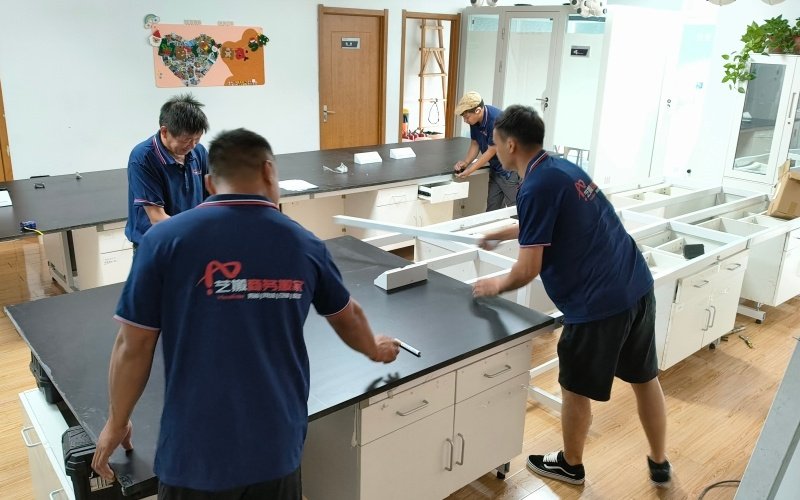
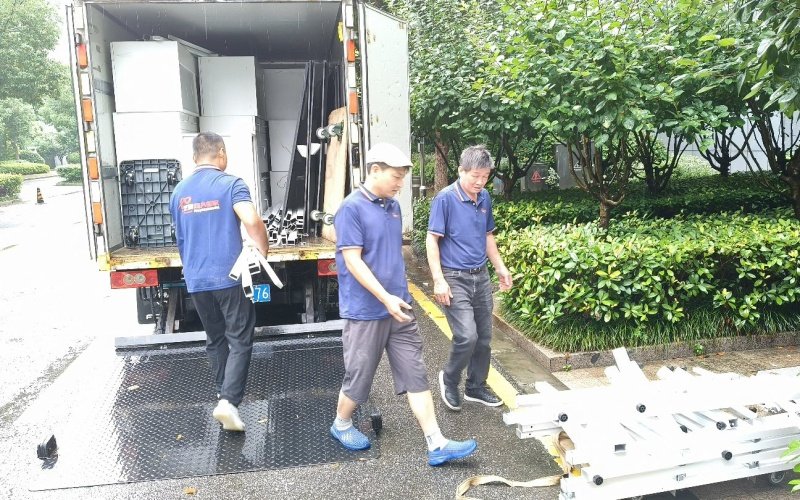
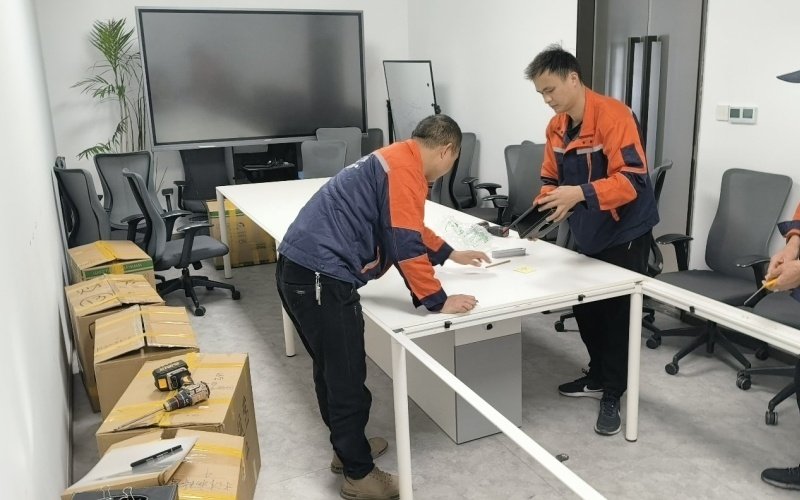
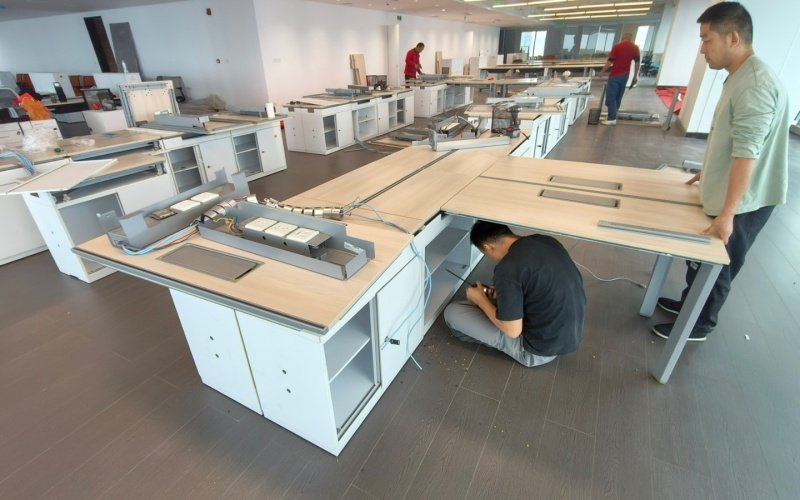

Image distribution plan: No image placeholders are included because the requested placeholder quantity is 0.
On April 24, 2026, the commerce ministry and five other departments issued the Service Trade Standardization Action Plan for 2026 to 2030, bringing business relocation services into the national standards framework for the first time. The move is relevant to cross-border corporate relocation, laboratory equipment transfer, and high-end manufacturing line dismantling and installation because it sets the direction for technical specifications and compliance requirements that overseas buyers can use when assessing Chinese service providers.
What Has Been Confirmed in the New Standardization Plan
The confirmed event is the issuance of the Service Trade Standardization Action Plan for 2026 to 2030 on April 24, 2026 by the commerce ministry and five other departments.
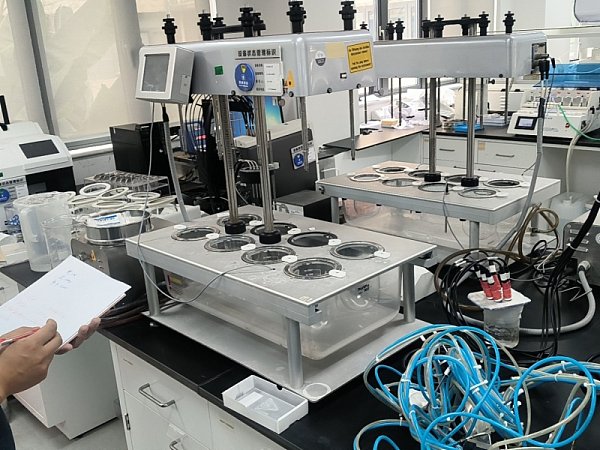
According to the provided event summary, business relocation services have been included in the national-level standards development scope for the first time. The plan identifies the formulation of technical specifications and compliance requirements for services including cross-border corporate relocation, laboratory equipment transfer, and the dismantling and installation of high-end manufacturing production lines.
The provided summary also states that this development offers overseas purchasers a verifiable quality benchmark when selecting Chinese service providers and may help reduce compliance risks in cooperation.
How the Standards Shift May Affect Market Participants
Direct trading companies
Direct trading companies may be affected because overseas customers often require clearer evidence of service quality, operational control, and regulatory alignment before appointing a relocation or technical service partner. The impact is likely to appear in customer qualification reviews, contract negotiations, service scope confirmation, and delivery acceptance.
From an industry perspective, these companies may need to pay closer attention to whether their service proposals can be mapped to emerging national-level technical specifications, especially when projects involve cross-border corporate moves or sensitive equipment handling.
Raw material procurement companies
Raw material procurement companies may not be the direct target of business relocation standards, but they can be affected when relocation projects involve storage, transfer, packaging, handling, or reinstallation of equipment connected to material supply operations. The influence may appear in supplier coordination, equipment readiness, inventory continuity, and documentation for procurement-related assets.
Analysis shows that procurement teams may need to review whether relocation service providers can support traceable handover records, equipment condition checks, and compliance documentation that help maintain continuity in purchasing and supply operations.
Processing and manufacturing enterprises
Processing and manufacturing enterprises are closely connected to this change because the plan covers high-end manufacturing production line dismantling and installation. Such projects usually involve equipment sequence control, technical documentation, on-site coordination, and acceptance after reinstallation.
What deserves closer attention is the potential need to align production line relocation plans with technical specifications, compliance requirements, and service acceptance criteria. Manufacturers may also need to review whether relocation providers can support documentation that is suitable for customer audits or tender requirements.
Supply chain service providers
Supply chain service providers may be affected through logistics coordination, project execution, compliance review, and service traceability. Business relocation is not only a transport activity; it can involve asset registration, equipment protection, installation coordination, and cross-border service communication.
Observably, service providers may face stronger expectations for standardized operating procedures, qualified personnel arrangements, risk-control records, and verifiable service outcomes. These requirements may influence supplier selection, subcontractor management, and after-service accountability.
Priority Checks for Companies Preparing for the Transition
Align service qualifications with compliance review needs
Companies involved in business relocation services should review whether their qualification materials, operating procedures, and project records can support customer compliance reviews. This is especially important for overseas purchasers that need an auditable basis for choosing Chinese service providers.
Prepare equipment and technical documentation before relocation
For laboratory equipment transfer and high-end manufacturing line dismantling and installation, enterprises should consider whether equipment lists, condition records, installation references, technical files, and handover documents are complete before project execution. These materials may become more important as technical specifications are developed.
Improve specification alignment in tenders and service proposals
When relocation services are included in bidding or procurement documents, buyers and service providers may need to align technical requirements, acceptance criteria, risk allocation, and compliance responsibilities more precisely. It is more appropriate to understand this as a move toward clearer specification alignment rather than a simple administrative change.
Strengthen supplier qualification and service traceability
Enterprises that outsource relocation, dismantling, installation, or cross-border coordination should consider updating supplier qualification checks. Areas worth monitoring include project experience, compliance records, documented procedures, quality traceability, and after-service responsibility.
Industry Reading: A Step Toward Verifiable Service Quality
Analysis shows that the inclusion of business relocation services in a national standards development framework may raise the importance of measurable service quality in transactions involving Chinese service providers. For overseas buyers, a clearer standard framework can make supplier comparison more transparent and reduce uncertainty in compliance assessment.
From an industry perspective, the more significant change may be in procurement behavior. Buyers may gradually place greater emphasis on documented operating methods, technical acceptance criteria, and compliance evidence, especially for projects involving laboratories, advanced equipment, or production line relocation.
What deserves closer attention is that standardization may also influence service providers' internal preparation cycles. Providers may need more complete project records, clearer risk controls, and stronger coordination between commercial teams and technical execution teams. However, the actual extent of impact will depend on later implementation details and how buyers incorporate the standards into contracts and tenders.
A Measured Conclusion for the Sector
The issuance of the Service Trade Standardization Action Plan for 2026 to 2030 marks a notable policy and standards-related development for business relocation services. By bringing this service category into a national standards framework, the plan gives overseas purchasers a clearer basis for evaluating service quality and compliance readiness.
A rational conclusion is that the event may encourage more structured service delivery and more transparent supplier evaluation, but companies should avoid assuming immediate uniform implementation. The practical impact will become clearer as detailed specifications, certification practices, tender language, and market feedback continue to develop.
Source Note and Items to Monitor
This article is based on the user-provided news title, event date, and event summary. Specific official source links were not provided in the input and should be verified continuously.
For this type of standards and policy development, relevant reference sources may typically include official government releases, standardization notices, certification guidance, procurement documents, and industry association updates. No specific source link is cited here because none was provided in the input.
Further observation is needed on detailed implementation rules, certification execution criteria, changes in tender documents, technical specification wording, buyer acceptance practices, and feedback from service providers and overseas purchasers.
 南京办公室搬迁后网络怎么快速恢复
 南京办公室搬家保险有必要买吗
 南京搬办公室需要买搬家保险吗?金融与科技类企业采购决策时如何评估风险覆盖必要性
 艺搬搬家南京能不能处理服务器搬迁中的断电风险
 南京搬家公司设备防护怎么判断是否达到精密仪器要求
 南京机房搬迁服务怎么选?看懂停机风险与实施能力
 精密设备搬迁如何避免损坏?关键环节与防护要求解析
 南京机房搬迁为何多选夜间窗口,停机风险怎么控
 精密仪器搬运看哪些参数,减震方案不是唯一标准
![]() 南京实验室搬迁全流程解析 | 艺搬商务搬家精密设备零误差迁移方案
南京实验室搬迁全流程解析 | 艺搬商务搬家精密设备零误差迁移方案 南京机房搬家怎么降风险:断电切换与数据备份顺序
 欧盟REACH新规8月起要求商务搬迁设备申报含物质
 半导体设备搬迁订单Q2增67%,中国服务商占比升至38%
 外高桥港试点高值商务资产绿色通道
 半导体设备搬迁订单增长折射合规服务竞争
 半导体设备搬迁升温,中国服务出口额Q2增67%
 高端制造搬迁升温:Q2中国订单同比增53%,半导体设备占比突出
 Q2中国半导体设备搬迁订单同比增53%
 东南亚办公设备搬迁保险门槛上调
 UL 62841-2-52更新提高IT设备搬迁振动测试阈值
 远东北欧航线调整配载规则,商务设备交付稳定性受关注
 南京传媒公司办公室搬迁案例_艺搬商务一站式企业搬迁服务
 南京家居公司整体搬迁案例_艺搬商务助力加多多家居零中断乔迁
 南京半导体公司整体搬迁案例_南京芯惠半导体搬迁服务_艺搬商务搬家
 南京传媒公司办公室搬迁案例_南京维仁传媒搬迁全程服务_艺搬商务搬家
 南京珠宝艺术品搬迁案例_龙音珠宝全程无损搬迁_艺搬商务搬家
 南京智能设备公司搬迁案例|佛山市道恩智能设备办公室搬迁服务
 南京律所办公室搬迁案例|律师事务所办公搬迁服务
 南京艺搬商务圆满完成江苏省农垦产业技术研究院实验室搬迁项目
 南京国企办公室搬迁案例|江苏凤凰资产办公搬迁服务
















留言
如果您对我们的产品感兴趣,并想了解更多细节,请在这里留言,我们将尽快回复您。
请给我们留言
联系我们
南京市雨花区花神庙10号
免费热线:400-880-5202
电子邮件:move@njyiban.com
商务合作:biz@njyiban.com
单位搬迁专属报价单
专注写字楼/产业园整体搬迁 · 一站式智能报价