企业级搬迁服务商
零中断・强保障・成功案例可鉴
20年专注商务搬家,服务超过1000+家企业,见证每一次完美迁移
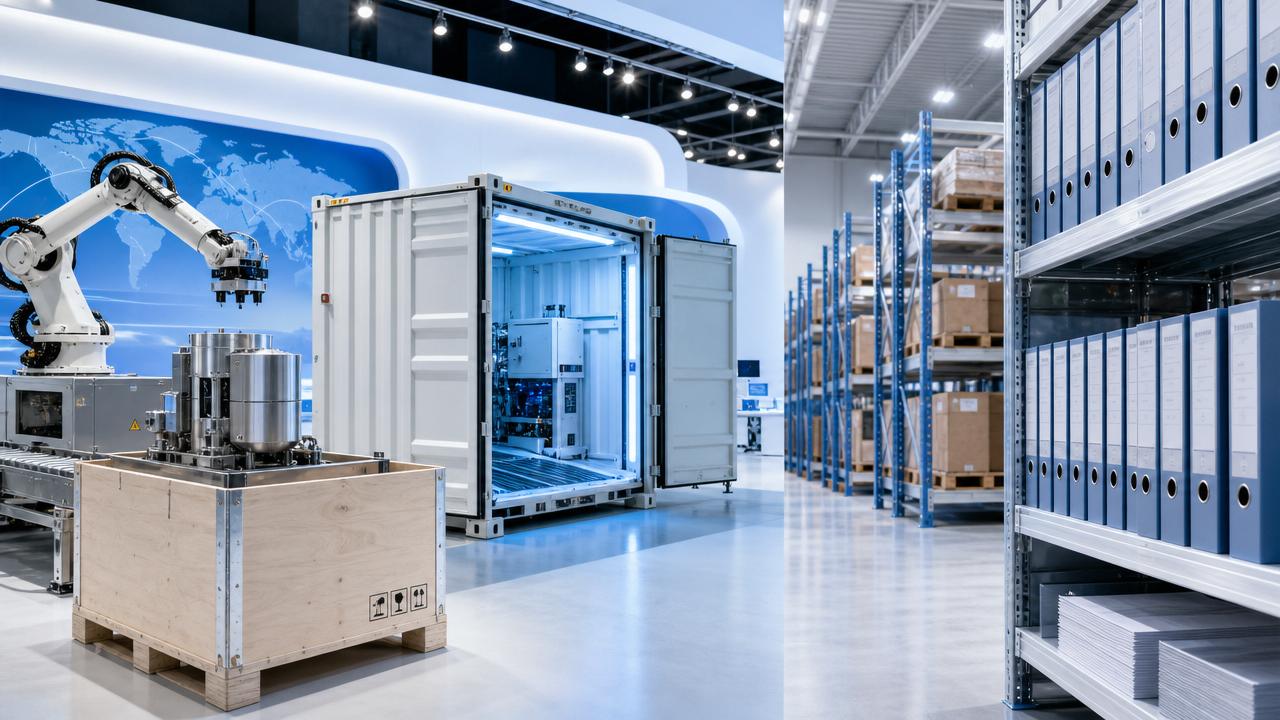
Image distribution plan: No image placeholders are included because the requested number of image placeholders is zero.
On June 2, 2026, the fourth Tianjin International Shipping Industry Expo is scheduled to open at the National Convention and Exhibition Center in Tianjin, with a new focus on cross-border business equipment logistics and intelligent relocation services. The event is relevant to international trade, equipment relocation, supply chain services, and compliance management because it presents practical tools linked to packaging automation, controlled-environment transport, and RCEP origin documentation.
Confirmed Event Details and Exhibition Scope
The event is scheduled to run from June 2 to June 5, 2026, at the National Convention and Exhibition Center in Tianjin.
According to the provided event summary, the expo will introduce a dedicated exhibition area for cross-border business equipment logistics and intelligent relocation services for the first time.
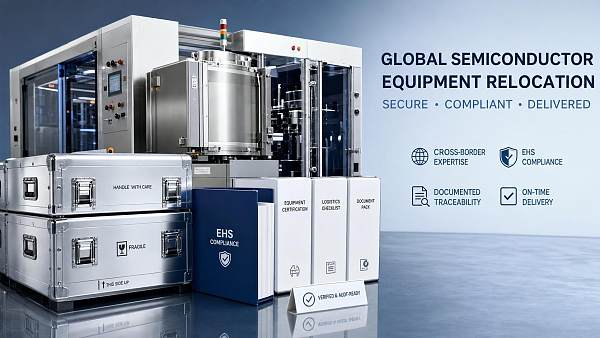
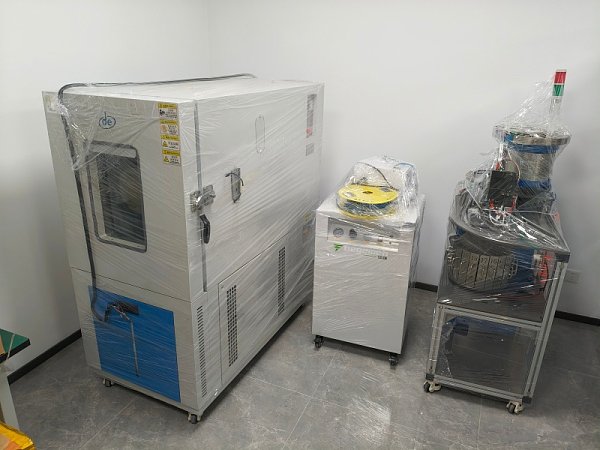
The exhibition area will bring together 32 service providers, including COSCO Shipping and Sinotrans, and will display practical solutions such as AI-based packing systems, constant-temperature and constant-humidity equipment transport solutions, and intelligent terminals for RCEP certificate-of-origin applications.
The stated purpose of the dedicated area is to provide overseas buyers with a more efficient channel to connect with high-quality relocation service resources from China through a one-stop format.
How the Event May Affect Market Participants
Direct trading companies
From an industry perspective, direct trading companies may be affected because cross-border movement of business equipment involves not only transport capacity but also origin documentation, customs-facing materials, and delivery coordination. The presence of RCEP origin application tools suggests that documentation efficiency and trade-rule alignment may become more visible in procurement discussions.
The business links most likely to be affected include supplier selection, export documentation preparation, equipment handover planning, and cross-border delivery scheduling. Companies may need to pay closer attention to whether logistics partners can support trade-document workflows and whether relocation service plans match contractual delivery obligations.
Raw material procurement companies
Analysis shows that procurement companies may view the event as relevant when equipment relocation is tied to upstream sourcing, replacement parts, or production materials. If machinery or business equipment must be transported under stable environmental conditions, procurement planning may need to consider packaging, storage, and controlled transport requirements earlier than before.
The affected business links may include purchasing schedules, supplier readiness checks, equipment acceptance conditions, and coordination between material supply and equipment arrival. Companies may need to watch whether service providers can document handling conditions and support traceability during relocation.
Processing and manufacturing enterprises
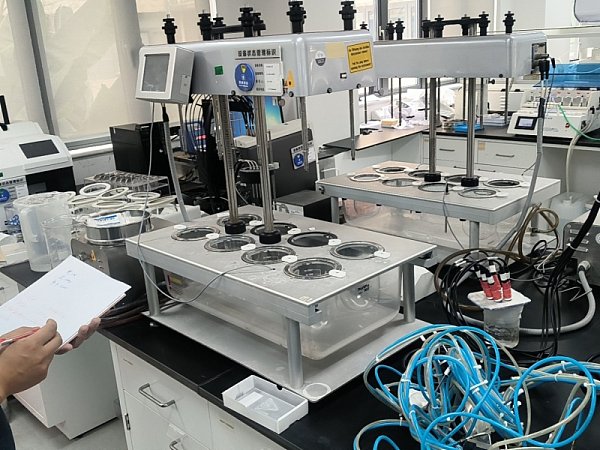
Manufacturing enterprises may be affected because production equipment relocation can influence commissioning, production continuity, and technical acceptance. The showcased AI packing systems and controlled-environment transport solutions are directly connected to the risk management of precision equipment, sensitive devices, or business assets requiring stable handling conditions.
The most relevant operational areas include equipment dismantling preparation, packing specifications, transport-condition confirmation, arrival inspection, and technical documentation. Manufacturers may need to review whether relocation partners can align with equipment specifications and whether transport plans support later quality verification.
Supply chain service providers
Supply chain service providers are directly connected to this event because the new exhibition area concentrates on cross-border equipment logistics, intelligent relocation, and trade-document tools. Observably, competition may shift from basic transportation capacity toward integrated service capability, including packing intelligence, environmental control, origin-document support, and buyer-facing coordination.
The affected links may include service design, partner qualification, digital tool deployment, documentation support, and cross-border project management. Providers may need to monitor buyer expectations for one-stop services and strengthen compliance-facing service descriptions without overstating capabilities.
Operational Points Companies Should Review
Check compliance support around RCEP origin materials
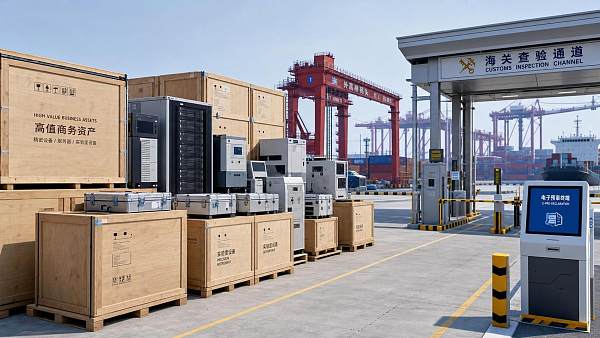
Companies planning to use relocation or equipment logistics services should examine how service providers support origin-related documentation. The event summary specifically mentions intelligent terminals for RCEP certificate-of-origin applications, making trade-document readiness a practical review point for buyers and exporters.
This does not mean that all transactions will qualify for RCEP treatment. It is more appropriate to understand this as a reminder that origin-document preparation, data accuracy, and filing workflows should be checked before shipment or procurement decisions are finalized.
Match packing methods with equipment sensitivity
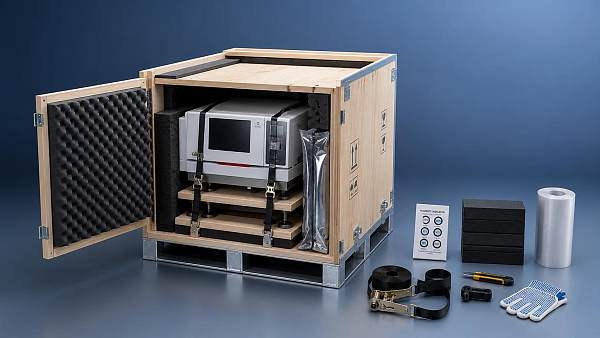
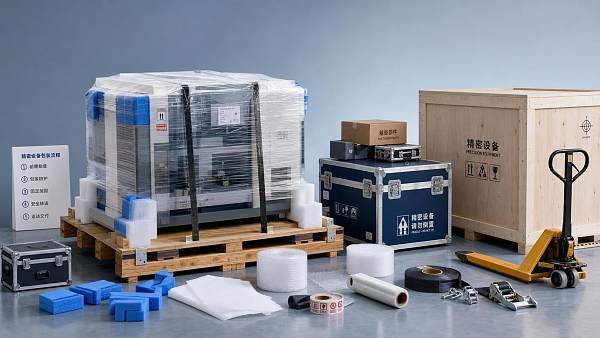
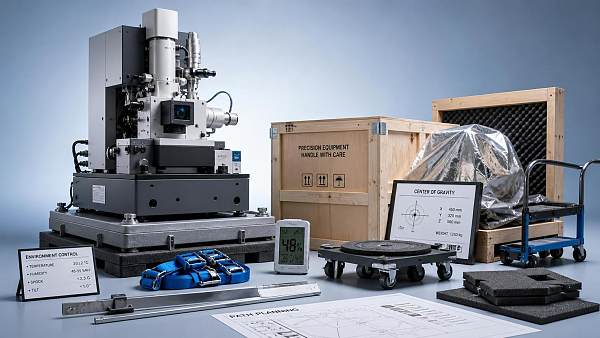
The display of AI-based packing systems indicates that packing is becoming a more visible part of cross-border relocation service evaluation. Companies should define equipment dimensions, fragility, handling limits, and inspection requirements before comparing service plans.
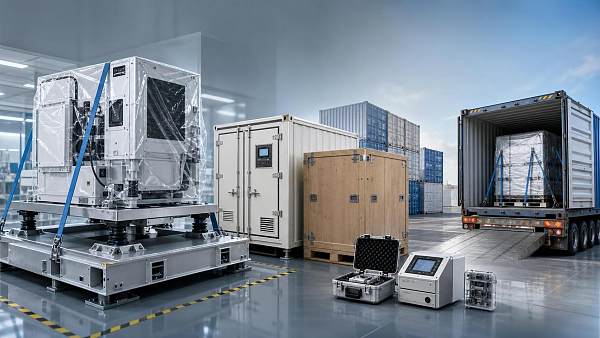
For equipment that may be sensitive to temperature or humidity, the constant-temperature and constant-humidity transport solutions mentioned in the event summary should be assessed against actual operating and storage requirements. Buyers should request clear descriptions of transport conditions, monitoring methods, and handover records where applicable.
Align service specifications before procurement or tendering
Overseas buyers using the exhibition area as a one-stop access channel should prepare technical specifications in advance. Relevant materials may include equipment lists, packing requirements, relocation scope, destination-side handover needs, and required documents for trade or customs-facing procedures.
From a procurement-management perspective, early specification alignment can reduce ambiguity in quotations and make it easier to compare service providers. However, companies should avoid assuming that exhibition displays alone are equivalent to full contractual capability verification.
Review provider qualifications and traceability expectations
Because the dedicated area gathers multiple service providers, enterprise buyers should compare provider capabilities beyond brand visibility. Key review areas may include documented operating procedures, equipment-handling experience, environmental-control arrangements, document workflow support, and quality traceability records.
Where after-sales coordination or relocation damage responsibility is important, buyers should ensure that service boundaries, inspection points, and record-retention requirements are clearly reflected in service agreements.
Industry Observation: Trade Rules and Logistics Services Are Converging
Analysis shows that the event can be read as a sign that equipment relocation services are moving closer to trade compliance workflows. The combination of AI packing, controlled-environment transport, and RCEP origin application tools suggests that buyers may increasingly evaluate logistics providers through both operational and documentation capabilities.
From an industry perspective, what deserves closer attention is the possible rise of integrated procurement expectations. Overseas buyers may prefer providers that can connect equipment protection, shipment coordination, origin documentation, and delivery planning in a single service process.
It is more appropriate to understand this development as an industry-service upgrade rather than as a confirmed regulatory change. The provided information does not indicate any new mandatory rule, certification requirement, or official policy adjustment. The compliance relevance lies in how enterprises may organize trade-rule documentation and relocation service evaluation around practical tools shown at the expo.
Measured Conclusion for Industry Participants
The new dedicated area at the fourth Tianjin International Shipping Industry Expo highlights the growing importance of specialized cross-border equipment logistics and intelligent relocation services. For companies engaged in trade, procurement, manufacturing, and supply chain services, the event provides a focused setting to examine service capability, documentation support, and equipment-protection methods.
A rational conclusion is that the expo may help market participants better understand available service resources and practical tools, especially where RCEP origin documentation and controlled transport are relevant. However, actual business impact will depend on later procurement requirements, contract terms, compliance review, and user feedback.
Information Basis and Follow-Up Items
This article is generated based on the provided news title, event date, and event summary. Specific official source links were not provided in the input and should be verified continuously.
For this type of event, relevant source types may normally include event organizer announcements, venue notices, exhibitor materials, trade-compliance guidance, and procurement documentation released by participating companies. No specific source link is cited here because none was included in the input.
Issues requiring continued observation include detailed service specifications, certification or compliance review practices, RCEP documentation workflows, tender-document changes, buyer feedback, and whether the exhibition area leads to more standardized cross-border equipment relocation requirements.
 南京办公室搬迁后网络怎么快速恢复
 南京办公室搬家保险有必要买吗
 南京搬办公室需要买搬家保险吗?金融与科技类企业采购决策时如何评估风险覆盖必要性
 艺搬搬家南京能不能处理服务器搬迁中的断电风险
 南京搬家公司设备防护怎么判断是否达到精密仪器要求
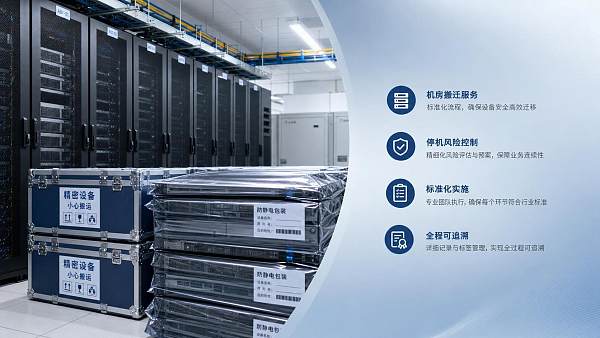
 南京机房搬迁服务怎么选?看懂停机风险与实施能力
 精密设备搬迁如何避免损坏?关键环节与防护要求解析
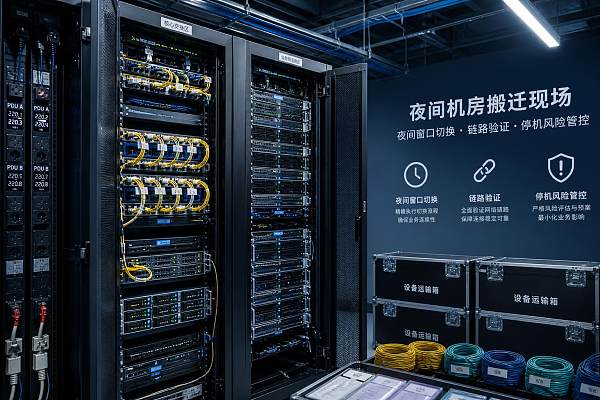
 南京机房搬迁为何多选夜间窗口,停机风险怎么控
 精密仪器搬运看哪些参数,减震方案不是唯一标准
![]() 南京实验室搬迁全流程解析 | 艺搬商务搬家精密设备零误差迁移方案
南京实验室搬迁全流程解析 | 艺搬商务搬家精密设备零误差迁移方案 南京机房搬家怎么降风险:断电切换与数据备份顺序
 欧盟REACH新规8月起要求商务搬迁设备申报含物质
 半导体设备搬迁订单Q2增67%,中国服务商占比升至38%
 外高桥港试点高值商务资产绿色通道
 半导体设备搬迁订单增长折射合规服务竞争
 半导体设备搬迁升温,中国服务出口额Q2增67%
 高端制造搬迁升温:Q2中国订单同比增53%,半导体设备占比突出
 Q2中国半导体设备搬迁订单同比增53%
 东南亚办公设备搬迁保险门槛上调
 UL 62841-2-52更新提高IT设备搬迁振动测试阈值
 远东北欧航线调整配载规则,商务设备交付稳定性受关注
 南京传媒公司办公室搬迁案例_艺搬商务一站式企业搬迁服务
 南京家居公司整体搬迁案例_艺搬商务助力加多多家居零中断乔迁
 南京半导体公司整体搬迁案例_南京芯惠半导体搬迁服务_艺搬商务搬家
 南京传媒公司办公室搬迁案例_南京维仁传媒搬迁全程服务_艺搬商务搬家
 南京珠宝艺术品搬迁案例_龙音珠宝全程无损搬迁_艺搬商务搬家
 南京智能设备公司搬迁案例|佛山市道恩智能设备办公室搬迁服务
 南京律所办公室搬迁案例|律师事务所办公搬迁服务
 南京艺搬商务圆满完成江苏省农垦产业技术研究院实验室搬迁项目
 南京国企办公室搬迁案例|江苏凤凰资产办公搬迁服务








留言
如果您对我们的产品感兴趣,并想了解更多细节,请在这里留言,我们将尽快回复您。
请给我们留言
联系我们
南京市雨花区花神庙10号
免费热线:400-880-5202
电子邮件:move@njyiban.com
商务合作:biz@njyiban.com
单位搬迁专属报价单
专注写字楼/产业园整体搬迁 · 一站式智能报价